When you choose the right brake fluid to use in your car, you are certain of good braking and security. To make the correct decision concerning your vehicle, it is important to understand the difference of DOT 3, DOT 4, DOT 5 and DOT 5.1.
The composition, boiling points, and compatibility of the brake fluid differ greatly and have a direct impact on the reliability of your brakes when you are subjected to ordinary or extreme driving conditions. Choosing the incorrect one may result in lower braking power, corrosion of parts or even hazardous lock up of vapor in case of heavy usage. This detailed guide to brake fluid selection deals with all the information vehicle owners, amateurs and professional mechanics, fleet administrators, and service professionals need to know in order to make the right choices in favor of safety and performance.
What is Brake Fluid and Why is it Important?
The hydraulic medium used in the braking system of your vehicle is brake fluid. Pedaling the brake pedal is passed on via the master cylinder, brake lines and calipers (drum systems have wheel cylinders) pushing the brake pads or brake shoes against the rotors or drums to reduce or halt the vehicle.
This non-compression fluid provides accurate instantaneous reaction- any air or any vapor in the mechanism may result in a spongy pedal or a total loss in the brake power. Right brake fluid has a steady performance under different temperature limits, it does not boil out in cases of frequently stopped cars and they keep the metal and rubber parts under corrosion and wear.
When the right type of brake fluid is used, it will save on costly components such as calipers, ABS modules and master cylinders. The substandard or inappropriate fluid, over time, may cause internal forces, additional repairs, as well as the loss of safety, particularly during hot weather, towing, or performance driving.
Types of Brake Fluid: DOT 3, DOT 4, DOT 5, DOT 5.1
The various classes of brake fluid are ruled by their chemical composition, boiling point and their compatibility with the car systems.
These classes are governed by requirements of the U.S. Department of transportation (FMVSS 116), such as minimum dry and wet boiling points (dry in fresh fluid, wet in fluid after absorption of moisture), viscosity and other performance criteria.
DOT 3 Brake Fluid
The most popular and economical fluid used due to most of the standard vehicles is DOT 3, a glycol-ether-engine based fluid. It satisfies minimum dry boiling point of 205 o C (401 o F) and wet boiling point of 140 o C (284 o F).
It is common with the older automobiles, light trucks and normal passenger cars. DOT 3 is good in normal driving, however it is hygroscopic (absorbs water with time) which reduces this boiling point and makes it more likely to corrode.
DOT 4 Brake Fluid
DOT 4 is an enhanced version of DOT 3 with the addition of borate esters to the glycol-ether base that is more heat resistant. It has minimum boiling point of 230 C (446 F) dry and 155 C (311 F) wet.
This contributes to the fact that DOT 4 is applicable to modern vehicles, those that have ABS, light-trucks, and moderate performance uses. It can deal with a lot more heat caused by spirited driving or hilly roads, but is otherwise compatible completely with DOT 3 systems.
DOT 5 Brake Fluid
DOT 5 is non-hygroscopic silicone based, it does not absorb air moisture. It provides a high dry boiling point of 260 0 C (500 0 F) and wet boiling orthodox of 180 C (356 F).
This kind is best used with classic cars, motorcycles, cars in the hottest climates, or those that are stored a long time since it is corrosive resistance and it does not ruin the painting. It is however, not compatible with glycol-based fluids (DOT 3, 4 or 5.1), may be a little spongier since it is more compressible, and is not advised to use in vehicles with ABS because they may experience aeration.
DOT 5.1 Brake Fluid
The minimum dry boiling point of Data is 260C (500F) and wet boiling point of 180C (356F). It is a glycol based, high performance, non-silicone based fluid. It is highly requirements of low-temperature viscosity and best suited to the requirements of ABS and stability control currently.
Typically used in heavy-duty trucks, performance automobiles or racing use, DOT 5.1 is better in fade resistance although is compatible and can be mixed with DOT 3 as well as DOT 4.
The following table is a valid comparison:
| Brake Fluid Type | Composition | Dry Boiling Point (min) | Wet Boiling Point (min) | Best For |
| DOT 3 | Glycol-based | 205°C (401°F) | 140°C (284°F) | Standard vehicles, older cars |
| DOT 4 | Glycol/borate-based | 230°C (446°F) | 155°C (311°F) | Newer vehicles, light trucks, ABS |
| DOT 5 | Silicone-based | 260°C (500°F) | 180°C (356°F) | Classic cars, motorcycles, hot climates |
| DOT 5.1 | Glycol-based | 260°C (500°F) | 180°C (356°F) | Heavy-duty, performance, modern ABS |
Look in your car handbook, most of them note either DOT 3, 4, 5.1, combining these two different types is never acceptable and can lead to a failure in the system.
For a full range of reliable brake fluid types, make sure that you check manufacturer recommendations to find the type that best fits your requirements.
How to Choose the Right Brake Fluid for Your Vehicle

The right brake fluid is a matter that is determined by the needs during driving, the driving style and the weather conditions of your vehicle.
Start with the owner manual or reservoir top-it is normally indicated with the necessary DOT rating. The majority of passenger automobiles and light trucks today require the use of DOT 4 or 5.1 to be more heat resistant and use ABS.
Key Factors in Brake Fluid Selection
- Vehicle Type Everyday sedans typically utilize either DOT 3 or DOT 4; performance cars, towing SUVs or heavy-duty applications utilize DOT 4 or DOT 5.1.
- Driving Conditions – Mountain driving, frequent stop and go driving, or hot weather require higher boiling points(DOT 4 or higher) to avoid vapor locking.
- Climate — Humid environments increase the rate of moisture uptake in glycol fluids hence such considerations of change periods; dry or hot environments may recommend DOT 5 under low maintenance.
- Manufacturer Instructions What is the specified type, never downgrade to something less (e.g. DOT 3 to DOT 4) this is usually safe provided it is compatible.
Filling the appropriate brake fluid helps to avoid such problems as mushy pedals or accelerated consumption. In case of any doubt, consult a reputed mechanic or service station.
Common Brake Fluid Issues and How to Address Them
Brake fluid issues may affect the vehicle braking performance hence one should be able to identify common brake fluid problems early enough.
The commonest consequence is absorption of moisture in the hygroscopic fluids (DOT 3, 4, 5.1), that reduces the boiling point and encourages corrosion. Performance is also compromised by contamination of dirt, rubber particles or poor mixing.
Signs of Trouble
- Spongey or sinking brake pedal.
- Longer stopping distances
- Dark, turbid or low fluid in the reservoir.
- Corrosion on the fittings or calipers that is observable.
Practical Tips
Monthly check levels- fluid is important to clear to light amber. Check moisture incidence where possible (Lots of shops use refractometers). Changing every 2-3 years or 30,000-45,000 miles (or earlier in wet climates or high-usage conditions). Learn more about how often you should change brake fluid and the signs it’s time to replace it.
To empty, empty system completely with the farthest caliper. Fresh fluid with the proper specification should be used, and no air should be introduced. The braking system is maintained on a regular basis to ensure that it is reliable and safe.
Performance Benefits of High-Quality Brake Fluid

High-quality brake fluid provides uniform braking and extends the life of the system. This is exactly why brake fluid quality matters for both safety and long-term performance.
High-quality fluids are of better than minimum DOT specifications in having higher actual boiling point, greater resistance to moisture, and improved corrosion inhibitors. This is equated to better entry and exit, less fades with repeated hard deceleration and longer durability of components.
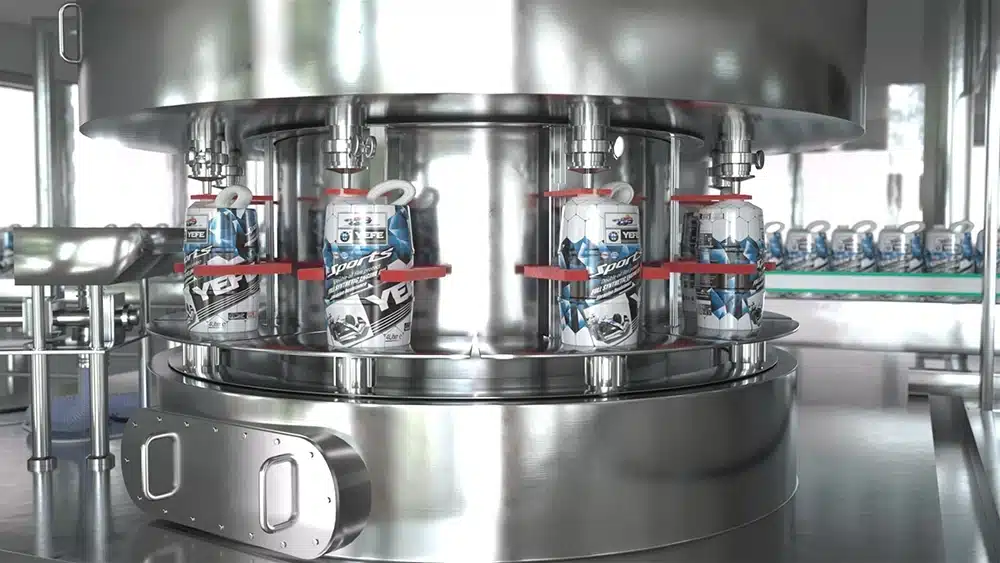
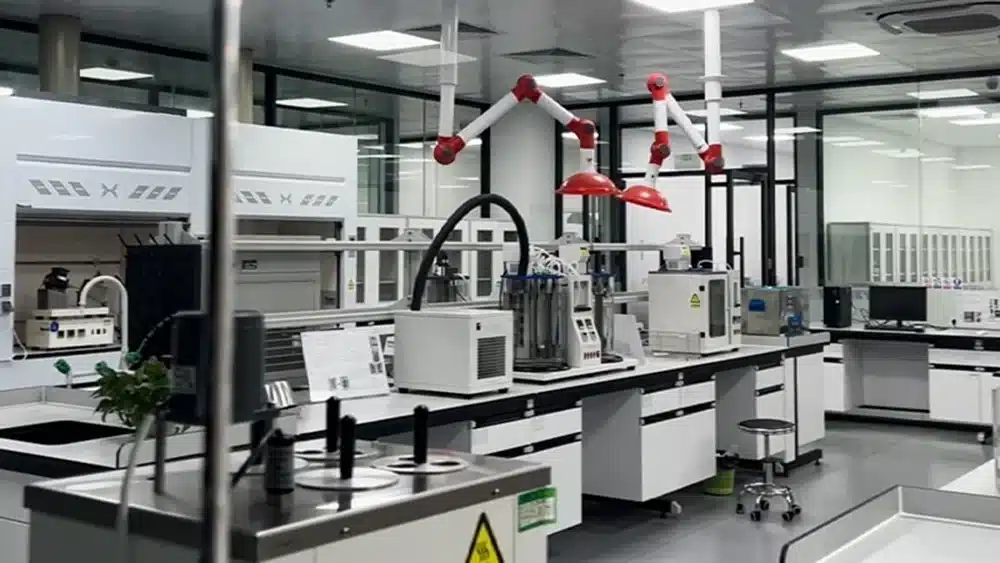
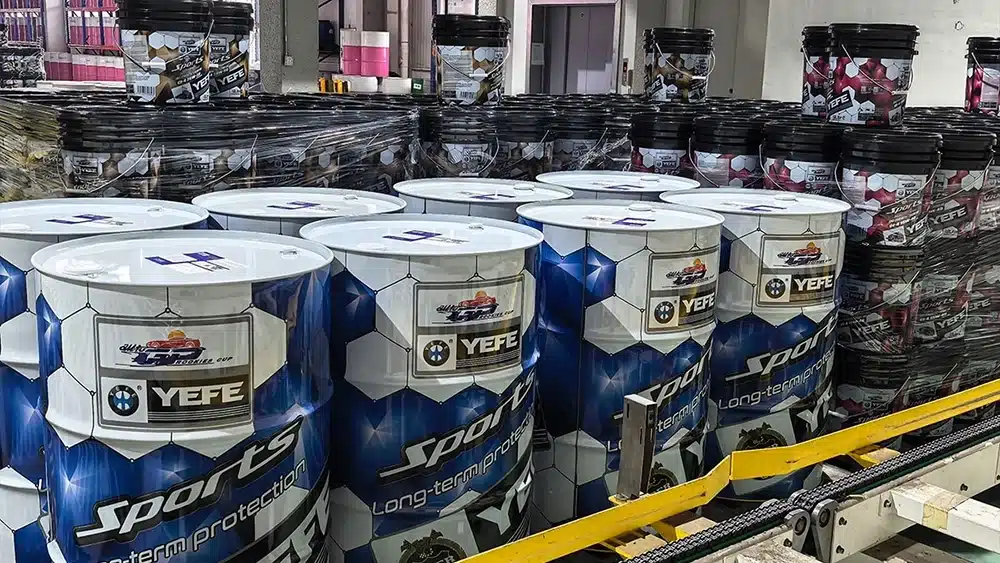
The high-quality options will last longer during degradation compared to the basic standard fluids, particularly where it is used in harsh conditions such as towing or when used on the track. YEFE specializes in formulating premium high-quality brake fluid that exceeds minimum DOT specifications for distributors and brands worldwide. To the fleet managers or enthusiasts, it saves on time and repair expenses and improves on the general safety level; by investing in a better brake fluid.
Conclusion: Choosing the Right Brake Fluid is Essential for Safety
The choice of brake fluid is an important choice that would determine the safety of the vehicle or better braking action. Only a daily driver, a classic motorcycle or a heavy-duty fleet vehicle. Either way, you are to adhere to manufacturer instructions and take into account your personal circumstances when selecting either DOT 3, DOT 4, DOT 5, or DOT 5.1.
The right brake fluid type should be a priority and will save you both money and unwarranted breakdowns and will provide you with confidence at the wheel. Partnering with a reliable brake fluid manufacturer ensures you get consistent quality and full OEM/private-label support. Checks and timely replacement will make your braking system at its best efficiency- since there should be no compromise in how much power you have in performing your stops.