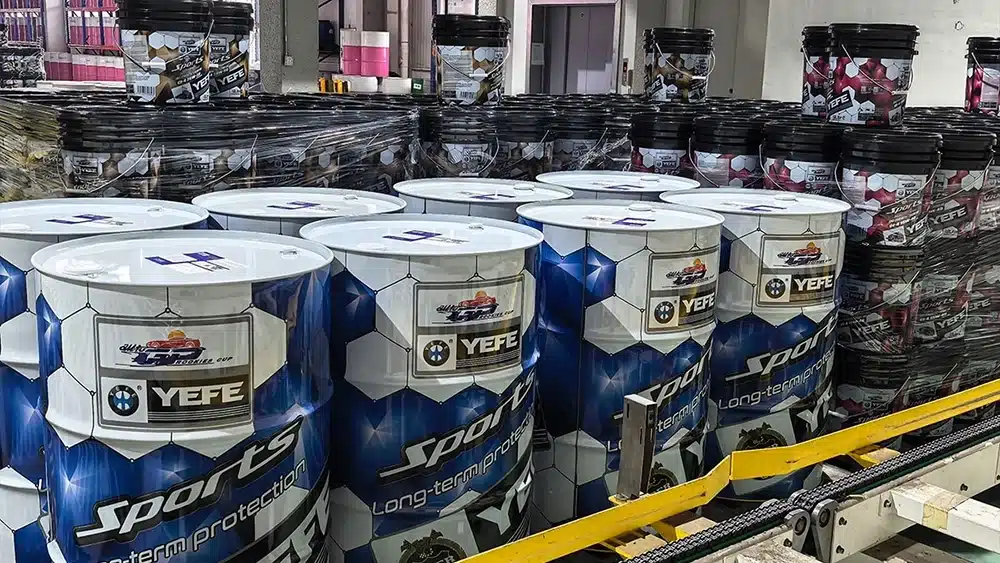
In theory, a motorcycle engine can be lubricated with automotive engine oil, in the short term, giving it simple protection to bearings, pistons, and so on. It is however, not intended in wet clutch systems and the combined lubrication requirements of engine, gearbox, and clutch of most motorcycles. Starts to slip clutches, gives non-uniform gear shifts, and causes gears and clutch plates to wear out more quickly after long-term use.
The biggest mistake is that many riders believe that the two are all the same since both are engine oils with the same or similar viscosity grade; however, motorcycle engines have been found to work under varied mechanical stress and lubrication needs. In a motorcycle, automotive oil can still not lead to catastrophic failure; however, it can impair the functioning of clutch, smoothness of shifting, and the longevity in the long run.
Why Motorcycle Engines Are Mechanically Different from Car Engines
The motorcycle engine has unique conditions of operation, which require a special type of lubrication unlike the normal automotive engine.
Motor cycle engines tend to operate in significantly faster RPMs over a long duration of time, particularly in acceleration or highway mode. This puts more heat and mechanical stress per unit of oil volume. The oil sumps in most motorcycles are much smaller – normally 2-4 liters in comparison to 5-8 liters in cars – so that the oil circulates much more often, and undergoes an increased thermal load. More importantly, in most motorcycles the same oil is used in the engine, transmission (gearbox) and the clutch and this imposes a shared system in which oil characteristics need to compromise a variety of functions at once.
These variations cause an increase in shear stress on the oil film because gears turn at a high rate and the clutch plates move under load in the presence of oil.
| Feature | Motorcycle Engine | Car Engine |
| RPM range | Higher (often 8,000–14,000+) | Lower (typically 2,000–6,000) |
| Oil volume | Smaller (2–4 liters typical) | Larger (4–8 liters typical) |
| Oil usage | Engine + gearbox + clutch | Engine only |
| Shear stress | High | Moderate |
Because of these demands, motorcycles require motorcycle oil which is specially designed to deal with the friction of the clutch and the transmission shear stress, and be stable under severe conditions.
The Wet Clutch Factor: The Critical Difference
The one largest cause of the automotive engine oil generally not being suitable when applied to the motorcycles is due to the wet clutch system on most of them.
One that is wet works completely in the engine oil, where the friction between the plates is controlled such that power moves directly through the engine to the transmission with no discontinuity. Contrary to dry clutches (fitted in some cars or most older/specialist motorcycles), wet clutches rely on the frictional properties of oil in order to stop slipping on engagement and permit the clean disengagement.
When produced today, most automotive engine oils include friction modifiers additives such as molybdenum compounds or organic esters that work to produce less internal drag in the engine to achieve greater fuel economy and lower emissions. These are used to render the oil slipperier and that is good in a car where the transmission makes use of separate fluid but a nightmare in a motorcycle wet clutch. The lower friction coefficient means that the clutch slips when loaded which results in low power transfer, overheating by the plates and subsequent glazing or permanent destruction.
The oils used on motorcycles on the contrary have as controlled (or minimal) friction modifiers to retain the increased friction required to ensure dependable clutch operation. They are normally compatible with JASO MA or JASO MA2, the standards that specifically test the wet compatibility of the clutch.
| Characteristic | Motorcycle Oil | Automotive Oil |
| Wet clutch compatibility | Yes | No |
| Friction modifiers | Controlled / Minimal | Common (for fuel economy) |
| Fuel economy focus | Moderate | High |
What Happens If You Use Car Oil in a Motorcycle?

Application in a motorbike With a wet clutch, application of automotive engine oil could lead to visible effects after a short time but the degree would vary based on the type of riding, load, and run time.
- Light load with short use – one fill or emergency fill-up may result in only slight feebleness on clutch or slight hesitation on a shift, particularly when the bike is being ridden in a gentle manner.
- Greater clutch slip – During acceleration or at elevated RPM, the clutch can slip, so that there is a decreased delivery of power to the rear wheel resulting in the feeling that there is no acceleration.
- Wrecky or jerky shifting – Gears might seem roughly or stiffer than usual, more effort is needed to shift; the oil no longer offers optimum lubrication to the transmission parts.
- Stress-thinning of oils – The shear stress to motorcycle engines is greater; automotive oils can tend to shear the viscosity more easily resulting in lower film strength.
- Accelerated wear – During long distances (hundreds or thousands of miles), the contact movement between the components of the clutch plate causes glazing, bearers wear out prematurely, the entire object becomes shorter-lived due to insufficient protection.
These problems are more evident in top speed or heavily loaded motor cycles.
Are There Any Exceptions?
In some of the minor instances, car engine oil may be utilized in a temporary or even long-term basis with no significant problems.
There are motor cycles with dry clutches (not connected to engine oil), including some older BMW models, some models of Ducati, or even some classics like some Moto Guzzi models. In such bikes the clutch does not come into contact with the engine oil and hence no serious threat to the clutch performance is presented by the automotive formulations.
There are some emergency cases (like being stuck in the middle of nowhere without a motorcycle-only oil supplier) which might warrant short term use of corresponding viscosity automotive oil, but again, the ride has to be mild and the use of the appropriate oil taken as soon as possible.
A single change of oil during low stress commuting may not harm the system immediately, but it is always prudent to go back to the specified one as soon as possible before the system degenerates due to continuous usage.
Why Viscosity Alone Does Not Make It Compatible
The matching of the viscosity grade (e.g. 10W-40 automotive oil in a bike that required 10W-40) does not mean that it is compatible.
Viscosity is used to describe the flow behavior at the various temperatures, however, it tells nothing about the additive package, shear stability, or the frictional characteristics. Automotive oils are generally more fuel economy inclined (e.g. reduced phosphorus in catalytic converters), whereas motorcycle oils are more clutch friction, gear protection and high shear breakdown resistance.
The real world performance can vary tremendously even with the same SAE viscosity rating when there are differences in base stocks, viscosity index improvers, or the friction behavior in its implementation.
| Factor | Same Viscosity? | Same Performance? |
| 10W-40 rating | Yes | Not necessarily |
| Additive package | Different | Affects clutch friction |
| Shear stability | Varies | Impacts gear wear |
How to Choose the Correct Oil for Your Motorcycle
The owner manual is the first place to always begin, it will give the required level of viscosity, API service rating (where necessary), and most importantly, the JASO MA or MA2 certification of the wet-clutch compatibility.
Repotential Oils Oils marked specifically as motorcycle engine oil with JASO MA/MA2 designations; these are despensable to correct friction properties. Take into account your type of clutch (wet, dry), conditions of normal operation (high RPM, air-cooled versus liquid-cooled) and climate.
One should not make assumptions and make a substitution based on either viscosity or familiarity with the brand name. In case of uncertainty, choose a passionate motorcycle formula in order to ensure a well-run working process, stable restructuring, and durability of its components.
Conclusion — Similar Appearance Does Not Mean Interchangeability

There are aspects in which automotive engine oil and motorcycle oil might appear similar in the bottle but which are formulated with entirely different mechanical realities. The common sump lubrication of most motorcycles, especially those that need the wet clutch, necessitates oils with the exact frictional characteristics that are absent in normal car oils because of their fuel-economic additives.
Where a short term substitution may appear to be innocent in the short run, there are long term results where performance of the motorbikes, changing quality, and life span relies on the oil that is specialized in the engine of motor cycles and the gear. The most sure way of safeguarding your investment and riding experience is to check specifications and pick the appropriate product.