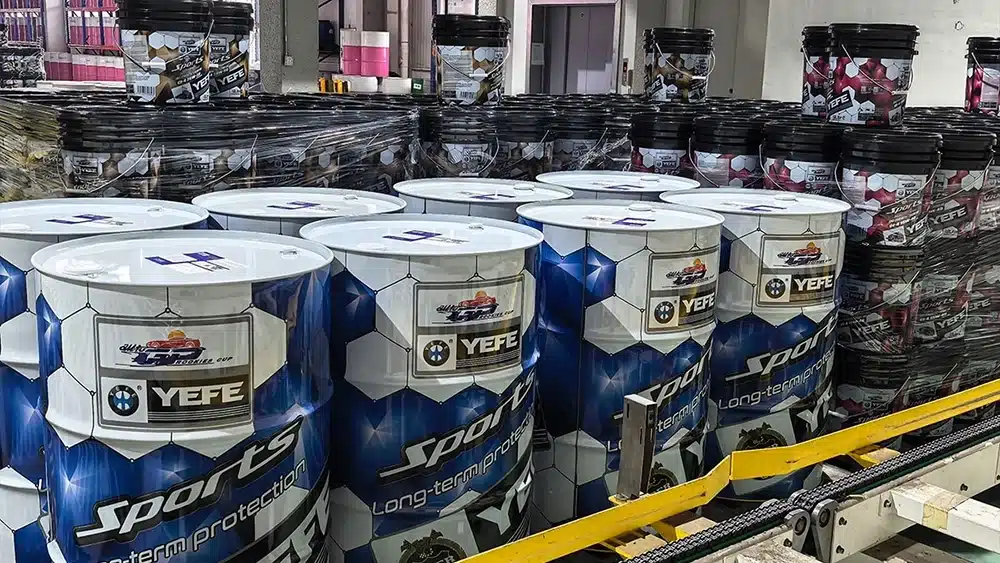
Most of the popular myths about oil in motorcycles are founded on incomplete knowledge or old fashioned suggestions and wrong assumptions will result in poor lubricant decisions. Not everything that is frequently posted about the motorcycle oil is technical. The choice of oil has to correspond with engine design and performance. A lot of riders are using anecdotal information as opposed to the mechanical reasoning to have their choice of oil. When it comes to believing common oil myths, it may cost an unwarranted outlay, decrease the performance, and mechanical wear over time.
Riders seeking clarity should rely on professional motorcycle oil products that meet engine and clutch requirements rather than assumptions.
Myth 1: Thicker Oil Always Protects Better

Thicker oil is not necessarily associated with better protection, on the contrary, it may cause problems when it becomes bigger than the design of the engine.
Viscosity should be according to the tolerances of the engine. The manufacturer defines the different grades (10W-40 or 20W-50) depending on the clearances, capacity of the pumps, and the operating temperatures. Excessive oil makes it difficult to get the oil flowing in cold starts and the additional lubrication takes longer time to reach major parts of the engine such as camshafts, bearings, and piston rings. This adds wear during start up when most damage of the engine takes place.
Undesirably heavy oil will also cause the drag of a clutch induction in wet-clutch systems, so the shifts will be notchy, or may not fully disengage. The fuel efficiency is also affected as the engine labor more to pump and circulate the heavier fluid.
Although viscosity is a strength factor in preserving the strength of the film at a high temperature, proper protection at high temperatures will rely not on the viscosity being high but within the proper range of viscosity.
| Belief | Technical Reality |
| Higher viscosity = stronger protection | Protection depends on correct viscosity range |
| Thicker oil prevents overheating | Cooling depends on circulation and system design |
Myth 2: Synthetic Oil Eliminates Engine Wear
Synthetic oil makes wear reduction much greater, yet it is not zero – the laws of mechanics must still be obeyed.
Synthetic base stocks are more technologically advanced in thermal and viscosity stability, being able to resist destruction when subjected to high temperatures and shear pressures (usually all engines have oils in common with the gearboxes and clutches). They do not change their viscosity as much through high and low temperature levels and offer higher film strength at high RPM operation.
Nevertheless, the wear is still affected by the maintenance schedule, the riding conditions, and mechanical factors. Even the finest oil film is strained by extreme loads due to aggressive acceleration, heavy loads or high-rev workload. Synthetic formulations lessen, although do not eliminate mechanical friction between metal surfaces. Boundary lubrication (where there is direct contact of only a moment) cannot be avoided where there is contact between the valve train.
The changes in the filters and the observing of the proper intervals are still necessary; synthetic oil cannot be used forever.
| Claim | Reality |
| Synthetic oil stops wear | Reduces but does not eliminate wear |
| Synthetic allows unlimited intervals | Still requires proper change schedule |
Myth 3: Car Engine Oil Works Just as Well
The car engine oil is not compatible with most of the motor cycles because there is a fundamental difference in the formulation and usage.
The wet clutch system is common in today-day motorcycles, with the plates of the clutch system fully submerged in engine oils and also the transmission oils. Motorcycle oils comply with JASO MA or MA2 standards of friction characteristics therefore offer consistency in the clutch engagement in use without slipping.
Friction modifiers are commonly added to automotive oils to enhance fuel economy by lowering internal drag, such modifiers cause the clutches to slip resulting in poor performance and overheating of the clutch plates and speedy wear. Gears and chains have more shear on the motorcycle engines, too, and better shear stability is needed.
The designs of shared sump in that the oil is stressed due to the engine combustion, gear meshing, and the operation of the clutch- automotive formulations focus on engine only protection and fuel economy.
| Feature | Motorcycle Oil | Automotive Oil |
| Wet clutch compatibility | Yes | Often no |
| Shear stability | High | Moderate |
| Friction control | Balanced | Fuel economy focused |
Myth 4: Oil Only Needs to Be Changed Once a Year

Oil changing purely because it has been allowed to degrade because of time may even result in low-mileage- longer intervals should be made according to time and usage.
Acid and sludge are formed as oil oxidizes with aging irrespective of the mileage. Condensed moisture (usually in short trips or wet climates) gathers up and emulsifies, which lowers the effectiveness of lubrication. An increase in temperature of operation increases decomposition of additives and base stocks.
Riding of short-trip does not allow complete warm-up and the dissolved fuel and contaminants are in suspension. In hot climates or stop and go conditions, thermal stress adds to such problems.
Manufacturers usually suggest modifications owing to the interval of lowering before either mileage or time achieve (such as every 6, 000 miles or 12 months). Riders with low mileage are also expected to change once yearly to avoid corrosion and depletion of the additives because of moisture.
- Bases oil and additives are degraded during months even when not in use.
- Condensation causes moisture contamination which causes rust and poor lubrication.
- Short trip riding becomes more spread out and dilution of fuels and the burning of contaminants are incomplete.
- In hot environments or abusive use, the high-temperature degradation is accelerated.
Myth 5: All Oils with the Same Viscosity Perform the Same
The difference in real-life performance of oils of the same viscosity grade can be marked because of formulation differences.
The viscosity (e.g. 10W-40) is related to flow properties, nevertheless, it is additive packages to define shear stability, friction modifiers, detergency and anti-wear protection. Thermal resistance and longevity are influenced by base stocks (mineral, synthetic, or blends).
A 10W-40 may tear away easily when under gears as its viscosity and protection disappear whereas one at better VI improvers continues to grade. Coefficient of friction is different which affects clutch feel and efficiency. Both motorcycle requirements are balanced due to complying with such standards as JASO MA2 or API SN.
| Same Viscosity | Same Performance? |
| 10W-40 | Not necessarily |
| 20W-50 | Depends on formulation |
Why Oil Selection Requires Mechanical Understanding

The selection of the oil does not fit in all exaggerated cases, that is, productive lubrication requires attention to the engine structure, used conditions, and patterns of use.
Design of the engine differs: the engines that are air-cooled experience higher temperature and potentially different viscosity performance than those that are liquid-cooled. Wet-clutch should have certain profiles to ensure no slipping or drag. Climate determines the flow of startups and thermal stability, colder climates are more suited to low cold cranking viscosities whereas hotter climates require intense high-temperature shielding.
Style of riding is also important: extreme shear and heat are created by using the track aggressively whereas commuting is characterized by a lot of short journeys and moisture accumulation. Oil matching to these factors averts the occurrence of problems such as insufficient strength of films, undue drag or rapid degradation.
Conclusion — Correct Knowledge Prevents Costly Mistakes
The oil myths with motorcycles tend to emerge due to incomplete bits of truth. Knowledge in viscosity behavior, compatibility of clutches and formulation differences will enable riders to make decisions that are well informed in protecting engine performance and long term reliability.
Using mechanical reasoning instead of folklore will make the variable of wear and poor shifting less likely, or even the contingency of unexpected repairs. Lubrication choices cannot be made without technical awareness – consistent operation in diverse conditions demands balanced evidence-based decisions.