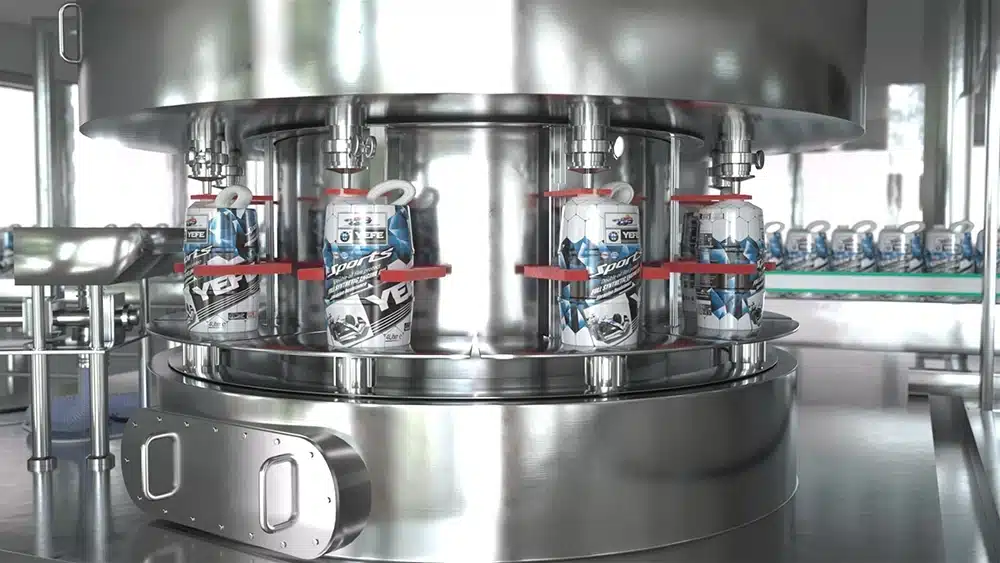
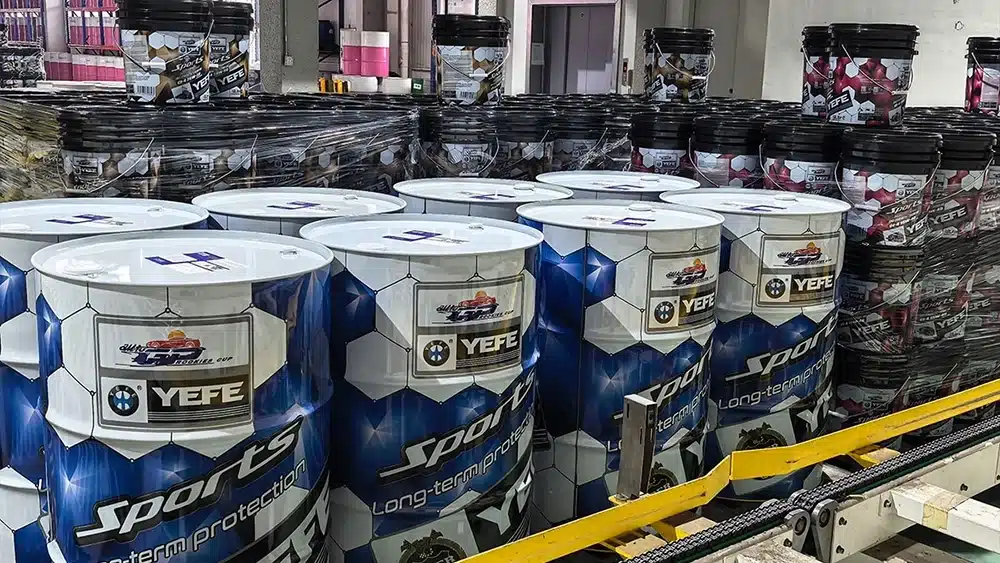
The private label hydraulic oil refers to hydraulic oil produced by a third party manufacturer but marketed under the brand name of the buyer himself. This structure allows the companies to tailor formulations, mode of packaging and labeling to meet specific equipment requirements, market requirements or regional requirements. The businesses enjoy the total right of branding and harness the production experience and quality systems used by the manufacturer.
Most buyers assume that only large companies with huge volumes engage in private labeling. Indeed, even small and medium-sized enterprises may also be gainful of the private label hydraulic oil. It offers more control in product offerings, brand names and pricing strategies even without in-house manufacturing facilities.
The private label hydraulic oil provides the businesses with cost-efficient and tailored services to meet their needs in the oil supplies, with a brand identity and differentiation in the marketplace.
What Is Private Label Hydraulic Oil?
The term private label hydraulic oil is used to refer to high performance hydraulic fluid manufactured by a reputable manufacturer and sold under the brand of the buyer.
Under this model, the manufacturer does the blending, testing, and production based on the base oils and additives which are with specifications to the industry like ISO VG grades, anti-wear properties, and oxidation stability. The buyer is interested in branding, i.e. the supply or approval of labels, packaging designs and occasionally demands modification of the formulation to special uses such as high-pressure systems, low temperature work or environmentally sensitive operations.
It usually includes discussion whereby the buyer defines his needs (viscosity, additive packages, performance standards) the manufacturer develops and tests samples, and on approval, large scale production would commence with a buyer labeling on it.
This strategy offers some of the main advantages such as a higher level of customization, flexibility of a supply chain, and direct control over the quality and consistency of products.
| Aspect | Description |
| Custom formulation | Tailor-made to meet specific system requirements |
| Branding | Product sold under the buyer’s brand name |
| Packaging | Custom labeling and packaging options available |
Benefits of Private Label Hydraulic Oil for Your Business
Private label hydraulic oil include significant benefit to the distributors, OEMs and retailers because they can manufacture effectively and control the branding of their products.
Even more noticeable are cost benefits which can be achieved by buying in large quantities or by entering into long-term contracts- manufacturers can give good prices because economies of scale aspect, lesser marketing expenses and efficient production can be practised.
Business establishments also get to enjoy more market control. Special recipes may be created to fit special purpose, e.g. in construction equipment: hydraulic systems, or in farm machines working in harsh environments. This enables it to be differentiated as opposed to competitors who are dependent on generic branded products.
Increased perceived value is formed by branded offerings, and customer relationships are built and loyalty is enhanced. When clients feel positive about your brand due to the reliability of the performance, repeat business is likely to be achieved.
The margins of profit usually increase, as you do away with the middleman markups on the national brands. You manage the chain of supply starting with formulation till the ultimate customer price.
| Benefit | Impact on Business |
| Cost advantages | Lower manufacturing costs with larger orders |
| Increased control | Control over formulation, branding, and packaging |
| Market differentiation | Unique products that stand out in the marketplace |
| Higher margins | Potential for increased profit through branding |
How to Choose the Right Supplier for Private Label Hydraulic Oil

In this case, it is imperative to pick a stable partner when it comes to stable quality, regulatory adherence, and stability of the supply of hydraulic oil in the long term in the case of a private label.
A reputable supplier is expected to have good production facility such as automated blending plant, in-house laboratory, and complete traceability of raw material to a completed product. Find the players who are experienced in developing customized hydraulic oils and those who can tailor the additive packages to meet particular performance requirements.
Having certifications is important, either the ISO standards or the API approvals or even the specialised accreditation that claims compliance with all the quality and safety standards. The wide assortment of products is a sign of technical competence, and adequately developed logistics will provide time-sensitive delivery even in conditions of demand variability.
Customer support happens to be crucial as well. Such collaboration becomes easier through responsive technical advice, direct communication concerning lead times, and documentation support (i.e. technical data sheets and safety data sheets).
An alternative to think about when making a decision includes a reliable supplier of hydraulic oil who not only provides manufacturing experience, but also can customize and design based on the situation.
| Supplier Factor | Why It Matters |
| Certifications | Ensures product meets industry standards |
| Product range | Ability to provide customized oil formulations |
| Production capabilities | Ensures consistent supply and quality |
| Customer support | Critical for resolving issues and providing guidance |
Common Mistakes When Choosing a Private Label Hydraulic Oil Supplier

Hurrying the supplier selection procedure may result in quality, supply or increased costs being incurred. The following are the most common traps to consider:
- Selecting a supplier on the basis of price only rather than considering the product quality, additive packages, and long remote dependability, low start up prices can conceal the anomalies in the performing both or performance variation with the batches.
- Failing to check the certification, lab test specifications, or even the precise formulation of base oils and additive without such due diligence, the end product may not be in line with the requirements of the equipment manufacturers or industry requirements.
- The missing of the step of seeking product samples and the performance of independent testing as a preliminary artwork to committing to huge purchases is an opportunity that is missed in actual practice, the actual performance within your target areas is the best measure of appropriateness.
- Ignoring the production capacity and lead times, which may lead to delays or do not scale with the increasing demand.
Overlooking the experience of the supplier with reference to the private labeling in particular, their success with other clients in terms of delivering custom packaging, labeling precision and export paperwork.
Conclusion — Private Label Hydraulic Oil Offers Customization and Control
The business has greater control of product quality, brand and market positioning when it deals in a private label hydraulic oil. Having an effective manufacturer as the partner would allow the firms to come up with their own specific formulations to meet particular needs of the hydraulic systems, and establish a distinguishable brand that the customers can easily identify.
The key is in the balance: using the skills of professionals, retaining the right to make branding and differentiation choices. Collaborating with an established supplier of hydraulic oil is a guarantee of stability, reliability, and the factor of flexibility of long-term success in competitive markets. The strategy eventually enables greater customer retention and long term business expansion with reliable branded lubrication strategies.