When many fuel stations, auto parts wholesalers, and other distributors find themselves in a situation where it makes good business sense to offer private label coolant and antifreeze. By creating your own line to increase customer loyalty, boost your profits and give you control over your product mix and promotions, you can do it without thin margins. It is important to work with an established manufacturer that will take care of the technical aspects, while you concentrate on branding and sales.
By using the private label coolant and antifreeze formula, your company can offer high quality engine coolants under your own name and it will save you the expense of building blending facilities and doing extensive R&D. A competent OEM/ODM partner handles formulation, QC, filling and export documentation, enabling you to get your automotive fluids portfolio to market or expand quickly.

What “Private Label Coolant & Antifreeze” Actually Means
Private label coolant and antifreeze involves a special manufacturer working under your specifications to create the final product for you and using your name, artwork and packaging. You will be responsible for the brand identity, the distribution strategy and so the manufacturer will deal with the chemistry, blending filling, testing and compliance paperwork.
It is a method commonly used in the lubricants and fluids sector, as it allows them to use existing formulations that have already been proven to perform. Smart distributors opt for proven technologies and invest their time in positioning the product, building relationships within channels and managing inventory.
Where Private Label Coolant Fits in a Fluid Portfolio
Cooling fluids are usually a strong supporting product to other engine fluids such as ATF, engine oils, brake fluids and gear oils. It works seamlessly with oil change service packages, fleet maintenance agreements, and seasonal offers. Providing your own brand of coolants can provide a full solution to your workshop and retail customers, thus fostering larger orders and repeat business.
Key Formula Decisions – Technology, Performance Level, and Application
One of the most critical decisions early in the game is to pick the right coolant technology. The three main categories are IAT, OAT (Organic Acid Technology), and HOAT (Hybrid Organic Acid Technology). These have varying service life, compatibility and appropriateness to particular vehicle fleets.
Choosing Between IAT, OAT, and HOAT for Your Market
For modern vehicles, long-life OAT or HOAT formulations deliver better protection in high-temperature applications and have longer drain intervals. Where older fleets or specific regional markets are still using conventional IAT coolants, they will continue to do so. For most distributors, a good initial solution is a single versatile OAT long-life product for new passenger cars and light commercial vehicles and a standard or hybrid product for legacy vehicles and certain distributor OEM style choices.
Always take into account vehicle parc and local climate. What suits market conditions in Europe may not be appropriate in the markets of extreme hot climate, heavy dust and older trucks and farming equipments.
Premix vs Concentrate – How to Decide
Cost effective coolant ship concentrates and provides flexibility for the workshop person to mix ratios, but requires end users to add the proper amount of distilled water. Premixed “ready-to-use” coolant reduces mixing errors and is very popular with retail customers and quick-service restaurants.
Premix is available in smaller bottles for retailing, and in larger packs as concentrate for professional users, for many successful private label programs. This strategy will help maximize sales channel coverage, while minimizing SKU complexity.
MOQ Realities – How Much You Really Need to Order

One of the largest practical issues with the introduction of private label coolant and antifreeze is the minimum order quantity. MOQ is based on the customization of packaging, efficiency of batch blending, and container type. Knowing these facts is essential when making plans for a launch based on realistic and attainable volumes and not blocking up cash in slow-moving inventory.
Typical MOQ Ranges for Private Label Coolant
MOQs are typically beginning in the thousands per SKU, for branded small bottles (1L to 5L), as a result of label printing and filling setup. Lower entry points are typically found for bulk formats such as 200L drums or 1000L IBCs, since they are more standardized. Each of these numbers is dependent on the manufacturer and the level of customization, so it is important to be able to communicate with the manufacturer your sales velocity.
How to Plan MOQ by SKU Instead of by Dream Lineup
Narrow the product range down to a good selection of high turnaround products first. Many markets have substantial demand that can be met by one mainstream OAT premix and one conventional product. Restoring a consistent reordering of a limited number of items will grow volumes more quickly and maintain inventory levels than ordering from too many variations.
Packaging Options – From 1L Bottles to Drums and IBCs
Packaging has a direct impact on shelf appeal, logistics costs and end user convenience. Common formats include:
- Small packs: 1L, 2L, 4L and 5L bottles and jugs for retail outlets, fuel stations and small workshops.
- Medium packs: 10L – 20L pails for professional service outlets.
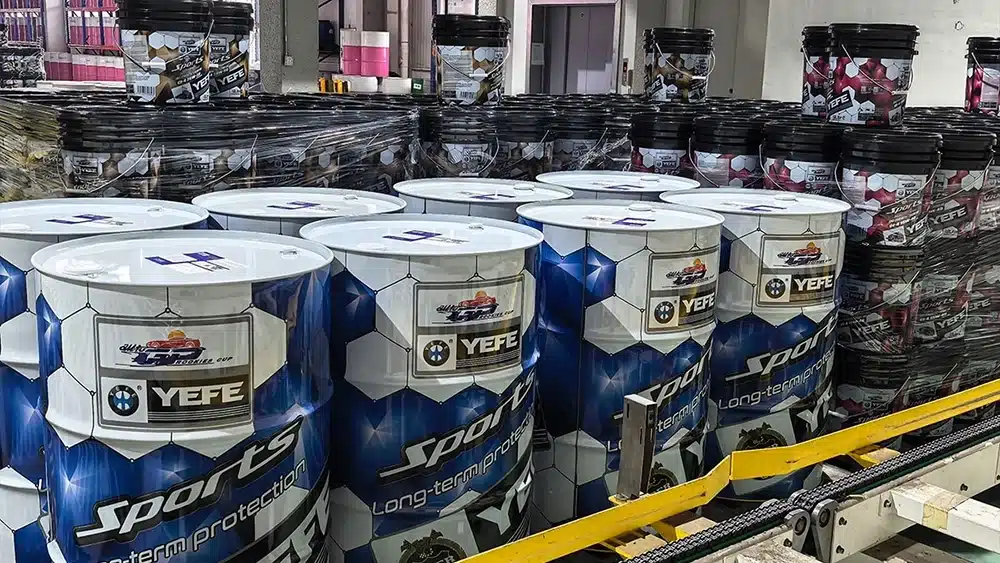
- Large packs: 200L drums and 1000L IBC totes can be purchased by distributors, large fleets or industrial customers.
Matching Packaging to Your Channel Strategy
Small bottles with appealing labels that are easy to find on shelves are a great benefit for brands that sell their products in retail outlets. The durable pails and drums with easy dispensing features and durable labels are preferred by workshop and fleet customers. Industrial and high-volume buyers are most concerned with the cost per liter and handling efficiency. Begin with formats that complement your best current channels and grow with the development of the program.
Labeling, Branding, and Compliance Documents
Any private label coolant label needs to be both clear and functional. They contain product name, technology type (OAT/IAT/HOAT), premix or concentrate designations, application information and safety data. Good labelling can assist the retailer and the garage to quickly identify vehicle and climate suitability.
Supporting documents like Technical Data Sheets (TDS), Safety Data Sheets (SDS), and batch certificates are provided by a professional manufacturer. These materials will be crucial to your own quality assurance, customs clearance, and downstream customer building trust.
Designing Labels That Help Retailers Sell
Simplify designs to be easy to read. Including prominent language for “ready to use” as opposed to “concentrate”, vehicle segment coverage and performance highlights speed product flow. Don’t use too distracting graphics that make it difficult for shoppers to know what it is within a few seconds.
Choosing the Right Product Line Strategy for Your Market
A successful private label coolant program starts with discipline and focus. In many areas in the country, a single large multi-vehicle 70-80% demand OAT will satisfy 70-80% of the demands. Heavy duty and/or special variants will follow when base SKUs have established a consistent sales flow.
Start Narrow, Then Expand
Phase 1: Start with 1-2 products that match leading vehicles in your market.
Phase 2: Add other colors and/or HD formulations and/or propylene glycol options, depending on real sales and customer feedback. This approach, which is based on measurement, minimizes risk and lays a robust groundwork for sustained brand development.
Working with a Coolant OEM/ODM Partner – What to Expect
The first step in a smooth private label project is to have an open discussion about your target markets, vehicle parc, climate specifications, and business goals. The manufacturer subsequently suggests an existing formulation or minor modifications, and agrees on the packaging and labeling, and also specifies the MOQ and pricing.
Lead Times, QC, and Repeat Orders
Naturally first orders will take longer for design approval and initial production set up. Repeat orders come through quicker after specifications are finalized. Reliable partners conduct strict batch testing, keep samples and have full traceability. Predicting the future and keeping ordering consistent are important for maintaining a steady supply and competitive lead time.
Risk Management – Quality, Liability and Long-Term Brand Value
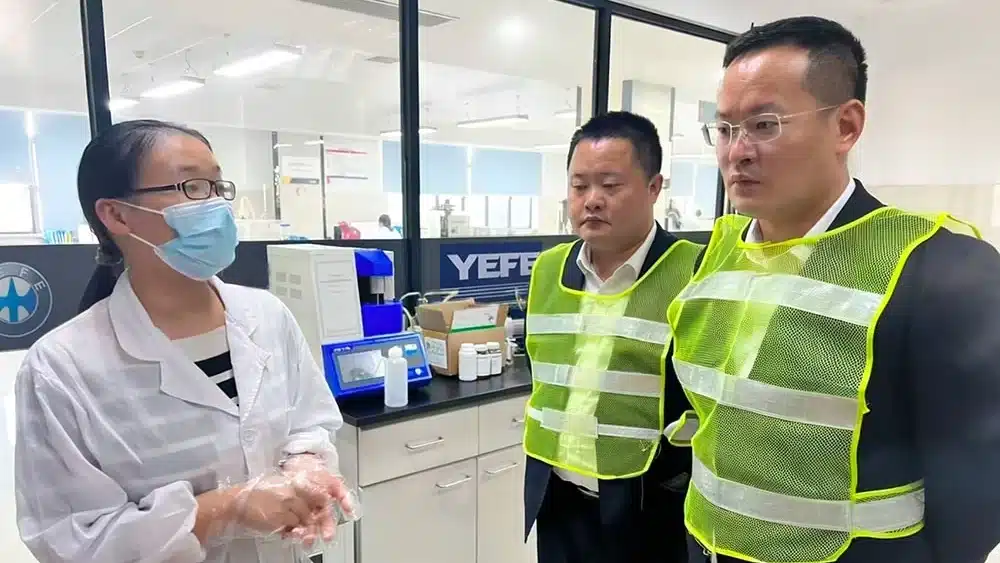
If the quality of the coolant is not good, you can cause serious damage to your car’s engine, and even hurt your reputation. It is important to work with a manufacturer that has a strict quality control system, has agreed upon testing methods, and has good documentation. Don’t claim anything that is not supported by the test results.
Questions to Ask a Potential Private Label Coolant Supplier

- To what standards and test references are your coolants compliant?
- What are the reasonable minimum order quantities (MOQ) for various packs and customisations?
- What packaging methods and fills are you able to accommodate?
- Are you able to export full TDS, SDS and batch documentation?
- What are your lead times, quality control, and repeat orders like?
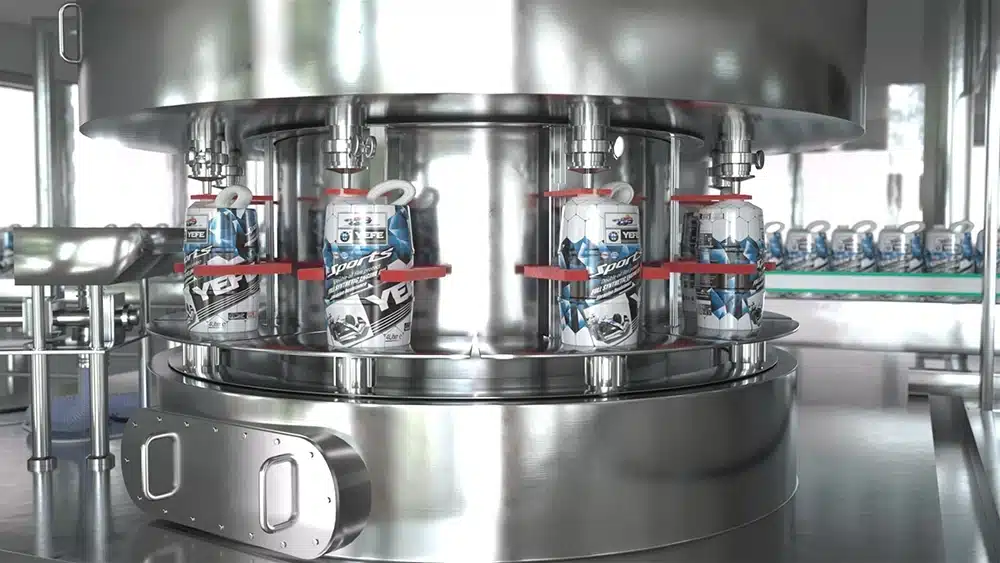
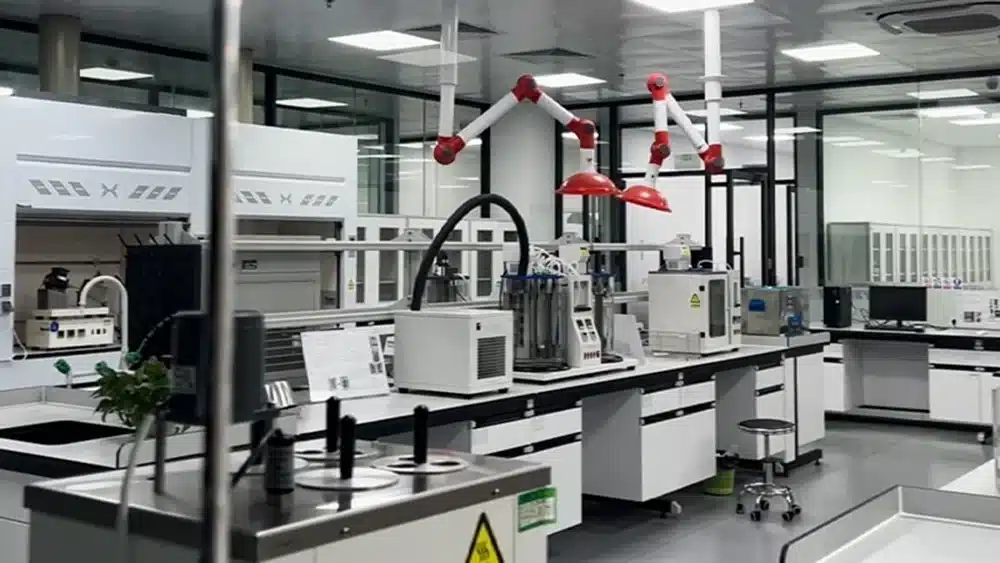
YEFE (Shenzhen) Lubricating Oil Co., Ltd. is ready to assist the distributors and brands with the proven coolants formulations, the customization of packaging solutions, and the complete OEM/ODM services. Providing customers with the automated production, lab testing and export experience that allows them to launch reliable private label programs that offer long term value.
If you are interested in private label coolant and antifreeze products, provide our team with your market information and you can tell us what your volume goals are. We can offer hands-on suggestions that can be implemented in your situation and show you how to create a successful, profitable house brand in the automotive fluids market.