Private label grease is becoming a growing choice of industrial buyers, distributors and fleet operators as a means of improving profits, reducing branding and aligning products to application. Private label grease is premium quality lubricant that is manufactured by a specialized company to a specified grade and packaged and labeled by the buyer. This not only provides you with already established formulations with full technical support, but it also lets you build equity in your house brand, rather than resell multi-nationals.
When operating an industrial lubrication program, looking at the private label model involves looking at technical fit, quality systems, documentation, and commercial terms, before you sign a contract. If done correctly, it lessens your reliance on large brand price fluctuations and puts you in place of a more robust supply chain that’s more in line with your customers’ actual business environment.

What Is Private Label Grease in Industrial Context?
Private label grease is a grease which is produced to your requirements or from their successful industrial formulation, which is filled into your brand and which is supported with full documentation. You own the brand, set your prices, and control the sales channels, and the manufacturer handles blending, quality testing and filling.
This is a contrast to merely re-branding products which are available in the market. A competent partner works with you to formulate specifics, performance expectations, and packaging information so the grease will perform well in the field.
Private Label vs OEM Grease Manufacturing
Private label programs concentrate on general market greases for wide industrial applications like mining, construction, manufacturing and fleet maintenance. They are focused on quick to market, brand flexibility, and volume scalability.
An OEM grease manufacturer, on the other hand, usually requires equipment specific approvals, much longer testing and development in the field, and close working relationship with the original equipment manufacturers. Private label is used for regular multipurpose and high-demand products, and when the volume is sufficient, the buyer will have to switch to dedicated OEM lines for specialized machines.
Why Industrial Buyers Consider Private Label Grease
The best motivator is margin improvement. Buyers capture the value of the product by dealing with a manufacturer rather than paying a premium for the multi-national suppliers. This pricing control can be particularly helpful when leveraging cost savings to key accounts or when margins are under threat as a result of raw material cost fluctuations.
The advantages of private label grease extend beyond the margin. Distributors and service companies can offer customers a complete lubrication solution that’s all under one easy-to-recognize name, making it easier and more convenient for end users to purchase.
Strategic Benefits Beyond Margin
Private label programmes can help to decrease reliance on one or two global suppliers, thus lessening both supply and negotiation risk. The product ranges are co-defined by the buyer to meet exactly local market requirements, for example by adjusting the NLGI grade or additive package for hot and dusty conditions found in the Southeast Asian, Middle Eastern or African markets.
More companies are also including private label grease in their engine oil, hydraulic fluid and coolants, resulting in “one-stop” products that help keep customers.
Core Technical Checks Before You Put Your Name on a Grease
Consider a private label grease project a technical job. All greases should have clear information about:
- NLGI grade consistency
- The type of base oil (mineral, synthetic or blend) and its viscosity.
- A thickener system such as lithium, lithium complex, calcium sulfonate, polyurea, etc.
- The drop point and operating temperature range.
- Extreme pressure (EP), anti-wear, water resistance and corrosion protection performance.
These parameters decide suitability for bearings, open gears, chassis points or high temperature applications.
Documentation: TDS, SDS and Test Results
Insist on current Technical Data Sheets (TDS), Safety Data Sheets (SDS), and references to test methods (ASTM, DIN, etc.). Lack of or incorrect paperwork leads to issues with tenders, safety checks and customer approvals. Get samples and batch Certificates of Analysis (CoA) early in talks.
Quality Systems, Traceability and Compliance

Impurities are the death knell of your brand. Check to see if the manufacturer has ISO 9001 or similar systems in place and if they do, check if they carry out in-process testing and have samples for traceability. Every package has a clear batch code for easy investigation in the field if it becomes an issue.
Regulatory and Industry-Specific Requirements
If used in food, pharmaceutical-related or mining settings, ensure the supplier can provide necessary certification (e.g. NSF H1) or OEM approvals. Private label does not reduce the compliance pathway — it calls for the manufacturer to develop verifiable pathways to comply.
MOQ, Packaging and Inventory – Practical Considerations
For private label greases, the minimum order quantity (MOQ) is usually a result of batch sizes, label printing runs and package formats. As your program grows, the MOQs will become more flexible; realistic MOQs will depend on the product and container type.
Aligning MOQ with Real Consumption
Start narrow. First, select one or two multipurpose greases with high volume and have them meet most customers’ requirements, for example, lithium complex EP grease (NLGI 2). Don’t distribute a large catalogue of products that will tie up capital in slow sellers, use historical sales to prioritise.
Packaging Options and Channel Fit
Packaging Options to match customer operations: field service and workshop applications, plant maintenance, heavy industry, bulk for large consumers. Communicate with the manufacturer about your main channels and warehouse limitations and ensure that packaging is appropriate for a successful distribution process.
Selecting the Right Private Label Grease Manufacturer
Assess partners for industrial grease experience, formulation ability, quality system and private label production when Selecting the Right Private Label Grease Manufacturer. Check manufacturers that routinely make greases rather than just automotive oil for bearings, open gears, high temperature and waterproof applications.
Questions Industrial Buyers Should Ask
- What are your typical applications for the thickener systems you make and what NLGI range are you in?
- What quality certifications and testing do you use for your greases?
- What are the usual MOQs for various packaging formats?
- Are you able to provide sample TDS/SDS and CoA for review?
- How do you ensure formulation stability and update partner with required changes?
Risk Management: Common Pitfalls and How to Avoid Them
Some of the Common Pitfalls are choosing based on price only without technical validation, launching too many SKUs at a time, not conducting field trials, and failing to anticipate the requirement for consistency in the number of units supplied.
Pilot Testing and Field Validation
Conduct controlled trials with trusted customers or critical equipment prior to full rollout. Gather pumpability, wear protection and packaging durability performance data. Refine formulations or adjust packaging based on the results prior to scaling up.
Building a Sustainable Private Label Grease Program
The key to long-term success is formulation stability, documentation, and training the sales team. Stick to the core products and keep the changes to a minimum unless there is a regulatory change; inform the users of the change as soon as possible.
Expanding the Range Once the Core Is Proven
Once the multipurpose greases are on the market, logically expand and diversify into synthetic, food-grade, marine or extreme heavy load if there is documented demand.
How a Manufacturer Like YEFE Supports Industrial Private Label Buyers

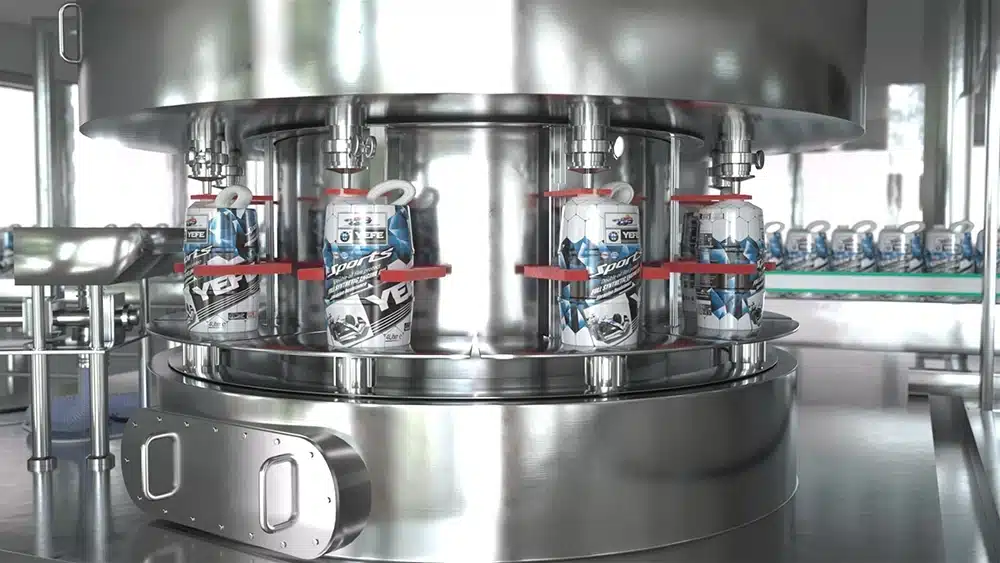
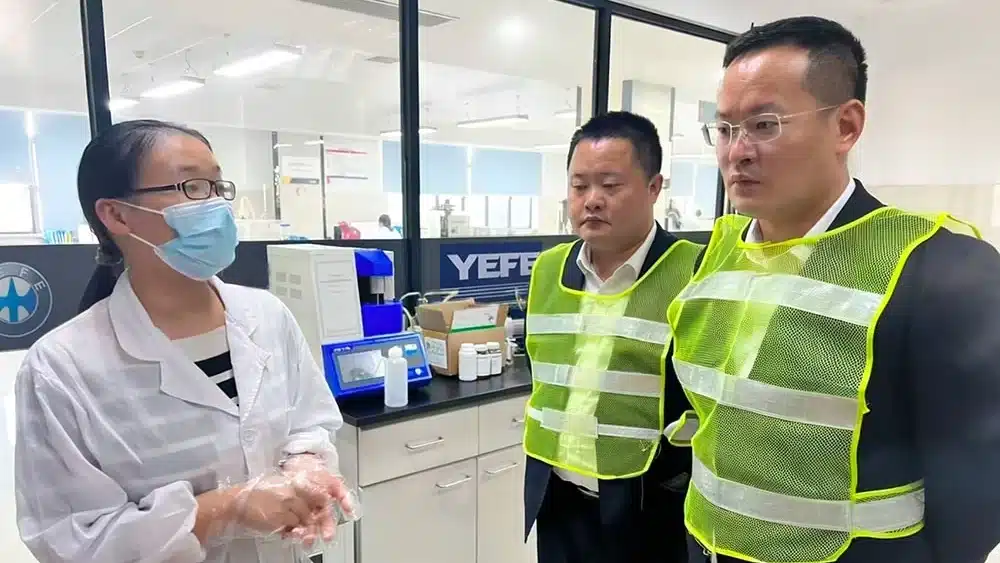
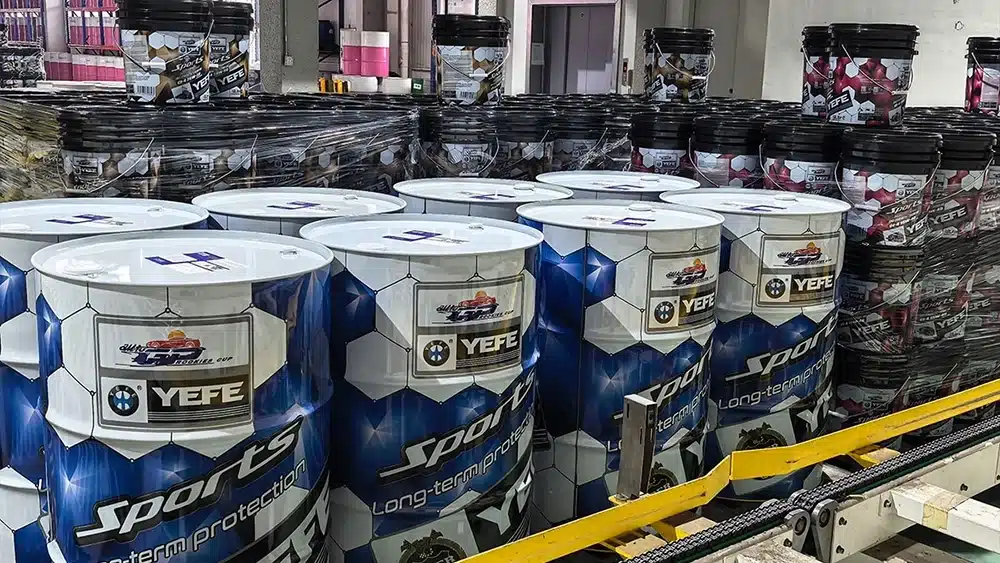
YEFE offers ready and semi-custom solutions of industrial grease formulations, multi-format packaging (cartridges, pails, drums, bulk), support for full private label (design and labeling), full documentation and export-ready logistics. By using our automated lines, batch traceability and laboratory testing, our distributors and industrial buyers can guarantee high quality performance under their own brand and ensure technical expectations are met by their mining, construction, manufacturing and fleet customers.
Turning Private Label Grease into a Competitive Advantage
Technical due diligence, quality partnership, and market alignment are key ingredients that transform private label grease into a strategic asset. It allows industrial buyers to secure margins, provides differentiated solutions and allows for performance-based (not brand name) customer relationships.