Brake fluid distributors and automotive aftermarket brands when exploring packaging & OEM options for private label MOQ, are typically seeking the same objective – to launch a dependable and safety critical product into an existing lubricant and chemical range. There are many companies that already offer engine oil, gear oil, coolant and grease under their own brand. The offering makes it easy for workshops, parts stores and fleet customers to obtain multiple fluid offerings from a single supplier. The true challenge is to match the technical specification of the brake fluid with realistic production quantities, packaging options, and customization options that are budget and brand appropriate.
A good private label brake fluid program isn’t just a matter of printing a logo; it’s an informed choice about DOT classification, minimum order quantities, bottle and drum formats and fitting the program into any OEM or OES supply relationship. It is important that these details are clarified prior to requesting quotes, to avoid the situation where there is a good first order price, but packaging orders or the volume of the first order are higher than expected, raising the price.

Brake Fluid Basics You Must Lock Before Talking MOQ
It is important to establish the technological base of the product that you would like to package and sell, before you discuss MOQ or packaging with any manufacturer. Brake fluid is a safety item and there are minor variations in specification that may impact on vehicle system compatibility and market life.
DOT 3, DOT 4, DOT 5.1 and DOT 5 – What You Are Actually Buying
Most private label brake fluid programs are based on glycol fluids because the majority of the cars and light commercial vehicles on the road today are powered by these fluids. The following is a practical comparison of the principal grades:
| DOT Grade | Base Type | Minimum Dry Boiling Point | Minimum Wet Boiling Point | Hygroscopic | Key Characteristics and Typical Use |
| DOT 3 | Glycol | 205 °C | 140 °C | Yes | Entry-level option for older vehicles and general aftermarket |
| DOT 4 | Glycol | 230 °C | 155 °C | Yes | Most common for modern vehicles with ABS and ESP systems |
| DOT 5.1 | Glycol | 260 °C | 180 °C | Yes | Higher-performance tier for demanding conditions or premium positioning |
| DOT 5 | Silicone | 260 °C | 180 °C | No | Non-hygroscopic; used in some classic cars and specialty applications; not compatible with glycol fluids |
Over time glycol based fluids (DOT 3, 4, and 5.1) will absorb moisture. This reduces the wet boiling point and may lead to corrosion or vapor lock if the fluid is not replaced as recommended. However, DOT 5 silicone fluid will not absorb water like glycol does which is why some vehicles may prefer silicone fluid rather than glycol fluid, and will need to be prepared differently into the system.
In reality, most ranges that are not OEM, but instead are aftermarket private label, begin with the DOT 3 designation as the volume driver and DOT 4 as the mainstream recommendation. A DOT 5.1 grade provides the vehicle owner with a performance grade for those who seek a high quality product, or their vehicle calls for it.
OEM Guidance and Target Markets
When making an inquiry of MOQ, clear your goal vehicles and channels, then approach a factory. Check OEM service manuals for major markets to be serviced. Some areas still consider DOT 3 standard and others have made a significant change to DOT 4 or even the newer DOT 5.1.
Early determine whether you will have one universal grade (typically DOT4) for your inventory so you will not have to deal with MOQ exposure, or a tiered range (DOT3 entry, DOT4 mainstream, DOT5-1 premium) similar to what bigger brands do. Explain the end users, independent workshops, motorcycle specialists, retail chains, performance shops or fleet operators. There are varying expectations within each channel for pack size, price point and the prominence of the display of the DOT grade on the label.
Typical MOQs for Brake Fluid Private Label Projects
There are two types of MOQ: dedicated brake fluid blenders, and full-line lubricant manufacturers that process brake fluid. Knowing the common models can assist you in making sensible volume projections and prevent any shocks when it comes to quoting.
Container-Based MOQs – Full 20 ft Containers as a Common Starting Point
Many established brake fluid manufacturers have their private label and/or OEM supply based on full container loads. The typical starting point for a new private label project is one 20 ft container. This can be as much as 12,000 to 20,000 liters of finished product, depending on the size of the bottle and carton configuration.
The benefit of working with a container scheme is that the production schedule can be optimised at the factory and better per unit economics can be achieved. Some suppliers will accept the container split into 2 or 3 pack sizes or DOT grades as long as the combined volume is within their limit. Be sure to check this flexibility in the initial discussion as not all factories do mixed-SKU containers in the same way.
Per-SKU or Per-Pack MOQs – Pallet or Piece-Based Models
MOQ is not always only per container; some lubricant and chemical companies quote MOQ on a per-SKU basis. Requirements may be as varied as 5 pallets per SKU for private label packaging or 6,000-7,500 pieces/unit for a specific bottle size (such as 350 ml DOT 3). When you need a smaller scale trial, sometimes the factory has the base fluid in bulk production and only requires some filling and labelling work for you.
These per-SKU models can be appealing in terms of testing the market with lower commitment but because of the higher per unit price, it’s typically more expensive than a container order. In the case of export projects, the majority of customers will eventually opt for at least one complete container to get to a workable landed cost.
Initial Order vs. Reorder MOQs
Most manufacturers have similar MOQs for their initial order and subsequent reorders. This will maintain production lines efficient and minimize changeover time. When ordering a quote, please be specific about the minimum amount of each SKU that will be produced after the initial launch, if smaller reorder quantities can be accommodated and what the price premium will be, and if there is a monthly or quarterly production batch system which encourages continuous orders.
It avoids the scenario where the initial order arrives at a good price but reorders are not economical or not placed on time.
Packaging Options – From 250 ml Bottles to Drums and IBCs

The packaging selection is going to directly influence your brand presentation and the overall cost of the program. A proper OEM brake fluid manufacturer for private label will provide various formats and advice concerning which is proper for your channel mix.
Retail Pack Sizes and Bottle Customization
The typical retail pack sizes for brake fluid private label are 250 ml and 350 ml bottles (which are effective for retail shelf and smaller workshops), 500 ml and 1 litre bottles (which work well for higher volume users and can offer better margins for some markets) and sometimes 2 litres or larger bottles for certain markets. They are usually packed in 12, 24 or 30, depending on the shape of the bottle and the local preference.
Several styles of bottles are generally available from factories in HDPE that can be customised for colour, cap design, tamper evident seals and label materials. Custom bottle moulds can be made, but are usually not feasible unless quantities are larger and lead time is longer, making the investment in the tooling worthwhile. In considering private label brake fluid packaging solutions, also take into account that the label will clearly convey the DOT grade. Many successful programs implement colour coding or an obvious badge to enable end users to easily identify the right fluid for their vehicle.
Bulk and Workshop Packs – 5 L, 20 L, Drums, IBCs
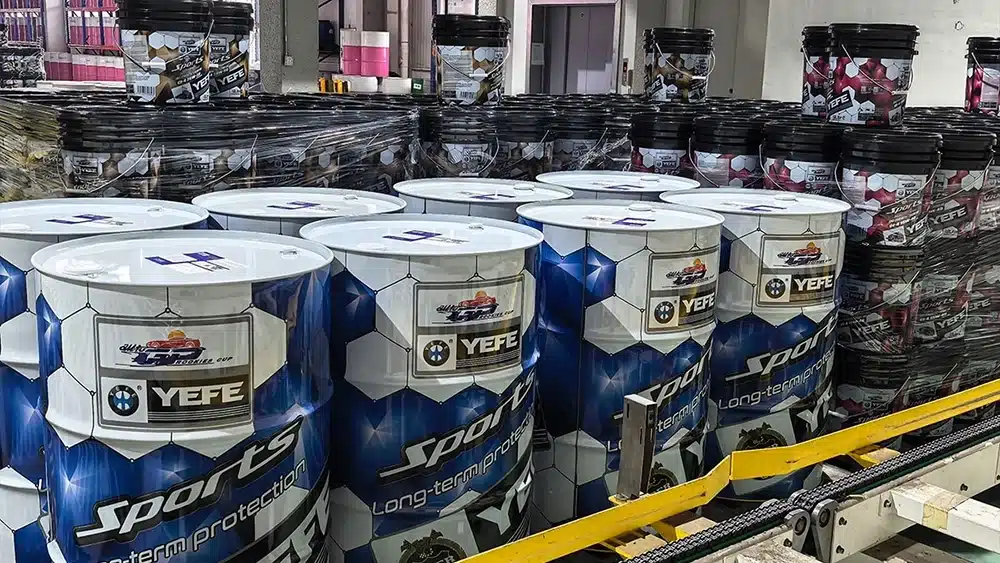
For workshops, fleet customers and B2B repackers: Larger formats are needed: 4 L or 5 L jerrycans or cans with screw caps or pouring spouts, 20 L pails with lids and bungs, 200 L to 208 L drums (new or reconditioned), or 1,000 L IBC tanks or flexitanks for large distributors who will repack locally. The size of the pack is matched with the customer type to increase the perceived value and reduce waste. Regular buyer of 20 L pails will not be interested in buying 350 ml bottles.
Cartons and Custom Brake Fluid Boxes
The secondary packaging is as important as the primary packaging. High-quality suppliers offer export quality palletization and strapping that conforms to the standards of export countries, export grade cartons that are custom printed with your brand and necessary hazard graphics, and inner dividers or partitions that keep bottles safe while in transit. When the product is priced as an upscale item, some buyers will also want top-notch carton attributes like embossed logos or window cut-outs. Discuss these details with the fluid manufacturer and any special packaging partner early as changes to artwork after approval may result in delays.
OEM vs. Private Label Programs – How They Differ
It is important to understand the difference between true OEM programs and the standard private label supply so that you have the proper expectations with the factory and your customers.
What OEM Brake Fluid Programs Expect
As for the quality of the supplier’s brake fluid supply, there are tighter batch-to-batch consistency requirements; full traceability back to raw material lots, which can be regular audit access in some cases; strict change control procedures (any formulation or packaging change must be pre-approved); and longer-term supply agreements of 12 to 36 months with defined volume commitments, and in most cases, PPAP style packages are required. Once approved, these programs can provide relatively consistent quantities, but require increased process control and transparency from the manufacturer.
Private Label for Aftermarket Brands and Distributors
Private label programs for distributors, fuel station chains and parts brands are generally more flexible: They provide you with greater freedom in the choice of brand, label design and pack format throughout multiple DOT grades, focus on competitive lead times and export-ready documentation (MSDS/SDS, CoA, packing lists, certificates of origin where required), and emphasize consistent quality to protect your brand without the audit requirements of an OEM program.
The important thing is to make clear in the initial brief the level of control and documentation that you require or do not require, either aligned to the OEM or aftermarket private label. A common area of contention and additional expense is when the two expectations are combined mid-project.
Key Technical and Quality Questions to Ask a Brake Fluid Factory
At the quoting stage, a deliberative questioning system saves time and minimizes the risk of unforeseen circumstances during production. The following Checklists are intended as a starting point.
Product and Spec Checklist
- What DOT Grades can you manufacture in Private Label and OEM quantities (DOT 3, DOT 4, DOT 5.1, DOT 5)?
- What are the actual dry and wet boiling points, the actual low temperature kinematic viscosity for each formulation and the actual pH range? Are they compliant with or better than FMVSS 116 and any applicable ISO/ local standards?
- Do you have up-to-date TDS and SDS reports and recent in-house or third-party reports for the grades we are referring to?
- What is your approach to controlling batch to batch consistency and what traceability system have you implemented from raw material receipt until filled?
- How do you tackle shelf-life testing and stability at various storage conditions?
Packaging, Label Approval and Export Support

- Which are your usual packaging formats and the respective MOQs (bottles, cans, drums, IBCs)?
- Provide support and guidance in the areas of label design and regulatory information such as pictograms, safety phrases, multi-language requirements to target markets?
- What is your approach to carton configuration, palletisation criteria and completion of complete export documentation sets?
- How many days is the typical lead time for a new private label project from the time the artwork is approved for the label till the first container is shipped?
- Are mixed-SKU containers possible or delivery dates staggered, if the first order is for multiple pack sizes?
The answers to these questions early in the development process will give a clear indication of the factory’s understanding of the realities of private label and OEM supply. If the answer is vague or incomplete, be sure to note it down before committing.
Typical Project Flow – From Quote to First Shipment
Most successful brake fluid private label launches are similar in that they have the following sequence. Knowing what steps to expect along the way will ensure that you have a realistic timetable and can see where more attention is required.
Example Timeline and Steps
- Project Definition – You identify the DOT grades needed, markets desired, potential volume per month or year, packaging formats and any particular branding or labeling needs.
- Quoting and MOQ Confirmation – The factory offers a quotation with a minimum order quantity: usually it is one 20 ft container aggregate for the initial order. Samples/batch samples are discussed.
- Sampling and Approval – Paid or free samples are made using packaging and labels of your choice. You test for compatibility, labeling and performance. The changes made prior to mass production.
- Supply Agreement – Agreement signed with a production rhythm (monthly or quarterly), quality standards and commercial terms for 12 to 24 months.
- Production and Shipment – Initial Production, In-Process and Final QC, container loading, preparation and all export documents. First shipment is sent following agreed time schedule.
Where Projects Commonly Go Wrong
These are just a few common problems that one could face even with an experienced sourcing team, and these issues can cause delays or overshooting the expected budgets: Underestimating the MOQ and finding out that the combination of pack size and product does not fall within the factory’s minimum requirement; Using the same artwork and color scheme for different DOT grades which can cause confusion in the retail environment and possible warranty issues; Late changes to the label artwork or hazard symbols or carton design after the factory has ordered materials and begun blending; Not giving the factory the clear information that the product will go in a certain market, which will allow them to recommend the correct regulatory labelling and documentation requirements.
The risks can be minimized by approaching the factory with a structured brief including technical specifications, volumes, box construction, and market destinations. The better your first message, the easier it is to get your first shipments to old money.
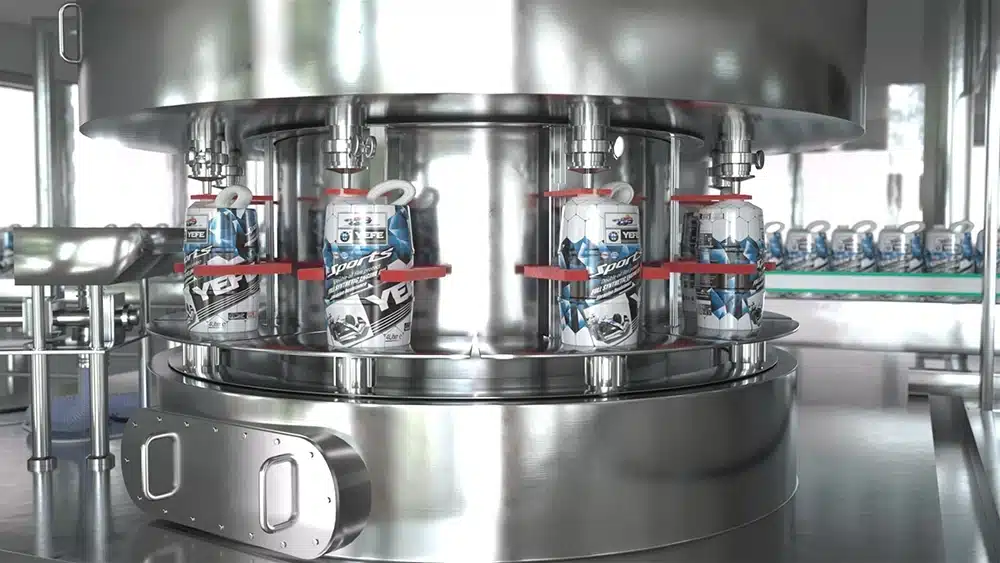
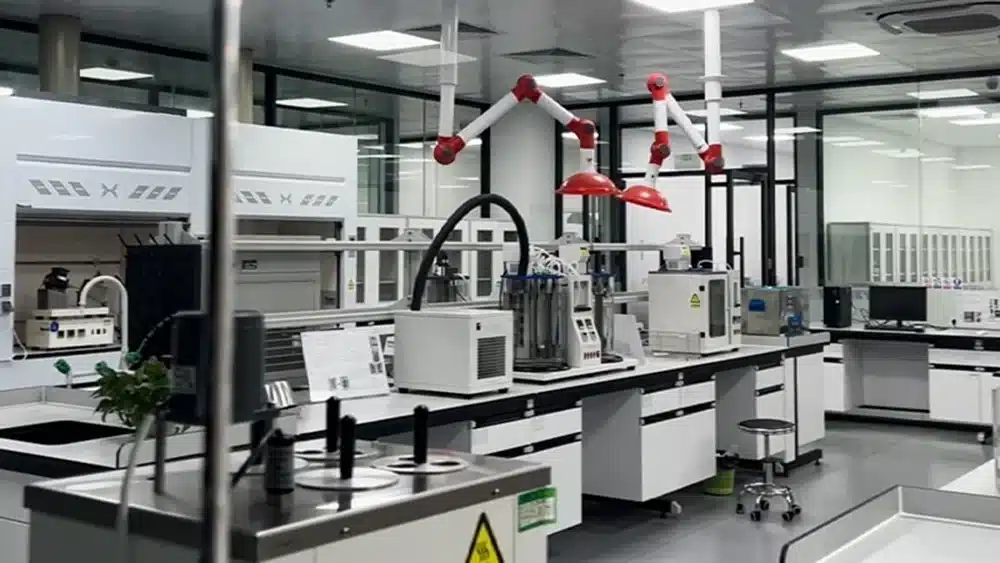
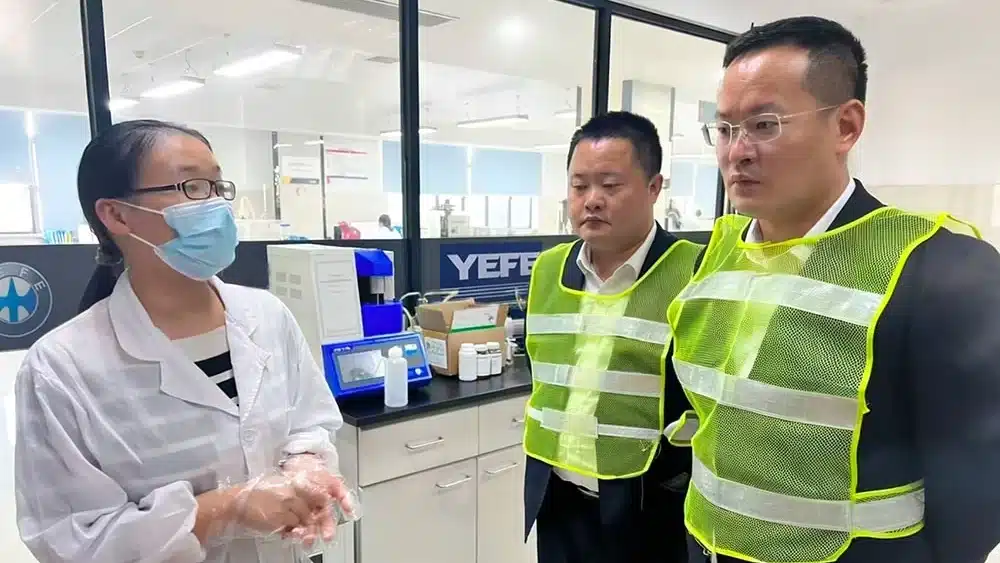
Once the planning stage is over and it’s time to move into production, having a manufacturer with a proven track record of exporting products, automated production and a strong quality control system makes the entire process more predictable. Suppliers with the resources to formulate the fluid and provide all packaging formats under one roof may be able to provide a more consistent product and less coordination problems than those that have to use several subcontractors. This type of integrated capability is precisely why private label brake fluid programs can grow with efficiency in ensuring the safety and performance levels that end users and regulators demand.