The Opportunity — Why Private Label Lubricants Are Booming

Assuming that you are either a distributor or a brand owner and want to know how to begin with a private label brand of lubricants, you should consider collaborating with a reputable manufacturer of OEM lubricants.Assuming that you are either a distributor or a brand owner and want to know how to begin with a private label brand of lubricants, you should consider collaborating with a reputable manufacturer of OEM lubricants. The method also allows you to introduce a tailor-made product such as engine oils, gear oils, or hydraulic fluids using your own brand without the inconvenience of constructing a production plant. There is an explosion in demand in localized brands in the emerging markets such as South East Asia, Africa and Middle East due to cost-conscious customers and an increase in vehicle ownership.
OEM lubricants and own brand lubricants have low entry barriers, fast market entrance, complete control of brand, and higher margins of up to 40 percent in comparison to selling the fakes. As a case example, distributors in Nigeria have expanded their activities by providing the market with a customized engine oil that meets the requirements of the dusty and hot weather regions, with repeat purchases due to familiar branding. Being a senior export manager who has more than 10 years experience in the lubricant industry, I have observed how these programs can enable the small players to fight with the big players and make the suppliers an extension of them to grow over the long run.
Before You Start — Understand What OEM & Private Label Really Mean
OEM (Original Equipment Manufacturer) is the process by which a supplier is developed and manufactures lubricants exactly to your specifications, and may require R&D to develop a special formula. Instead, the second type of lubricants are the private label, where we brand ready-made products under your name, but customize it in terms of packaging and slight modifications.
The lubricant industry is no different as both overlap with OEM service doing full customization of engine oils, ATFs, coolants, and greases and private label focusing on market-ready products. The key? They remove initial costs on equipment or skills. To the consumers in China or international importers, when they settle on an OEM engine oil manufacturer in China, they are getting access and high level of blending technology at a low cost. Always make your needs clear, be it API-certified synthetics or green-washed bases, so that the partnership will fit into your market.
Inside the OEM Process — From Concept to Delivery
The introduction via the production of custom lubricants is based on a systematic route and, therefore, is efficient and quality-based. The following is a step-by-step breakdown with regard to actual partnerships that I have managed.
1. Consultation & Requirement Analysis
Begin by specifying your objectives: where you want to sell, what type of products (e.g., 5W-30 engine oil), what viscosity grade and what certification such as API SN or SAE J300.Talk about climate adaptations- tropical regions require high oxidation resistance This step lays the ground work and is usually completed in 3-5 days with the elaborate proposal.
2. Formula Selection & Development
Base oils (mineral, synthetic) are selected or customized by the manufacturer and additives perform.In hot climates, consider focusing on anti-wear agents as well as stabilizers. Laboratory analysis cleans up the batch, making it compliant. This will take 10-15 days and samples to your approval.
3. Packaging & Label Design
Brand bottles, drums or IBCs with your own brand names-colors, logos and multi lingual labels. Professional designs are trust building; consider tamper-evident caps in retail. In this step, approximately 10 days, engineering is incorporated to make the packaging leak-proof.
4. Filling, Blending & Quality Control
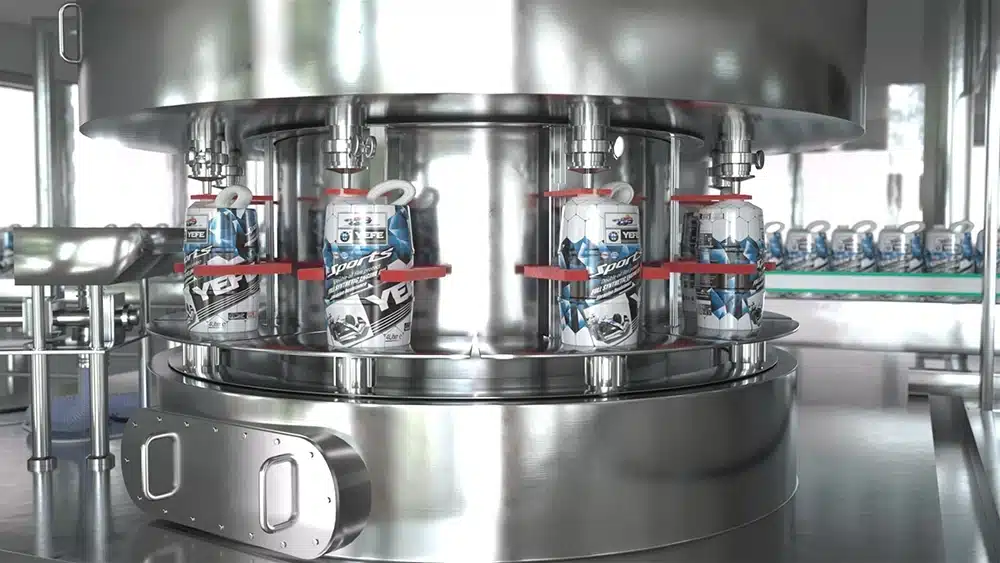
Process of making lubricants explained: Raw materials are mixed in automated tanks where they are filtered to ensure purity and their viscosity, TBN, and pour point are measured using spectrometers and viscometers. The filling is based on the ISO standards in clean rooms. Project 20-25 days, and traceable.
5. Export Documentation & Shipping
COA, MSDS, and customs documentation are also the last thing and the way to a free export. Packaging assures (during transit) -pallets with bottles, bulk (reinforced drums). Delivery schedules: Each order will take 30-40 days overall depending on the volume.
| Step | Description | Typical Timeline |
| 1 | Consultation | 3–5 Days |
| 2 | Formula & Packaging | 10–15 Days |
| 3 | Production & Testing | 20–25 Days |
| 4 | Delivery | 30–40 Days |
Quality Assurance — What Buyers Should Check
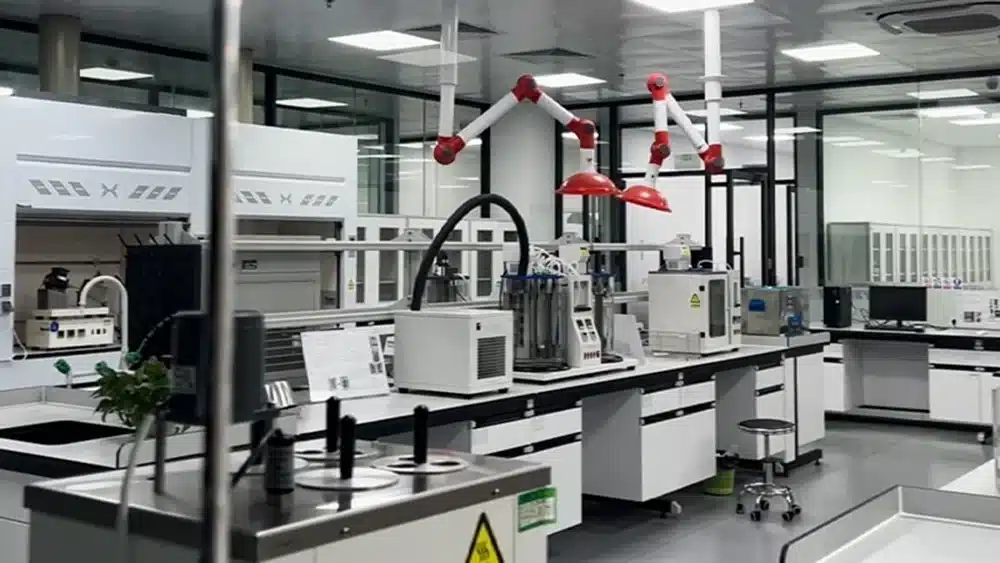
Lubricants are indivisible as to quality–bad batches cost the company engines and customers. Seek suppliers that have in-house laboratories that test the batch viscosity (is within SAE limits) and the low volatility and stability of oxidation measured by ASTM methods.
Accountability: Batch traceability provides request blending to filling digital records. Adherence to API, SAE, and ISO 9001 are an indication of reliability. Typical signs: acid neutrality i.e. consistent TBN, shear stability i.e. long-term performance, climate-specific testing i.e. cold pour point in northern markets.
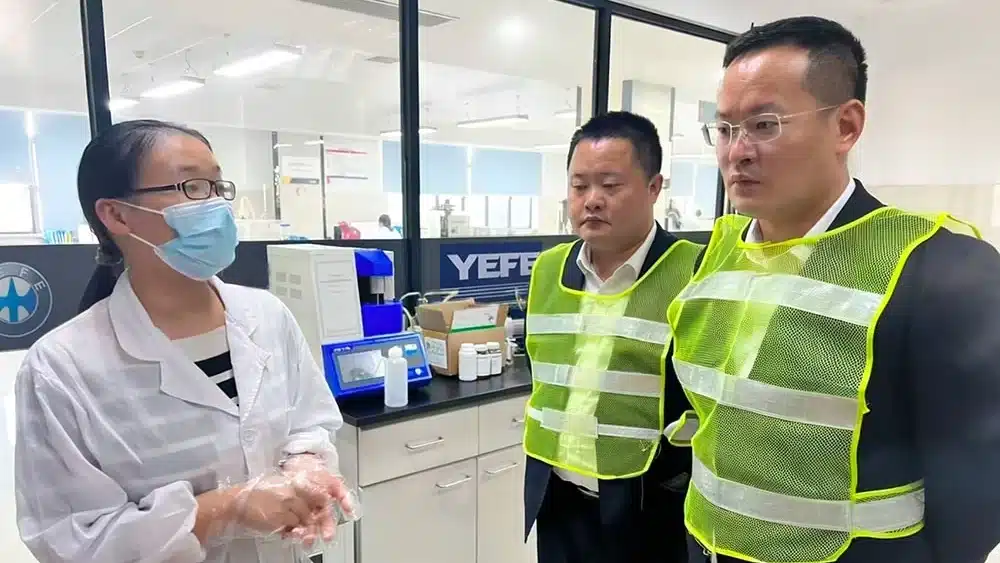
Always insist on a Certificate of Analysis (COA) with each delivery, the certificate validate such specifications as anti-wear additives. In my case with advice to importers, failure to make these checks results in recalls; a reliable supplier of lubricants in China values this in order to win repeat business.
Packaging and Branding — Where Design Meets Engineering

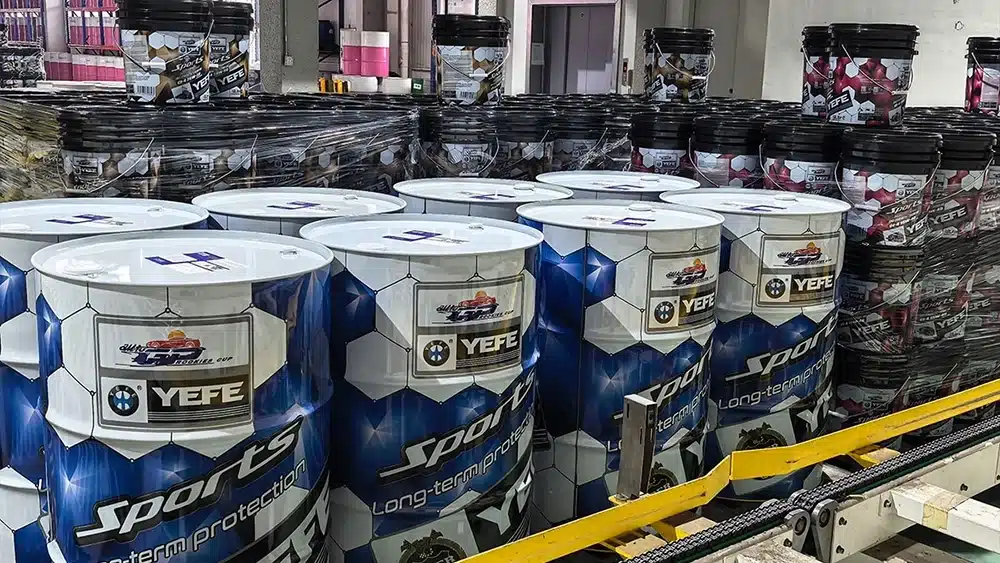
The design of the packaging of the lubricant in a private label will bring your brand to a higher rank than generic. There are HDPE bottles (1L-5L) that are sold in retail, metal cans that are durable, 200L drums that bulk, or 1000L IBCs that can be used in the industry.
Engineering guarantees functionality: UV-resistant materials help to avoid degradation, and ergonomic handles help to handle. Labeling should be in accordance with GHS hazard symbols, have batch numbers and multiple language exportation.
In case with emerging brands, distinctive design, such as colored caps or embossed logos, will increase shelf presence. I have led clients to invest here and made simple oils market leaders with the perception of quality and compliance.
Avoiding Common Pitfalls
New entrants fail to succeed because they focus on the price more than the quality resulting in inconsistency and bad reputations. Another pitfall: wrong estimation of the MOQ regarding the manufacturing of their own label oil (normally 1,000L and above), which leads to storage problems.
Vital negligence on export compliance ensures delays in customs, whereas the absence of excellent branding authorizations reveals legal headaches. Logistics plan early- ocean freight is cost-saving.
Pro Tip: Small-batch samples must be requested prior to large orders being finalized, this is the most effective method of ensuring performance and quality packaging.
Cost, MOQ & Lead Time Expectations
MOQ on the manufacturing of their own label oil begins at 1,000-2,000 units per SKU, and increases with complexity custom formula or bottle. The calculation of costs is as follows: raw materials (40-50%), packaging (20-30%), labeling (10%), and logistics (variable).
Delivery time: 45-60 days (standard); R&D time will take weeks; transparent quotes will not include any extra costs. Such factors as artificial bases or complex designs raise pricing, whereas bulk orders reduce per-unit prices.
Building a Long-Term Partnership

An isolated order lacks the real-life experience–a permanent association creates uniform quality, first-time production and research about the market tendencies. Suppliers who will provide formula upgrades (e.g. bio-based additives) ensure that your line is competitive.
The advantages are expedited reorders and region-specific advice, such as humid Southeast Asia, and co-branding marketing assistance. YEFE being a professional lubricant manufacturer, is no different in this respect, and this has been incorporated through complete OEM/private label programs, advanced test sections and export logistics services specifically designed to cater to world wide distributors.
Final Takeaways for Buyers
Lessons to learn: First identify your market needs and specification, insist on stringent quality tests such as COAs and a OEM partner who will be proven specialists. The brand of lubricants can compete with the world with the right supplier, supported by efficient manufacturing and strategic decision making.
To get more into it, refer to Quality Control in Lubricants: Testing, Traceability & Compliance, How to Select the Right Engine Oil Grade in Hot and Cold Climates, or Industrial Hydraulic Oil: Key Performance Properties Explained.