Why Sustainability Is Now Central to the Lubricant Industry
With the world industries now striving to achieve carbon neutrality, there is a radical transformation of the lubricant industry which has been long associated with petroleum. Greene lubricants are no longer a luxury, they are necessary to comply with regulatory requirements and consumer values. As the EU Green Deal requires reduced emission, and ISO 14001 is a new standard in the management of the environment, producers are under pressure to reduce their footprint or be pushed out of the market.
The small volume of lubricants also has a great effect on lifecycle emissions with refining, blending and disposal. The effect of lubricants on carbon footprint reduction? Through the adoption of sustainable practices, companies will be able to reduce the impact by 30-50, meeting the requirements of ESG reporting and appealing to eco-friendly customers. Lubricant manufacturing can no longer be maintained the same way, i.e. sustainable production is the new competition rule, and sustainable green chemistry and clean production are becoming the new trend in the future.
Mapping the Carbon Footprint of Lubricant Production

Perceiving emissions begins with the chain of production. The majority is based on base oil refining, which in many cases may be crude because it requires extensive distillation and hydrotreatment. It is followed by additive synthesis, which includes chemical reactions that emit VOCs and require power. Blending and filling is done by heating and mixing, which increases electricity requirements, and packaging is dependent on plastics based on fossil fuels. This is magnified through transport based on the usage of diesel and end of life disposal, through incineration or improper dumping, releases stored carbon.
In low carbon lubricants, the manufacturers have focused on these hotspots with lifecycle assessments (LCA) to measure and mitigate the impacts. To end the cycle, environmentally friendly industrial lubricants focus on renewable alternatives.
| Stage | % of Total CO₂ Emissions | Key Source |
| Base oil refining | 45–55% | Energy use & crude feedstock |
| Additive synthesis | 15–20% | Solvent processes |
| Blending & packaging | 10–15% | Electricity & materials |
| Transport | 5–10% | Diesel logistics |
| End-of-life | 5–10% | Improper waste oil disposal |
The Rise of Low-Carbon and Bio-Based Lubricants
The bio-based engine oils and synthetics based on bio-products are leading on the path of reducing the emissions with the replacement of fossil based sources with renewable ones.
Renewable Base Oils (Esters, Synthetic PAOs, PAGs)
The bio-based lubricants are made out of vegetable oil, vegetable esters, or vegetable PAOs (polyalphaolefines) and PAGs (polyalkylene glycol), reducing crude dependence. These have 70 percent lower CO2 lifecycle and have better biodegradability, which means that it degrades in weeks compared to years in minerals. The advantages are the increased resistance to oxidation and reduced volatility, which are suitable in the marine or agricultural applications for hydraulic oil, where spills are more of an issue.
These bases allow carbon-neutral lubricant brands in the process of sustainable lubricant production by compensating the existing emissions. In our OEM eco-friendly lubricants, YEFE uses ester blends that are designed to be highly biodegradable in sensitive environments.
Fast fact: Bio-based lubricants may cut down on overall carbon footprint by 70 per cent of conventional mineral oils.
Cleaner Additive Chemistry
Additives are also becoming boron-free, chlorine-free and low-sulfur, reducing toxicity and enhancing performance. New dispersants inhibit sludge free of heavy metals, which is in tandem with low-SAPS (Sulfated Ash, Phosphorus, Sulfur) cleaner emissions requirements.
This is green chemistry that means that in its application it matches with the developed catalysts that have minimal effects on the environment. Formulations of YEFE rely on eco-additives that are synergistic in order to prolong life and reduce wastes.
Carbon-Neutral Formulations
Neutrality is accomplished through Scope 1-3 accounting-direct operations, energy purchases and supply chain emissions. Verified certifications are made using credits with manufacturers compensated through reforestation or renewables. By 2026, it will be widely adopted because of the buyer requirements of traceable low-carbon products.
Green Manufacturing — Reducing Emissions at the Source
Green lubricants begin in the factory whereby there is energy saving processes that reduce direct emissions.
Energy-Efficient Blending and Automation
Smart blending involves automated temperature/mix optimization, which saves 20-30 percent of energy. Closed systems reduce losses due to evaporations, whereas the waste-heat recovery recovers the energy to use in heating.
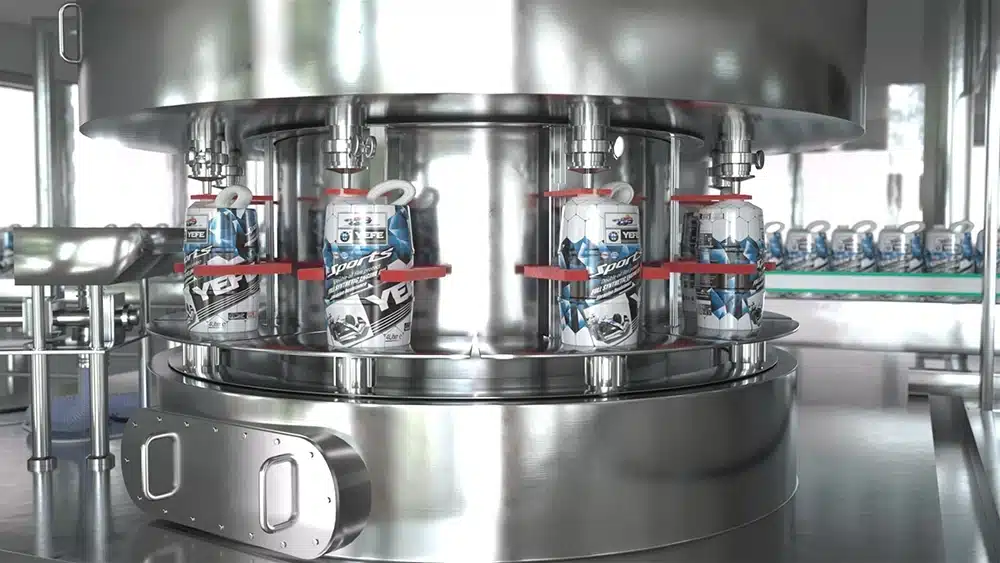
The automated lines of YEFE cut the blending energy per batch by 25 percent, incorporating sensors to enable zero waste production.
Solar-Powered and Renewable Energy Facilities
The transition to renewable energy sources such as solar panels or biomass boilers drives operations on a carbon-free basis. A large number of Chinese and European plants are aimed at 100% renewable utilization, and wind or hydro supplements.
This reduces Scope 2 emissions significantly- the Guangdong plant of YEFE will operate 60% on solar and decrease our total footprint.
Water & Waste Management
Closed loop recycling recycles the use of water at the cooling process, and zero discharge is reached based on ISO 14001. The solvent recovery is done to recover the vapors used again and the waste oil is re-refined at the site. The practices save resources and stop pollution which is necessary in sustainable production.
Sustainable Packaging & Logistics
One-tenth to half of the emissions is through packaging, but the situation is changing. Natural recycled HDPE bottles containing 50 percent post-consumer material save on the use of virgin plastics and lightweight designs save 15 percent on freight weight. Green is further done with biodegradable labels and solvent free inks.
In the case of logistics, diesel is reduced by carbon-neutral shipment by electric fleet or the most efficient routes. Industrial clients use bulk supply and refill programs that do away with single use containers. These are encouraged by YEFE where full lifecycle visibility is provided with QR-traceable packaging.
Circular Economy — Re-Refining and Reuse

Waste is turned into resources by the circular economy. Refining of used lubricants recovers used lubricants and purifies them by vacuum distillation and hydrotreating to re-purify to near-virgin purity. This reduces crude by 80 percent and emissions by 60 percent, which seals the loop.
Other manufacturers have also joined in with recyclers such as YEFE using re-refined bases in formulations. It is hastened by the global policies such as extended producer responsibility, and by the year 2026, the process of creating circular systems will become a standard.
Collaborating for a Low-Carbon Supply Chain
None of the manufacturers goes green unaccompanied- cooperation with the suppliers follows carbon through joint LCAs. Low-impact chemistries are developed by additive partners and biofuels are utilized by the logistics provider. ESG reporting requires the use of transparency, which blockchain guarantees verifiable data with.
Pro Tip: Sustainability should be practiced throughout the whole process all the way to the last mile- audit your suppliers actually to make a difference.
Real-World Example — How One Manufacturer Leads by Example
At YEFE, sustainability begins at the production line, here, with green energy, smart QC systems and streamlined logistic routes that produce minimal emissions and maintain a high quality of products. Plant-ester formulated bio-based engine oils, which reduce CO2 by a half, biodegrade quickly, which are perfect in Southeast Asian and African markets.
We collaborate with local recyclers to collect waste oil and educate train distributors on the benefits of green ecosystem, thereby creating a green ecosystem. This will not only satisfy the regulations, but also create loyalty with environmentally conscious clients.
Quick Fact: A 10 percent increase in blending efficiency will save 50 tons of CO2 per year.
Final Reflection — The Future Belongs to Cleaner Oils

Green lubricants demonstrate that sustainability and performance are consistent, and the industry that was characterized by oil addiction is being redefined. The most important lessons: Go green with renewables, use manufacturing efficiently, and recycle.
The manufacturer of the next generation lubricants, YEFE, is still in search of cleaner and carbon-neutral production and the solution to global markets.