The Core Idea — Oxidation Determines How Long a Lubricant Lasts
Stability of lubricants in oxidation is the unrecognized hero that directly determines the length of time your oil will last before it requires replacement. All lubricants, no matter how sophisticated they are, will degrade with time-time oxidation is the principal cause of lubricant degradation. The chemical process takes place when the molecules of oil intermingle with oxygen, particularly, when heated, pressured and the presence of metal catalysts, a series of reaction takes place that diminish life span.
What is the point of oxidation stability? It is not only viscous but also does not hold sludge and also holds on protective additives which offer good cover to engine and equipment. Low stability reduces the life of oil by half in high heat engines or hydraulic systems, which raise maintenance expenses and unavailability.
In YEFE, we focus on superior oxidation resistance formulations to provide longer service under a wide range of applications.
What Happens Inside the Oil — The Chemistry of Oxidation

The Oxidation Process
What is oxidation at engine oil? It is a domino effect where oxygen combines with the hydrocarbon molecules of the base oil, which is precipitated by heat and results in the generation of free radicals. These radicals spread forming acids, varnish and sludge. It gains speed beyond 100 deg C typical in engines, turbines, and compressors.
Sequentially: Breakdown begins by exposure to air and heat to cause polymerization (thickening) and the formation of acid. The result? An oily mixture that is viscous, polluted, and causes the filter to become clogged and also decreases the lubrication efficiency. Simply put: Base Oil + Oxygen + Heat – Acids + Sludge + Varnish.
Conditions that Rapidly increase Oxidation.
Some of the factors that influence the stability of oil are high operating temperatures, foaming entrainment of air, the presence of metal catalysts such as iron or copper in engine parts, presence of water or fuel, as well as long drain intervals. These increase degradation in damp or dusty surroundings.
Pro Tip: Every 10degC rise in operating temperature doubles the rate of oil oxidation- illustrating the importance of the cooling systems.
How Oxidation Damages Engines and Equipment

The effects of oxidation are both minor and dramatic. When oil becomes thick due to polymerization, flow becomes slower and components of lubrication are starved, which leads to wear. The accumulation of acids erodes bearings, valves, and seals, varnish and sludge block passages, resulting in overheating or blocked filters.
Consider oxidation to be rust to oil, it gradually gets rid of protective characteristics, diminishing additive effect and causing metals to fatigue. This can be unplanned downtime in an industrial environment, and reduced engine life in a vehicle. Oxidative prevention of lubricants in formulations ensures that the principle is prevented, ensuring a clean and efficient work.
Measuring Oxidation Stability — Key Test Methods
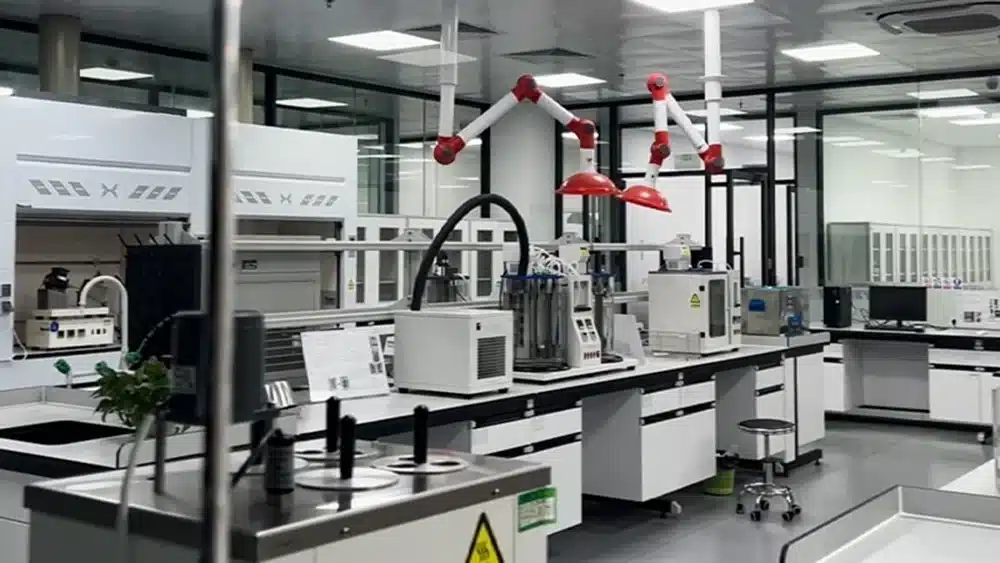
Methods of oil oxidation tests will give quantifiable data of stability. TOST (Turbine Oil Stability Test, ASTM D943) is a test that provides an approximation of the stability of the engine and turbine oils in high temperature conditions; water and air over time; the longer the time taken to get oxidation products, the better it is.
Rotary Pressure Vessel Oxidation Test (RPVOT, ASTM D2272) is an evaluation of industrial oils under pressurized oxygen and heat, which is used to predict service life. FTIR (Fourier Transform Infrared) is a chemical analysis that identifies chemical shifts of compounds such as carbonyl compounds that indicate acids. TAN (ASTM D664) is used to monitor the increase in acidity caused by degradation.
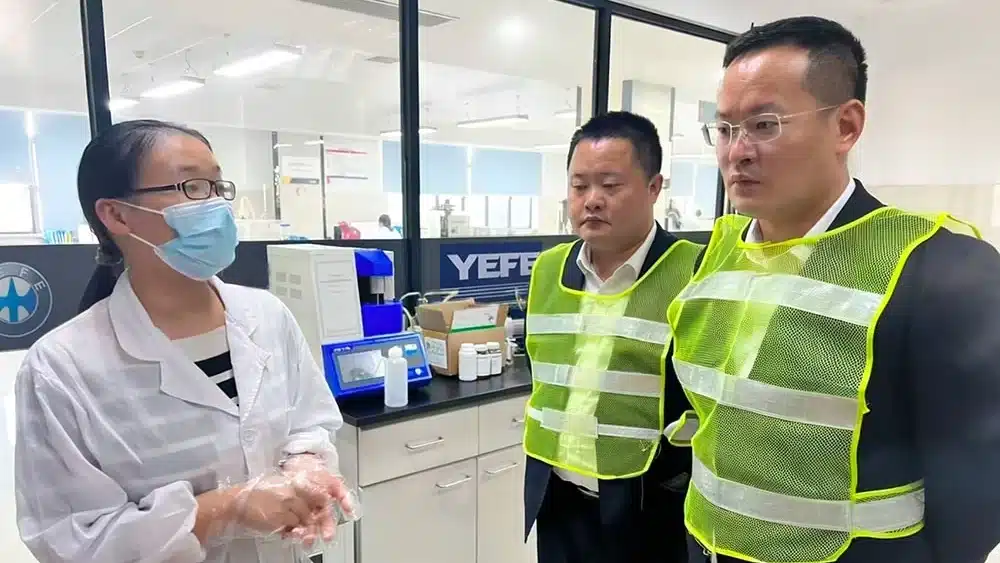
Such oxidation test techniques ASTM D943 D2272 assist the manufacturers such as YEFE to test their formulations, as oils resist real-life stresses and sustain long periods of time.
| Test Method | Standard | Description |
| TOST | ASTM D943 | Measures time until oil oxidation occurs under heat and air exposure |
| RPVOT | ASTM D2272 | Evaluates oxidation resistance under high temperature and pressure with oxygen |
| FTIR Analysis | — | Detects chemical changes (carbonyl compounds, acids) |
| TAN (Total Acid Number) | ASTM D664 | Indicates acidity growth from oxidation |
Engineering Oils to Resist Oxidation
The Role of Base Oils
Stability is based on base oils. Artificial materials such as PAO (polyalphaolefines) or esters are superior to mineral oils because their molecules are uniform and therefore not prone to thermal cracking and evaporation. Group III and IV synthetics have excellent retention time of viscosity which can be used in high temperature applications.
Conversely, mineral oils wear out readily under pressure. In our case at YEFE, we choose high-purity synthetics to formulations that are intended to go to the extreme climates that increase life by up to 5X over basics.
The might of Antioxidant Additives.
The frontline defenses are antioxidant additives. Phenolic forms prevent initiation by counteracting the initial radicals and amino acid antioxidants put to rest the propagation chains. Blended systems are used to achieve protection on a wide scale against thermal and oxidative pressure.
These increase the length of drain intervals by preventing threats before escalation. What to do to avoid the oxidation of lubricants? Use zinc-free or ashless antioxidants to make oils environmentally friendly and long life.
Cumulative Synergy and Expertise Blending.
The stability is not the result of a single additive, but the result of mixing. Deposits are washed with detergents, oxidants, contaminants suspended by spreading, and also protect the base with antioxidants. Excessive use may cause imbalances, such as deposits due to overuse of phenolics hence accuracy is important.
The R&D of YEFE simulates lab tests to optimize blends, which are stable without reducing flow or wear protection.
Field Impact — Real-World Performance Advantages
Stability to high levels of oxidation corresponds to real benefits: Long change periods mean waste and cost reduction, and clean internals mean no breakdowns. In compressors or heavy duty trucks, stable oils keep the viscosity of oil constant even in heat, cleaning up sludge and prolonging the wear of components.
In the tropical areas, it implies a good defense against oxidation caused by humidity. YEFE would be tested under simulated conditions and would refine the formulas used in desert or humid market conditions and would also lead to less failures and to more satisfied clients.
How Users Can Prevent Oxidation in Daily Operation
End-users play a role too. Just follow the advice to prevent excessive exposure. Contaminants are reduced through clean air filters and seals. Oils should be kept in closed containers that are not exposed to sunlight to reduce air exposure.
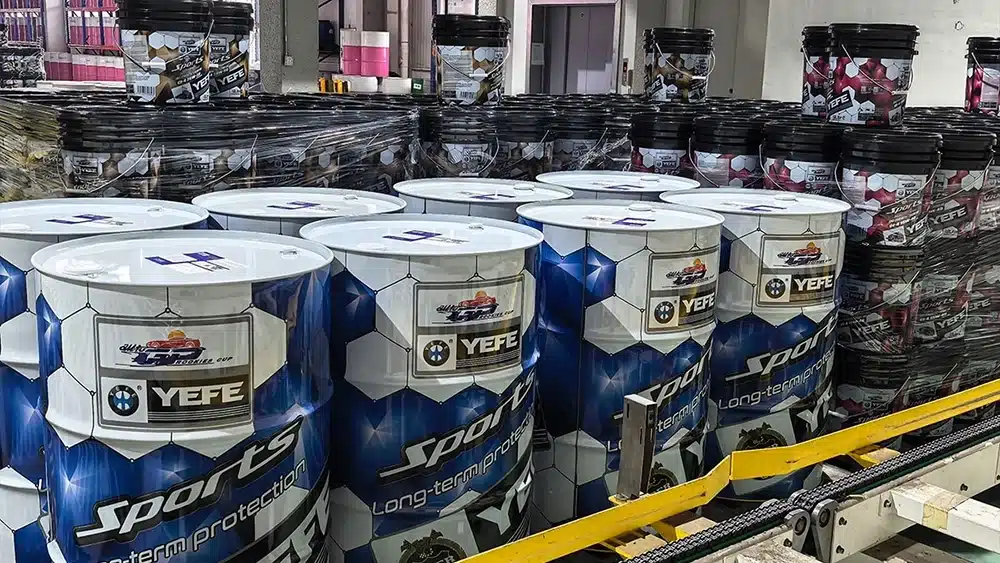
Use synthetics where hot, and drums or IBCs where in bulk to minimise oxidation. These measures together with the use of good quality lubricants extend life.
Final Reflection — Oxidation Stability Is the Secret to Longevity
The stability of oxidation is not simply a laboratory value but it is what extends the longevity of engines, machines, and business. Stable lubricants provide predictable protection, reducing the costs and downtime by resisting degradation.
The commitment of YEFE is in-house testing using ASTM D943 and D2272, hot/humid market precision blending, and API compliant formulas with traceable quality control.
The oil is the more stable it is the more reliable the performance, and that is where quality counts.