

This does not matter in the quality of oil but in the performance of the 0W-20 and 5W-30 engine oil in the temperatures and engine requirements. They both are high quality multi-grade oils that are commonly used in passenger car operations in the modern world of operation, however, they fulfil different operational requirements. The most important ones are associated with the low temperature flow behavior and the high temperature viscosity behavior.
A good deal of drivers think that there is a universal improvement in one or the other of the viscosity grades. The real life practicality is purely based on the engine design, climate and the terms of operation. The issue of 0W-20 versus 5W-30 engine oil will depend on the knowledge of how the viscosity influences the engine safety in particular temperature and load circumstances. The comparison assists the owners, technicians and fleet managers to make informed decision based on application.
Understanding the Viscosity Difference Between 0W-20 and 5W-30
SAE viscosity grade informs us the exact way in which an oil would act under both extremes of temperature. The pre-w (winter) figure is a cold-flow performance, and the post-w figure is the operating viscosity at 100 o C.
In 0W-20, the 0W actually represents spectacular flow at very low temperatures- down to a lowest of about -35 o C in most formulations. The viscosity at operating temperature is less due to the 20. By comparison, 5W-30 (5W) offers excellent cold flow (usually consistent to -30 o C) and the 30 indicates that it will remain relatively high in viscosity at high temperature.
This variation has a direct influence on the thickness of the oil film. The smaller the operating number, the thinner the film formed, which results in less internal friction. The increase in the number causes a stronger and thicker film to develop when subjected to pressure or heat.
Here is a clear comparison:
| Viscosity Aspect | 0W-20 | 5W-30 |
| Cold-start flow | Excellent | Very good |
| Operating viscosity | Lower | Higher |
| Oil film thickness | Thinner | Thicker |
The 0W-20 thin film minimizes pumping losses and aids the fuel economy, whereas the 5W-30 thicker film provides an additional reserve in challenging environments.
Cold-Start Performance and Low-Temperature Behavior
The cold-start lubrication is important since most wear on the engine takes place during the initial few seconds following ignition, when not all the oil is flowing. The reduced lower W ratings permit higher flow rates, which go to bearings, camshafts and piston rings quickly.
0W-20 is a better product in this regard because it is more pumpable in freezing. It spreads quickly, having less metal to metal contact during winter cold starting or during short runs where the engine may not be at full operating temperature, and it flows more slowly than 0W-20 below -20 C, which causes a slight higher risk of initial wear in the lowest extreme temperatures.
The following is the effect that conditions have on preference:
| Condition | Preferred Grade |
| Cold climate starts | 0W-20 |
| Frequent short trips | 0W-20 |
| Mild climates | Either, depending on engine |
Where cold weather occurs or the number of cold starts is high, 0W-20 can result in quantifiable benefits in the form of reduced startup wear.
High-Temperature Protection and Engine Load
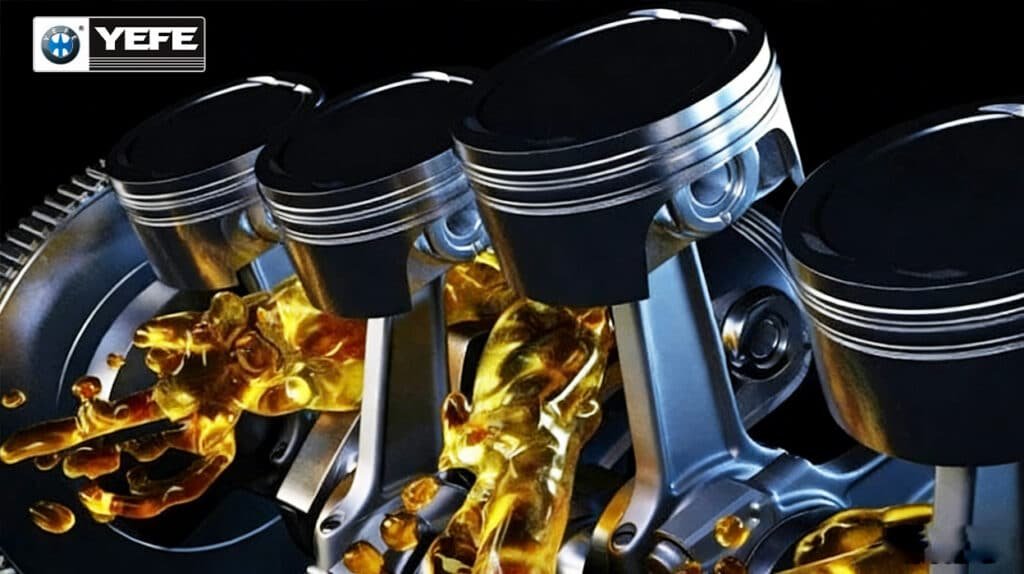
Viscosity establishes film strength at heat, load, and shear, and in the matter of heat, 5W-30 has a higher viscosity that creates a more substantial oil film that cannot be broken down through prolonged high-speed driving, towing, or heavy load.
This thickness is an advantage in a higher wear resistance in high-stress engine use, like in a turbo-charged engine, or in a hot climate where the temperature of the oil rises; 0W-20, being thinner at operating temperature, has a better efficiency, but must have a smaller safety margin in extreme heat conditions or during heavy use.
The following is a breakdown by condition of operation:
| Operating Condition | More Suitable Grade |
| High engine load | 5W-30 |
| High-temperature operation | 5W-30 |
| Moderate operating stress | 0W-20 |
There is also a factor of thermal stability and shear resistance but the essence is that 5W-30 has a greater emphasis on high-temperature solid film strength.
Engine Design and Manufacturer Considerations
Contemporary engines are designed bearing in mind a particular viscosity. Showing low-friction designs, tight tolerances, and direct-injection, many newer passenger cars are taking advantage of low-viscosity oils such as 0W-20. Such engines are designed to achieve low pumping losses and high fuel economy to suit high requirements of efficiency.
Such designs have 0W-20 specified by manufacturers to allow appropriate flow through narrow passages and appropriate operation of variable valve timing or turbo systems. Engines of earlier design or those designed with a wider clearance can even take or even run better with 5W-30 since the heavier oil can sustain sufficient film at the slacker tolerances.
It is never worth deviating with regards to viscosity as doing so may compromise the warranty, efficiency, and the longevity of the vehicle.
How Driving Conditions Affect the Choice Between 0W-20 and 5W-30
Patterns of driving have a significant effect on the grade that will give the most effective outcomes. Where stop-and-go traffic is a fact in the urban setting, with severe cold starting frequently, 0W-20 can flow faster, making it serve as a wear-reduction measure since wear is experienced on repeated short cycles. Stable highway driving requires 0W-20 to have superior fuel economy due to its lower friction.
In most cases, mixed-use driving is suitable to either of the grades based on prevailing circumstances. Scenarios that are heavy duty or have high load such as towing or mountainous roads favor 5W-30 due to its stronger film under load.
With a broad selection of 0W-20 and 5W-30 engine oil options, consult manufacturer-approved formulations tailored to different climates and applications.
Common Misconceptions About 0W-20 and 5W-30
A number of myths live in relation to these grades of viscosity:
- Smaller oil always entails reduced insurance – Not true. In engines designed to use higher viscosity modern 0W-20 oils are developed with sophisticated additives to provide a high standard of wear protection in the face of reduced viscosity.
- An increase in viscosity can never hurt the engine life – The thicker the oil used than the recommended viscosity, the more friction there is, the worse the fuel economy, and the tight-fit components may run short of oil.
- There is a single grade applicable to all engines Viscosity choice is application-specific. The best fit is dependent on engine design, climate, and duty cycle; there is no universal grade that is superior.
Knowledge of these points will avoid expensive errors and provide the correct lubrication.
Conclusion — Selecting the Right Grade Based on Application

The 0W-20 and the 5W-30 engine oils are both technically good and can give good coverage when they are applied to the correct application. It is reduced to balancing the behavior of viscosity with engine needs, ambient temperatures, and driving needs.Through concentrating on the performance of the various grades in cold start, high temperature performance and load, the owners and professionals are able to attain optimal engine reliability and efficiency. In the long term, it is always advisable to use manufacturer specifications and real-life operating factors to achieve optimal outcomes.