
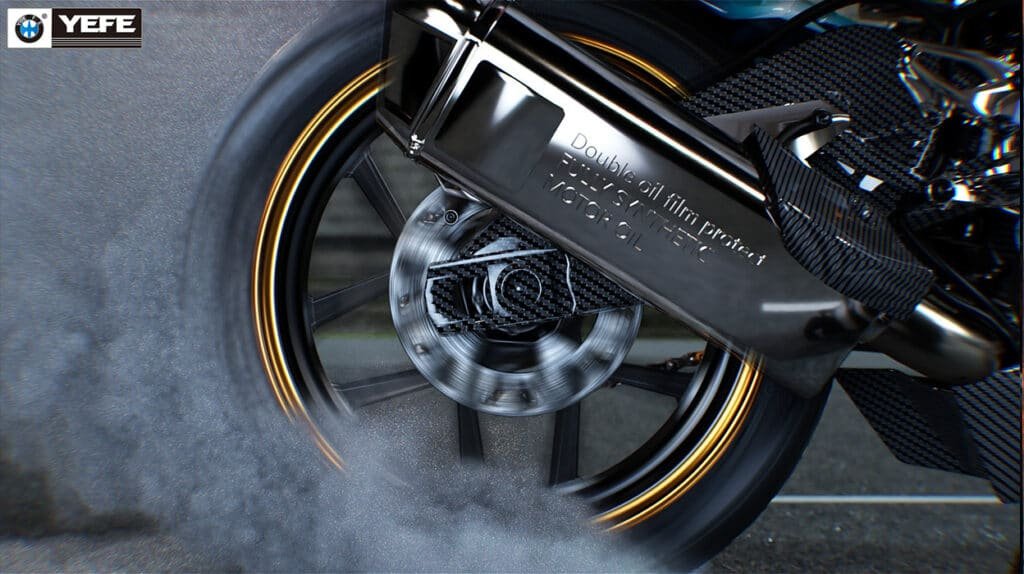
The choice of brake fluid should depend on the type of vehicle, load on the brakes, and the nature of operating environments, not every vehicle has the same requirements on brake fluid. Various classes of vehicles present a different thermal and hydraulic pressure on the fluid. On the passenger cars, moderate intermittent braking is experienced every day during commutes but the trucks have long-lasting heavy-load braking and motorcycles experience high heat accumulation in small systems. The use of brake fluid without paying attention to the type of vehicles will cause more risks of brake fade, degradation of fluid and soft drinky braking performance.
Most drivers think that the specifications of brakes fluid can be used interchangeably in all vehicles. Actually, the braking loads differ greatly by the type of vehicle, and installing a fluid designed only to work in lighter-duty vehicles on a heavy truck or a high-performance motorcycle can make the car unsafe.
Why Vehicle Type Matters in Brake Fluid Selection
The basic requirement of a brake fluid is determined by its vehicle type as this is the direct determinant of heat production, pressure in the system, and the strain on the fluid.
The heavier vehicles produce greater kinetic energy, which has to be changed to heat by using the braking. Regular or prolonged stops – used in commercial applications – increase the rate of fluid heating and moisture effects. The design of braking systems differs as well: larger car models tend to have a larger fluid reserves and stronger parts whereas smaller ones tend to be even more sensitive to the variations in the fluid state.
The following are the critical factors:
| Vehicle Factor | Effect on Brake Fluid |
| Vehicle weight | Higher thermal stress |
| Brake system size | Fluid volume and heat dissipation |
| Operating load | Boiling point demand |
| Usage pattern | Degradation speed |
These variations imply that a fluid that is working well in a passenger vehicle could fail sooner when subjected to the sustained loads of a loaded truck or the heat exposure of a motorcycle caliper.
Brake Fluid Requirements for Passenger Cars
Passenger cars have moderate demands on brake fluid, and the braking events are usually brief and not followed by cooling intervals in the normal commuting and highway driving.
Modern passenger cars generally require either DOT 3 or DOT 4 brake fluid, which have sufficient dry and wet boiling points (a minimum of 205230 o C dry boiling point per FMVSS 116 standards) to be used in everyday use. Water resistance is also a significant factor, with hygroscopic glycol based liquids taking on water over time leading to a decreased wet boiling point which will cause vapor lock when the engine is occasionally placed at a dead stop.
In normal circumstances – city driving, some highway work, 2 year or 30000-40000 miles of fluid will ensure that there is not too much damp build-up nor that there is a change in pedal feel and braking action.
Brake Fluid Requirements for Trucks and Heavy-Duty Vehicles
Heavy trucks and commercial vehicles require a brake fluid that is able to sustain very high thermal and mechanical loads compared to passenger car requirements.
Having far greater gross vehicle weights and with frequent braking under load – down hill descents, stop and go traffic, or frequent stops with trailers – brake parts spend a good proportion of their time at high temperatures. This puts more emphasis on the stability of boiling point to avoid the formation of vapor and brake fade.
In such applications, more powerful DOT 4 or DOT 5.1 fluids (with a better wet boiling point) will usually offer a greater margin against heat related problems. Typically longer duty cycles and exposure to contaminants also increase the importance of moisture control and oxidation resistance, a brake fluid for trucks Long duty cycles and contaminated environments demand constant high-temperature operation to provide reliable stopping force to be used in challenging fleet applications.
The replacement intervals in severe service are normally shorter and are usually geared towards the strict maintenance procedures to prevent wear and tear, which may result in a decrease in braking efficiency.
Brake Fluid Considerations for Motorcycles
Motorcycles demand a fast and reliable response of the motorcycle brakes fluid, since slight variation in the state of the fluid can be observed to have a significant impact on the braking efficiency.
Reduced caliper dimensions and reduced fluid volumes imply less thermal mass and as such, heat associated with braking is quickly exchanged with the fluid. Motorcycles also encounter higher exposure to the external heat, and road water as well as the moisture. This renders them quite susceptible to absorbing water and thus reducing boiling point hence spongy pedal feel or vapor lock when riding aggressively or in case of an emergency braking reaction.
There is generally a general recommendation of DOT 4 (and even higher than the minimum basic DOT 3 requirements), and many high-performance or sport models take advantage of the fact that fluids with higher dry/wet boiling points are available. Regular check and change – every 1- 2 years, or less in wet or track racing instances – is used to ensure the cutting edge sharpness in the progressive nature of the braking response upon which the motorcycles rely.
Comparing Brake Fluid Demands Across Vehicle Types
The analysis of comparisons between the demands of the categories will outline the reasons why a one-size-fits-all approach will not provide the best safety and longevity.
| Vehicle Type | Braking Load | Fluid Stress Level | Maintenance Sensitivity |
| Passenger cars | Moderate | Medium | Standard |
| Trucks | High | Very high | Critical |
| Motorcycles | Variable | High | Very sensitive |
Passenger automobiles can withstand normal intervals and fluids moderately well. The boiling point retention and degradation resistance cannot be compromised in trucks because fluids need to be engineered to endure extreme sustained heat and load. The motorcycles are also low-absolute load items though requiring attentive maintenance because the fluid volume is low and any kind of fluid damage is immediately noticed. These differences inform more knowledgeable decisions of maintenance, like changing the time of the flush or using fluids that have the right specifications to the actual use of the car.
Common Mistakes When Using the Same Brake Fluid Across Vehicles
It is incorrect to assume that a single brake fluid is capable of working in all types of vehicles because the conditions of work are very different and can be affected in a way that can be prevented.
- Making assumptions that DOT rating can be used and no additional load and heat exposure on the vehicle.
- Not considering the difference in braking requirements like a passenger-car-like fluid in heavy-duty trucks.
- Ignoring thermal requirements in heavy-load or high-stop operation and exposing itself to early fading.
- Use of degradation in heavy-duty or sensitive applications where degradation occurs at a higher rate.
Such failures decrease the safety margins and may lead to uneven performance at a time when it is the most required.
Conclusion — Vehicle-Specific Brake Fluid Selection Improves Safety

The braking performance of any vehicle requires the choice of brake fluid that fits the requirements of the vehicle and not a universal braking fluid. The decision between convenience and generic assumptions should be determined by load, heat exposure and usage patterns. Given these car-specific needs, a moderate daily operation in a passenger car up to extreme sustained braking in a truck and sensitive response in a motorcycle, the owners, fleet managers, and technicians will be able to adjust to safer and more consistent braking systems in the long term.