
Let’s Clear It Up — Coolant and Antifreeze Aren’t Identical
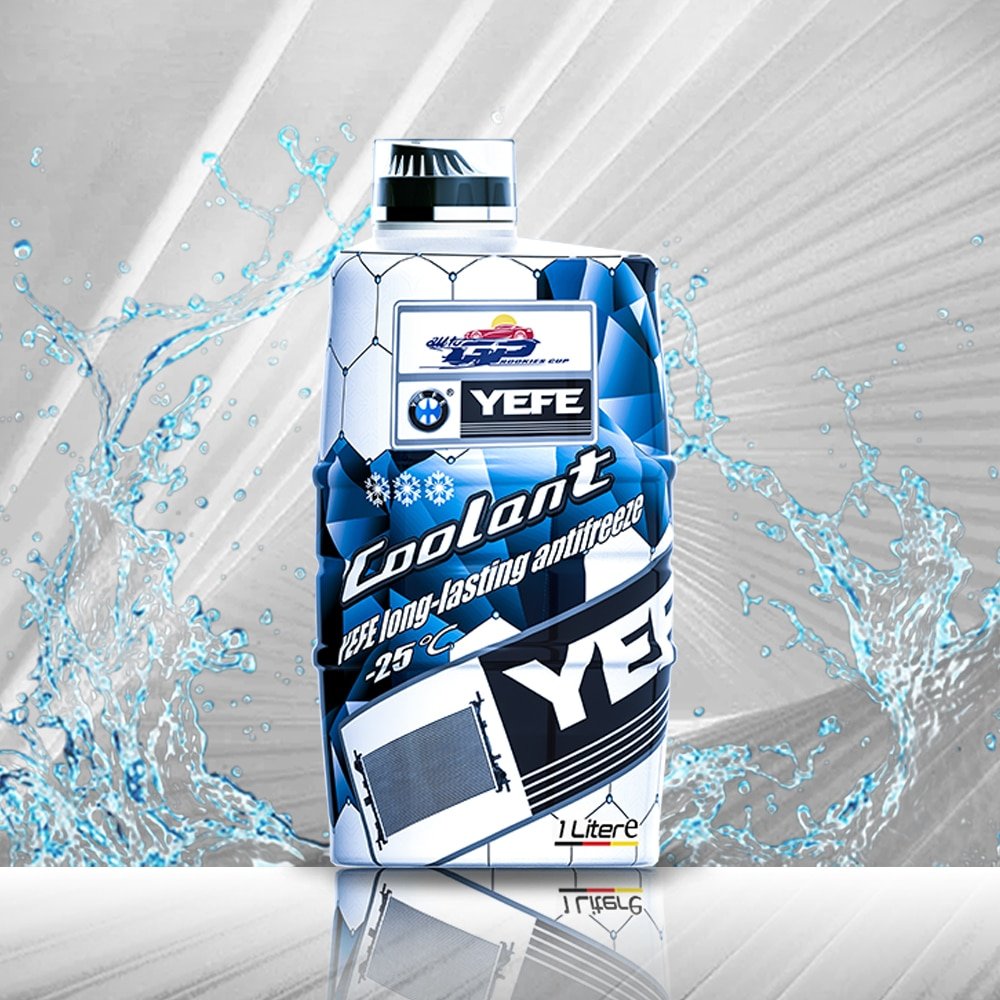
Coolant vs antifreeze – it is one of the most frequent misunderstandings of car owners and even some mechanics. The main distinction between the coolant and antifreeze is easy to understand: antifreeze is the concentrated chemical base which decreases the freezing point and increases boiling point whereas coolant is the diluted and ready to use mixture of antifreeze and water that is poured into your engine cooling system. The two are important in controlling the temperature of the engine to avoid overheating during summer days, and freezing during winter days and avoiding corrosion in the metal components such as the radiator and water pump.
Essentially, the only difference is that the antifreeze is your ingredient and the coolant is your end product that your car utilizes. Knowing this would give you the correct engine coolant or antifreeze types to use in your vehicle, without needing to pay a lot of money in repairs. It is either a fluid in the car cooling system to ensure a successful daily commute or the weather is extreme, regardless of the conditions, it is all the same as it is all about getting it right so that there is smooth performance throughout the year.
How the Cooling System Works
The engines produce enormous amounts of heat during combustion up to 2,500degC in the cylinders and this heat may bend metal or produce knocking unless it is controlled. The cooling system intervenes: coolant takes this heat away as it passes in engine channels and passes to radiator where it is taken away either by air or fans. Flow control is controlled by the thermostat to maintain temperatures of about 90-100degC, which is optimum.
In the absence of effective fluid, overheating causes broken gaskets or frozen pistons, whereas blocks cracks when frozen. During my years of mixing automotive fluids I have observed the effect which the proper coolant can produce; on wear and the consumption of fuel. It is not a matter of temperature only, it helps to avoid the formation of scales and greases the water pump to last long.
What Is Antifreeze?
Antifreeze is a liquid derived, highly concentrated solution, usually of ethylene glycol or propylene glycol, that is meant to modify the characteristics of water to suit extreme conditions. Ethylene glycol or propylene glycol antifreeze: the first one is more popular and efficient but more toxic, and the latter is not so effective in extreme cold, but it is safer to pets and the environment.
Its primary job? Reduction in the freezing point (down to -50degC on mixes) and increase in the boiling point (up to 130degC) and additives such as corrosion inhibitors to protect aluminum, copper and iron parts. The color represents the formula, green is older technology and orange is modern. I am a specialist, and I would always emphasize to look at specs; having a wrong type may erode seals with time.
What Is Coolant?
Coolant is simply antifreeze mixed with distilled water forming blend that is excellent in transferring heat as well as offering protection. Water is a better conductor and better at conductivity than oil, but without antifreeze, water will freeze at 0C or boil at 100C, which is too low and too high to be in engine use. A common 50/50 blend provides a freeze point rating of -37 deg C and a boiling point rating of 129 deg C at pressure.
Premixed coolants are easing shelves doing away with all guesswork. In my case of distributors supply, this ready-to-wear format has minimized errors in the garages. It is advisable to always use distilled water to avoid minerals that bring about scaling; tap water may present some form of contaminants that create clogs.
Types of Coolant and Antifreeze Formulations
Coolants and antifreeze are available in the different chemistries, appropriate to the particular engines. Substitution of the suitable type will eliminate compatibility problems and assure maximum protection.
IAT (Inorganic Additive Technology)
The typical formula is IAT that is commonly green or yellow in which silicates and phosphates are used to control corrosion. It is cheap and works well on older cast-iron engines but requires replacement every 2 years or 50, 000km because the additives wear out easily. It is common in old cars and it creates a protective coating, although it may become gel-y when applied excessively.
OAT (Organic Acid Technology)
OAT which can be orange, red or pink is based on organic acids to provide protection with more life-span-to 5 years or 240,000 km. It fits aluminum engines in more modern cars, it has superior heat resistance and does not have silicates that could wear out pumps. Out of testing blends, OAT performs well in high mileage.
HOAT (Hybrid OAT)
HOAT integrates both inorganic and organic technologies mainly blue or yellow to achieve hybrids. It also offers hard silicate protection and long life (5 or more years) and is compatible with European and Asian models such as BMW or Honda. This flexibility renders it an M flex favorite.
| Type | Color | Lifespan | Key Feature | Typical Vehicles |
| IAT | Green/Yellow | 2 Years | Basic protection with silicates | Older models |
| OAT | Orange/Pink/Red | 5 Years | Long life, aluminum-friendly | Newer cars |
| HOAT | Blue/Yellow | 5+ Years | Hybrid additives for broad compatibility | European/Asian vehicles |
Mixing Ratios and Seasonal Adjustment
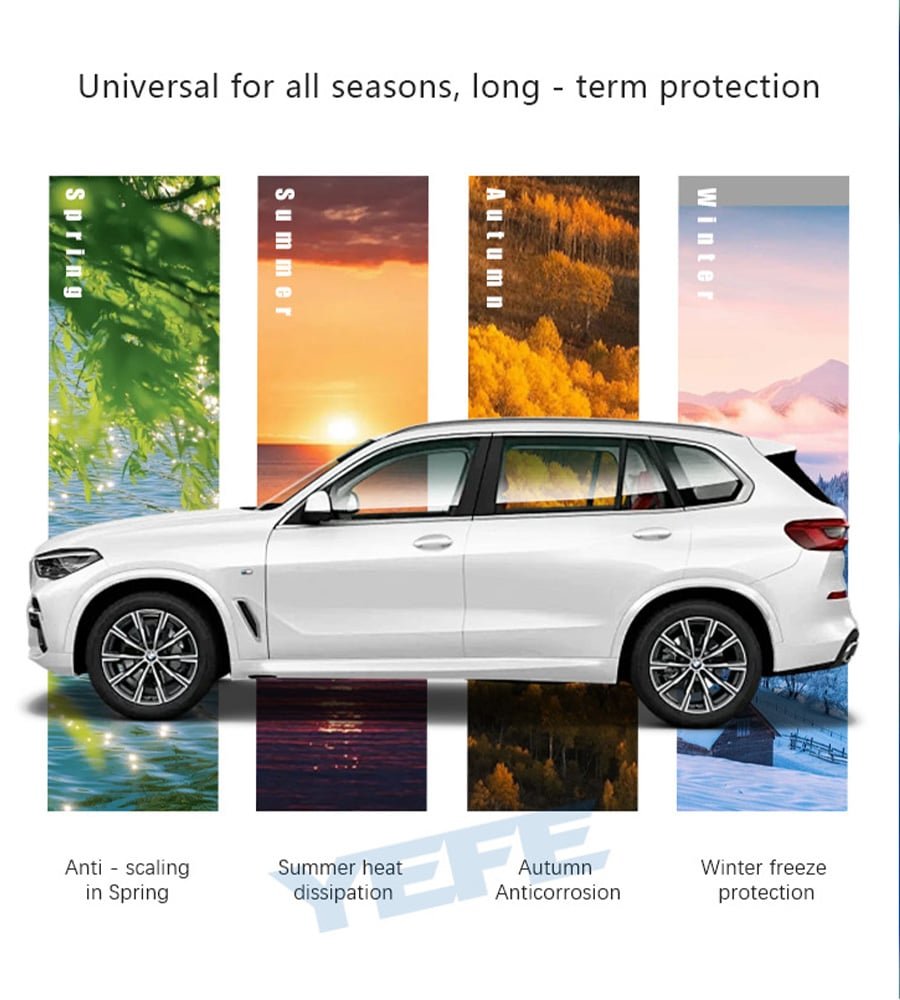
How to mix coolant and water? Use 50/50 balance protection during mild climatic conditions- antifreeze deep protection of freezing and boiling, water deep protection of high heating. When it is very cold, add more antifreeze (antifreeze-to-water) until it reaches 70/30, before it will freeze at -60degC, however, exceeding 70% antifreeze will not conduct heat well, and so it can easily overheat.
This is made easier by pre-mixed products, however, in case of concentrate, distilled water should always be added. Seasonal adjustments help: in places where hotter weather is the norm, adjusting to 40 / 60 will be more effective. I have recommended it to mechanics:–industrial ratios are not to be followed, will result in inefficient systems; or will result in in some human destructive by an uneven supply of inhibitors.
Hint: Red and orange coolants should never be mixed together, their inhibitors may interact to form a gel, which plugs radiators.
Choosing the Right Fluid for Your Vehicle
Which kind of coolant to place in my car? The owner manual or reservoir top has the answer, always consult either of these and it will show IAT, OAT, or HOAT in accordance to engine stuff. In cold climates higher proportions of antifreeze in OAT formulas are important to achieve a dependable start; high proportions of 50/50 HOAT provide assurance of boil-over in hot climates.
The first rules are compatibility – coupling chemistries results in sludge, which invalidates warranties. Popular causes Byword, Older domestics preferences hinge on IAT green; the contemporary imports are pro-OAT orange. As an expert in fluid, I would suggest OEM approved options to prevent pitting in the aluminum heads.
Maintenance Tips and Warning Signs
Maintenance manual coolant rule: Inspect coolant at minimum every month through the reservoir– low volume is an indication of leaks. Alteration of 2-5 years / IAT more often; OAT/ HOAT less often; averages IAT first and OAT/ HOAT second in case of heavy driving. Switching types Before proceeding seeds flush the system away.
Warning signs? Contamination is noted by rusty or milky coolant, overheating is observed as evidence of a circulation problem, and a sweet smell is an eventual emission of leaks (toxic–be careful). The fluid contains debris, which is indicative of corrosion. Periodic check-ups will save major fixes; I have witnessed the broken systems being left off profoundly, this meant thousands spent repairing the head gasket.
Environmental and Safety Considerations
Ethylene glycol antifreeze is very toxic- when it is ingested by an animal it may end up being fatal, therefore store it securely, then clean up any spills. Alternatives of propylene glycol are less toxic and biodegradable and are finding popularity in the eco-friendly markets.
Do not dispose into sewers, dispose at recycling centers; it contaminates waterways. Biodegradable coolants that are emerging employ the use of plant-based inhibitors in order to perform greenerly without compromising the performance. First aid: Put on gloves, and irrigate with water of eyes/skin.
Expert Recommendation — Stay Consistent and Follow OEM Guidelines

In short, the fundamental distinction between the two antifreeze and coolant is that antifreeze is the 100 percent base and coolant contains this especially concentrated mix that will go into your engine. Do follow OEM instructions, correct ratios and similar kinds to prevent corrosion, overheating and damages.To have safe alternatives, refer to such suppliers as YEFE which sells ready-made coolants and antifreeze concentrates depending on the climate and type of engines. However, study further with How to Select the Right Grade of engine oil to use in the hot and cold climate, Industrial Hydraulic Oil: Key Performance Properties Explained or Quality Control in Lubricants: Testing, Traceability and Compliance.