

When selecting the correct grade of engine oil to be used with a hot and cold climate, the selection is not based on the brand, but instead it is based on the needs to match the viscosity behavior with actual operating condition and temperature. One of the most significant aspects of the engine oil grade choice is climate since changes in temperature by extremes significantly change the ways of oil flow and protective action of the internal parts. Applying the incorrect grade cause either excessive cold-start wear in low temperatures where oil is viscous and cannot circulate, or leads to oil thinning, rapid oxidation and degeneration of protective films in high temperatures. Most drivers and even professionals believe that a single oil grade fits all places and thus they act upon vehicle manuals or local market practices without looking at what the real exposure is. Factually, selection of engine oil grades should be adopted in accordance with the actual temperature exposure, not as advised and as convention, to avoid early wear and as well preserve engine reliability.
Why Climate Conditions Directly Influence Engine Oil Grade Selection
Engineer oil grade directly depends on climate conditions since they determine the variation of the viscosity between ambient start-up and full operating temperature. Ambient temperature is that of the surrounding air during engine start and operating temperature is the temperature that the oil in a running engine receives (it is frequently 90 of 120 C or more). Under extreme temperature, oil can be too thin, which effectively decreases the strength of the films and provides contact between metals. At the lowest temperatures, the oil solidifies, slowing down the movement to vital components, such as bearings and camshafts, on the crucial first seconds of start-up.
The result of this immatch will be premature engine wear: in cold conditions, startup damage is abrasive and accumulates during thousands of cycles of engine operation, whereas in hot conditions, the oxidation of oil will accelerate to overcome sludge, and lose the quality of protection. Such fleet feedback, with desert operation or winter cases in the north, demonstrates that such negligence of such differences will reduce engine life considerably.
To be among the full selection of choices that should meet the temperature range of many situations, explore our engine oil products to find formulations designed for diverse temperature demands.
Understanding Engine Oil Viscosity and Temperature Behavior
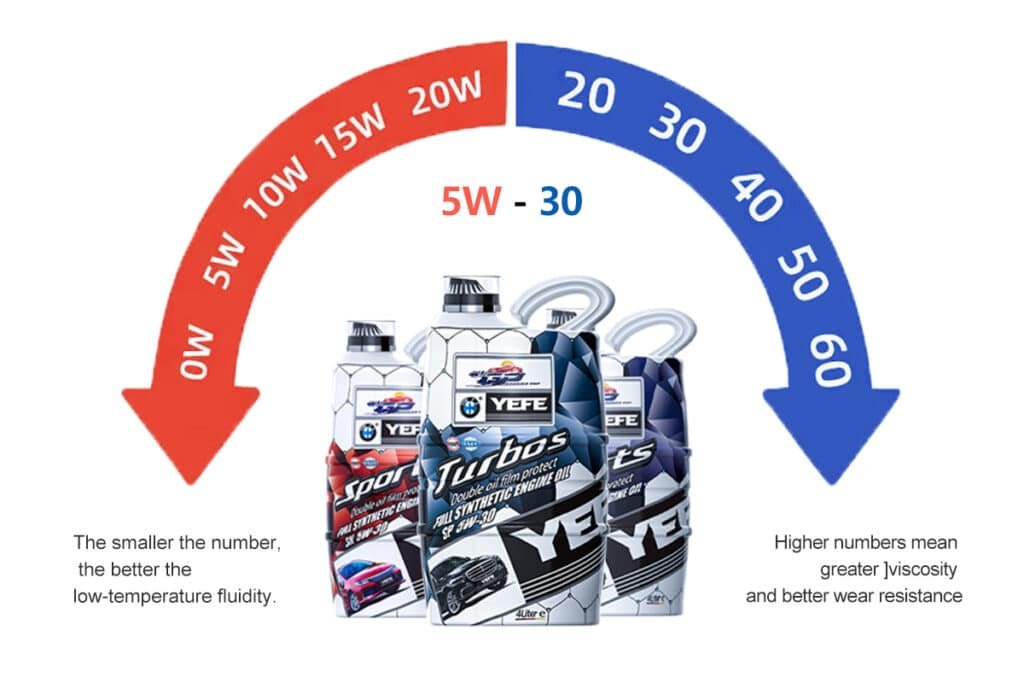
Viscosity is the degree of how solid or slim a given oil can be considered, the degree of resistance to flow or the ability to pass through an engine and operate effectively despite vast temperature changes. Practically, the good viscosity will provide good lubricating film under high heat conditions and rapid flow during cold start ups.
All oils become thinner with an increase in temperature since there is the movement of the molecules, though the rate is different. The viscosity should also be steady to avoid being over thin, and to avoid being over thick, in hot and cold respectively. Here in comes the engine oil viscosity index; when it is higher then the change is less drastic and therefore the performance of the engine becomes better in general.
The major difference is between cold cranking viscosity (behaviour of oil in the startup period) and high-temperature protection (strength of the film when at the load position and heat). Cold cranking is concerned with pumpability and flow to prevent dry starts and high-temperature requirements are concerned with shear and thermal stress in terms of thickness.
The following is a brief summary of the effects of temperature:
| Temperature Range | Viscosity Behavior | Engine Risk |
| Extreme cold | Oil thickens dramatically | Cold-start wear, poor flow |
| Moderate | Stable flow | Normal protection |
| Extreme heat | Oil thins significantly | Film breakdown, oxidation |
Comparing Common Engine Oil Grades Used in Hot and Cold Climates
Multi-grade oils are available to fill the gap between cold and hot working through viscosity index improvers: polymers which swell with temperature to resist a tendency to thin naturally. This technology will enable a single oil to act as a thin grade when it is winter and as a thicker compound during summer.
It is easy to read between 5W-30 and 10W-40: the grade before W (winter) is the cold flow (the lower, the better in cold) based on cold cranking simulator tests. The postnumber indicates high viscosity at high temperature (100 o C) (greater number = more protection during heat exposure).
For detailed differences, see our guide on 5W-30 vs 10W-40 engine oil.
The typical grades and their appropriateness are:
| Oil Grade | Cold Start Performance | High-Temp Stability | Typical Climate |
| 5W-30 | Excellent | Moderate | Cold / temperate |
| 10W-40 | Moderate | Strong | Hot climates |
Selecting the Best Engine Oil Grade for Extreme Heat Conditions
High temperatures under extreme heat increase oxidation, disintegrating the molecules in the oil, thus leaving deposits that when blocked passages, leading to lesser protection. Lubricity retention in elevated temperature is needed to ensure film thickness under shear forces in bearings and pistons.
Greater second numbers (such as 40 or 50) are beneficial but the quality of base oils and additives is more critical to long-term stability. Advanced or synthetic type of formation is resistant to thinning and oxidation.
To learn more, consult the information sources on the best engine oil grade in extreme weather and the reason why hot climate engine oil grade selection emphasizes oxidation resistance.
Choosing the Right Engine Oil Grade for Cold Starts and Low Temperatures
In any event, cold starts are the ones that cause the greatest wear the ultimate engine damage happens during the first few minutes when there has been no oil circulating. Cold cranking viscosity (CCS) and pumpability influence the speed with which the oil reaches parts.
Oils with higher W numbers because they are thicker cause drag in starting up and delayed flow resulting in metal scoring. Low W ratings (0W or 5W) guarantee quicker circulation during sub-zero temperature which maintains wear to a low level.
For practical advice, review our cold start engine oil grade guide.
Matching Engine Oil Grade to Regional Climate and Market Conditions

Selection of oil grade depends on the area due to the nature of the local weather and traffic density as well as the quality of fuels and service periods that have had an impact on real operating requirements. In dusty hot regions where the vehicle moves under stop-go traffic, high temp stability and resistance to oxidation become the main consideration. Cold flow and rapid pumpability cannot be compromised in cold regions where winters are long.
To be able to perform reliably and earn customer satisfaction, distributors and importers have to adjust the offerings to these aspects. To make region-specific strategies, see guides on selecting the right oil grade for your local weather and choosing engine oil viscosity for temperature extremes.
The Role of Base Oils in Hot and Cold Climate Performance
Temperature stability is based on the oils. Group I and II provide simple performance with a variation with temperature. Group III (severely hydrocracked) and Group IV (PAO synthetics) offer better viscosity index, oxidation resistance and flow in extremes.
The higher categories remain consistent over a wider selection, thus, they are used in extreme climatic conditions when the normal oils cannot sustain themselves.
Learn more about this in our explanation of engine oil grade for hot and cold climates.
Conclusion — Climate-Driven Oil Grade Selection Protects Engines Long Term
The keys to selecting the right grade of engine oil to use in hot and cold weather lie in the technical factors that exposure to temperature and viscosity behaviour and engine protection requirements of the engine are not in any case an symptom marketing strategy or a one-temperature-fits-all recommendation. Always give consideration to the actual operating conditions: check the extremes in the area, ascribe consideration to the start up and running temperatures, examine the quality of the base oil and compare the grades. This is an engineering-based orientation that will reduce wear, increase service life and maintain same performance in varied environments. With this knowledge, those in the profession will be able to arrive at informed choices that indeed prevent long-term damage of engines.