
Why MOQ and Lead Time Matter in OEM Lubricant Projects
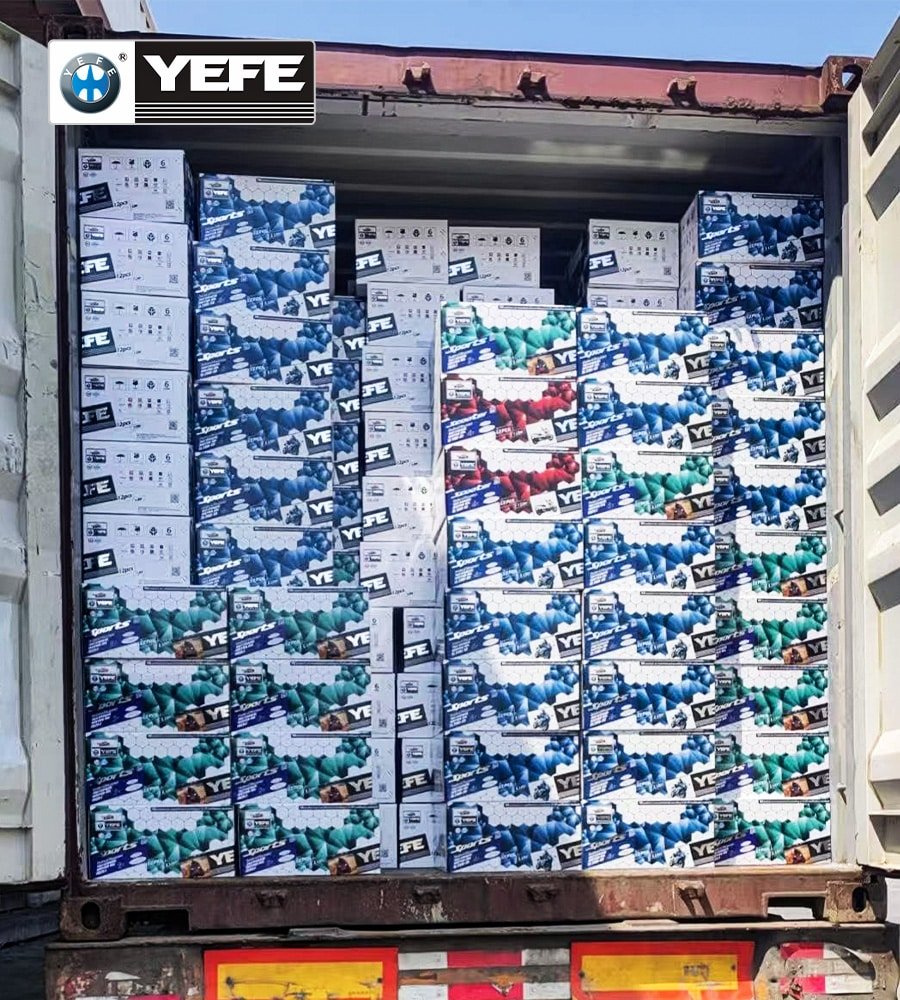
In the context of OEM and the production of private label lubricants, MOQ (Minimum Order Quantity) and lead time are the keys to the efficient functioning and profitable development. To buyers starting with their own label engine oil, these factors will determine your starting investment, stock control and whether you are able to satisfy market demand without wasting money by overstocking or making delayed deliveries. In simple terms, MOQ is a minimum amount of volume a manufacturer can make economically per SKU and lead time is the entire amount of time the company needs to make the order and be ready to ship.
Miss on them and you have either cash flow constraints into stock writ-downs or missing sales due to stock-outs. My experience working with the exports management of the international distributors has taught me that these factors can be used not to become a victim of typical traps such as haste orders or wrongful expectations. You want to purchase fuel stations in Africa, or auto shops in Southeast Asia, regardless of the location, proper planning about MOQ of the private label engine oil, along with the OEM lubricants will be delivered on time and at reasonable costs.
What MOQ Really Means
Definition and Purpose
Minimum Order Quantity (MOQ) is the lowest quantity of engine oil that a manufacturer has to sell before it makes sense to set up, blend and package the engine oil. It is not arbitrary, just it is destined to contain economies of scale in the purchase of base oils, mixing of additives, and tube replacement. In the case of manufacturing of private label oil, MOQs guarantee profitability to the supplier and enables buyers to obtain personalised formulation without the prohibitive initial cost.
Practically, MOQ prevents wastage; small lots entail production per-unit costs are greater than large lots as the fixed costs such as setting up of molds or printing labels are as well. Being an export manager and having done dozens of OEMs, I have observed that realistic MOQs strike a balance between flexibility when it comes to a new brand and efficiency with established importers.
Typical MOQ Ranges in Lubricant Manufacturing
MOQ is dependent on the product type and tailoring. In the case of bulk engine oil, it should be 1,000L-5,000L per SKU, which is the best fit with industrial clients. Other bottled products, such as 1L or 4L-bottles, typically begin with an amortization of 2,000-5,000 units in order to cover the filling lines. Depending on what is needed, i.e. grease or coolant, it may need drum-based MOQs (e.g. 200L barrels, 50-100 units).
SMOQs below 1,000L can be standard packed or shared batches, and there is a premium, however. Engine oil OEM minimum order quantity is usually a proportional number to complexity- synthetics require higher minimum order quantity because they need special additives.
Factors That Influence MOQ
A number of factors are acting as drivers of MOQ. It is elevated through custom bottle moulds or caps since the tooling cost has to be shared amongst increased quantities. Label printing, which is digital at small quantities and offset at large, also comes into play; unusual designs are more demanding in terms of setups.
Any mixture of ratios influences it as well: Exotic additives or base oils must have minimum batches to prevent cross-contamination. Freight optimization comes into play; full container loads (FCL) promote the promotion of greater MOQs in order to save money as compared to less-than-container (LCL) shipment.
| Customization Level | MOQ | Notes |
| Standard bottle, existing formula | 1,000L | Fastest option, minimal setup |
| Custom label, same formula | 2,000L | Common for new brands, adds printing costs |
| Custom bottle mold + new formula | 5,000L+ | Requires tooling and testing time |
Understanding Lead Time in OEM Production
What Lead Time Includes
The time involved in lead time covers all the activities that occur after the order is made and the goods leave the factory, 30-45 days is usually the time after final approvals have been made on standard engine oil which is privately labeled. It involves design modifications, raw material procurement, mixing, quality inspection, and exportation. The duration of the OEM engine oil manufacturing process is based on the following stages in getting the oil to viscosity, API and packaging requirements.
As a logistician, I have played the role of coordinating timelines in such a way that a delay in one department will affect others, and that is why buyers need to consider the entire cycle of the supply chain in their supply chain planning.
Key Stages of Production Timeline
- Design and Formula Confirmation 5-10 days: Specs, sample testing of viscosity and performance.
- Packaging Procurement -10-15 days: Bottles, caps and labels are sourced; personalized moulds protracts it.
- Blending & Lab Testing- 7-10 days: Base oils/ additives mixed, and QC tests on oxidation stability and pour point.
- Filling, Labeling & QC 5-7 days: Automated filling, labeling and final checks.
- Export Documentation and Logistics 5-10 days: Preparation of COA, MSDS and palletizing, shipment.
| Stage | Typical Duration | Description |
| Formula confirmation | 5–10 days | Includes sample testing |
| Packaging production | 10–15 days | Bottles, caps, labels |
| Blending & QC | 7–10 days | Oil formulation & testing |
| Final filling & logistics | 5–10 days | Packing and shipment |
What Can Delay Lead Times

Lubricant factors that influence lead times are usually a result of pre-production hiccups. Delay in approving design – even slight changes like adjustment of labels or formulae – may take weeks as they must be re-tested. Bottlenecks occur due to material shortages such as imported additives or seasonal demand on base oil particularly in cases of disruption of global supply.
The raw material importation clearance and some late changes after the confirmation make this situation worse. Additional anti-corrosion tests could prolong the QC in wet markets.
Pro Tip: Be sure to lock your final design and formula early 80 percent of the delays happen during pre-production changes. Predict demand to match lubricant production schedule.
Balancing MOQ and Lead Time — The Business Trade-Off
The lead time is tied to MOQ: The larger MOQs are, the shorter is a lead time, because focused production batches are seen to reduce the unit costs of production and enhance efficiency. Smaller MOQs are flexible towards testing markets but can be batched with other orders, with wait times of 45+ days.
In the case of OEM lubricant production planning, scale depending on your scale- new importers prefer low MOQs in trials whereas established ones prefer bulk in order to reduce duplication. Ineffective planning causes an overstock or hurry-up premium.
| Order Type | MOQ | Lead Time | Ideal For |
| Small trial order | 1,000L | 40–45 days | New brands testing market |
| Mid-size | 5,000L | 30–35 days | Regular distributors with steady demand |
| Large volume | 10,000L+ | 25–30 days | Established importers optimizing costs |
How to Shorten Your Turnaround Time
Automate your workflow in the following ways:
- To avoid the delays by procurement, approve labels and packaging in advance.
- Choose standard bottles/caps, omitting personal molds, which require 10-15 days.
- Enter into long term contracts with priority schedules and pre-stocked materials.
- Coordinate shipment schedules- order containers to expedite exporters.
- Keep buffer stock on peaks without the rush-hour.
Base oils are pre-sourced by experienced suppliers reducing raw material waits. These tactics have reduced the averages by 10-15 days in my projects.
Communication and Project Management Tips
Timely deliveries are pegged on effective communication. Shared tools such as Google Sheets can be used to track their milestones or have weekly video calls to identify problems on time. Avoid it by having somebody specific on each side of the road to answer questions about specifications or delays.
Professional OEMs give clear reports, including mixing of progress to quality control. To the international purchasers, demand English reports and strict guidelines. This avoids the confusion in the production of the private label oil and your brand will be introduced at the correct time.
Expert Insight — Planning Ahead for Success

MOQ and lead time do not act as barriers, but they are strategic tools that act smarter operations. Complete specifications to streamline manufacturing, and weigh uniformity to responsiveness to need. The result? Dependable supply chains supportive of growth without any surprises.
Being one of the manufacturers such as YEFE, we have flexible MOQs which begin at 1,000L, quick 30-45 days turnaround, and complete export documentation to international distributors. More at OEM & Private Label Lubricants: Complete Buyer;s Guide, How to Build Your Own Lubricant Brand: Step-by-Step OEM Process or 5 Common Mistakes to Avoid When Outsourcing Lubricant Manufacturing.