
Grease is not immortal, even in the first case when it is not used and opened. It is believed that when the containers of grease are closed, the problem can be stored without quality issues and indefinitely, which is a misconception. As a matter of fact, grease may degrade with time through oxygenation, separation of oil, evaporation of the oil base and by minute contamination by environmental conditions. Unsuitable storage conditions, e.g. heat, humidity or variability in temperatures may severely limit the working life, in some cases, even before grease ever gets to equipment.
Knowledge of grease shelf life is useful in the prevention of lubrication failure due to the degraded or incorrectly stored grease. When grease is discussed as long-term stable product by the distributors, the teams that maintain the equipment and the managers of the warehouse and do not pay attention to the conditions of its storage, the unpredicted effects of the working performance or the early wear of its parts are observed by the time the grease is applied.
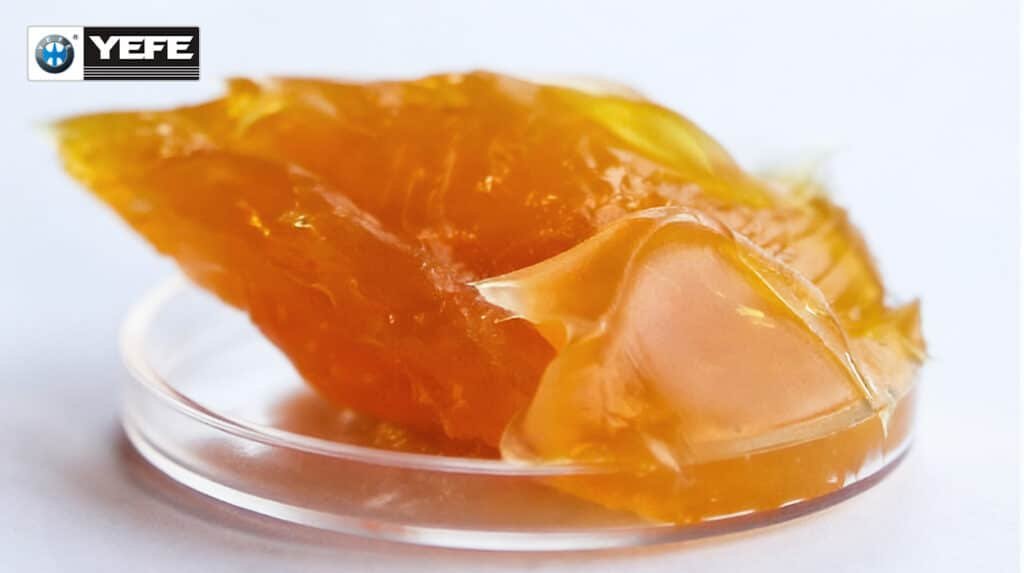
What Does Grease Shelf Life Mean?
Grease shelf life is the length of time that a lubricant may be maintained under set conditions and still be able to be used in its original performance specifications once it is put into service.
Shelf life guidelines are not a limitation to sale offered by manufacturers; it is merely an estimate that is made through formulation stability tests. These guidelines provide the user with the ability to steer clear of using grease which has gone through chemical/physical reactions to render the grease ineffective in shielding parts.
Shelf life should be differentiated with service life:
| Term | Meaning |
| Shelf life | Time grease remains stable in storage (unopened or properly sealed) |
| Service life | Time grease performs effectively once applied in operating equipment |
| Expiration | Point where performance is no longer reliable due to degradation |
Shelf life will depend on the type of grease used, including lithium-based greases, complex greases, polyurea greases, calcium sulfonate formulations, etc., each having varying levels of stability but no grease is immune to any type of ageing.
Factors That Affect Grease Shelf Life
Environmental and physical factors that cause degradation mechanisms of grease long before the product is consumed are the major factors that determine the grease shelf life.
Even good has a degradation with exposure of condition that hastens the separation or chemical break of the formulations. The primary drivers include:
| Factor | Effect on Grease |
| Temperature | Accelerates oxidation and base oil evaporation; high heat is the fastest degrader |
| Oxygen exposure | Promotes oxidative thickening, rancidity, and loss of lubricating properties |
| Moisture | Causes emulsification, corrosion additive depletion, and potential microbial growth |
| Storage position | Vertical storage can lead to oil separation (oil bleeding to the surface or bottom) |
| Packaging integrity | Damaged or compromised containers allow ingress of contaminants and oxygen |
These factors interact. As an illustration, a high and poor sealing increases the rate of grease deterioration.
How Storage Conditions Impact Grease Stability
Good storage facilities can increase grease shelf life by a great deal and bad ones can reduce it by half or more.
The contrast between an industrial warehouse environment playing out under a controlled setting and a regular industrial storage environment is usually dramatic. Optimal conditions retard oxidation and maintain the effectiveness of adding agents whereas unfavorable conditions accelerate chemical reactions and physical alterations.
| Storage Condition | Impact on Shelf Life |
| Cool, dry environment | Preserves grease stability and minimizes degradation |
| Direct sunlight | Accelerates oxidation and can cause container pressure issues |
| High humidity | Increases risk of moisture ingress and corrosion of additives |
| Open or loosely sealed containers | Rapid contamination and exposure to air dramatically shortens life |
| Extreme temperature swings | Promotes oil separation and condensation inside containers |
To know how to do the proper procedures, see our overview of proper grease storage and handling.
How to Identify Expired or Degraded Grease
Periodic checking of grease, whether through sight or sense, is among the most useful methods of detecting grease expiration or degradation before giving rise to issues of equipment.
Grease despite being stored with the recommended intervals may exhibit signs of decay. Checking containers routinely, particularly those that are approaching or exceeding the suggested shelf life as indicated by the manufacturer, should be considered by the technicians and the warehouse employees.
| Sign | What It Indicates |
| Oil separation | Structural breakdown; base oil bleeding out or pooling |
| Hardening or caking | Advanced oxidation; thickener breakdown or additive depletion |
| Unusual odor | Chemical degradation (rancid, sour, or burnt smell) |
| Discoloration | Contamination or aging (darkening, mottling, or uneven color) |
| Skin formation | Surface drying and oxidation due to air exposure |
| Water or emulsion layers | Moisture ingress leading to corrosion and poor performance |
In case any of these signs has been noticed, the grease must be taken off service stock and tested or discarded on the basis of severity.
Best Practices for Storing Grease Correctly
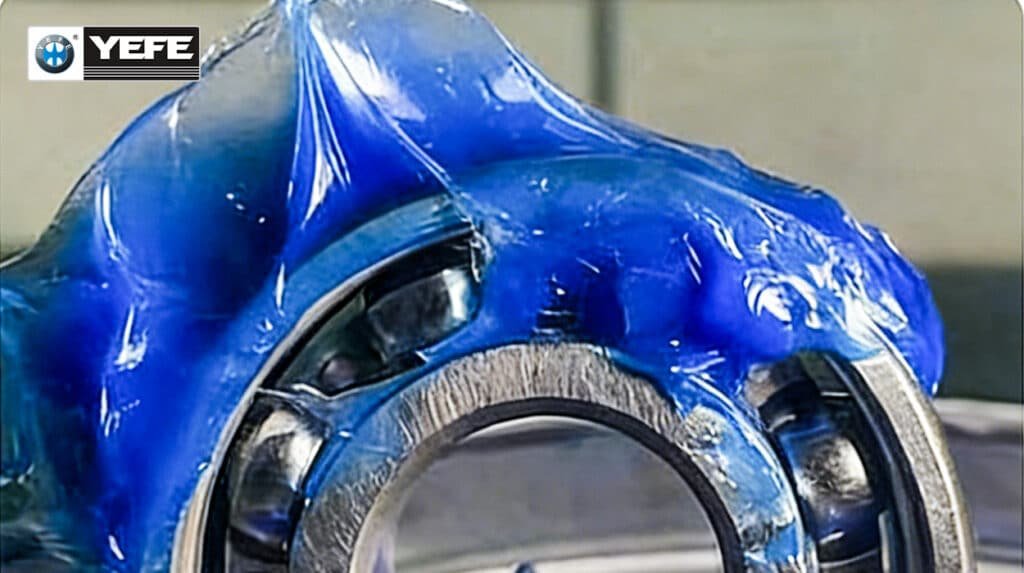
The most crucial aspect in ensuring that grease shelf life is maximized and that it is also reliable is disciplined storage practices.
Avoid losing product structure: take these tips into account:
- Keeping temperatures well in check – Store the grease between the temperatures of 10 o C to 30 o C ( 50 o F to 86 o F ) at all times. Stay out of places that are close to heaters, boilers or sunlight.
- Containers must keep their covers on, only open pails, drums, or cartridges should be opened when it is necessary, and it must be reclosed as soon as possible. Seals that fit, either original or replacement.
- Use first-in, first-out (FIFO) stock turnover -Write the receipt date of containers and use the oldest stock first to minimize storage time.
- Set containers straight: It does not allow much oil to separate and leak around lids.
- Uncovered clean tools of operation – Clean scoops, pump guns or cartridge guns are used to avoid a cross-contaminated environment.
- Moisture and dust protection — and grease should be stored in a covered and dry warehouse or indoor storage space where it is not in the open air, wash bays or near chemical fumes.
- Periodic inspection- Bruises- Check the older stock at least 1 or 2 times a month to ascertain whether it is separated, odorous, or not in its container.
- Popular Storing errors that make grease shelf life shorter.
- Expert teams are known to make mistakes that can be avoided although these mistakes hasten the rate of grease degradation.
Common Storage Mistakes That Reduce Grease Shelf Life
Near heat sources like furnaces, compressors or engine bays, storing grease anywhere.
Semi-opening containers after semi-use.
- The transfer or scooping of grease with contaminated or dirty tools.
- Disregarding expiration dates or batch codes on products provided by manufacturers.
- Placing grease outside or in shipping containers not in good condition.
- Pilling too many containers together to the point of deformation or lid bursting.
- Stocks that are moving slowly, backed-up products at the back.
All these mistakes increase unwarranted danger and may make reliable grease a liability.
Conclusion — Grease Shelf Life Depends on Storage Discipline
Formulation is not alone in determining grease shelf life. Proper storage facilities, handling and frequent inspection are very essential in maintaining the quality of grease and, at the end, when the grease actually goes into service, it is reliable to work.
With grease being treated as a perishable engineering material, instead of an inert product, the majority of the common lubrication failures can be avoided by the maintenance and inventory staff. Disciplined storage practice cost is a very small investment when compared to equipment damages, impromptu interruptions or on-desperation time- replacement as a consequence of product deterioration.
By ensuring that its conditions to store grease are handled at an early stage of time, organizations ensure that their equipment does not fail; also they save on their investment in lubricants.