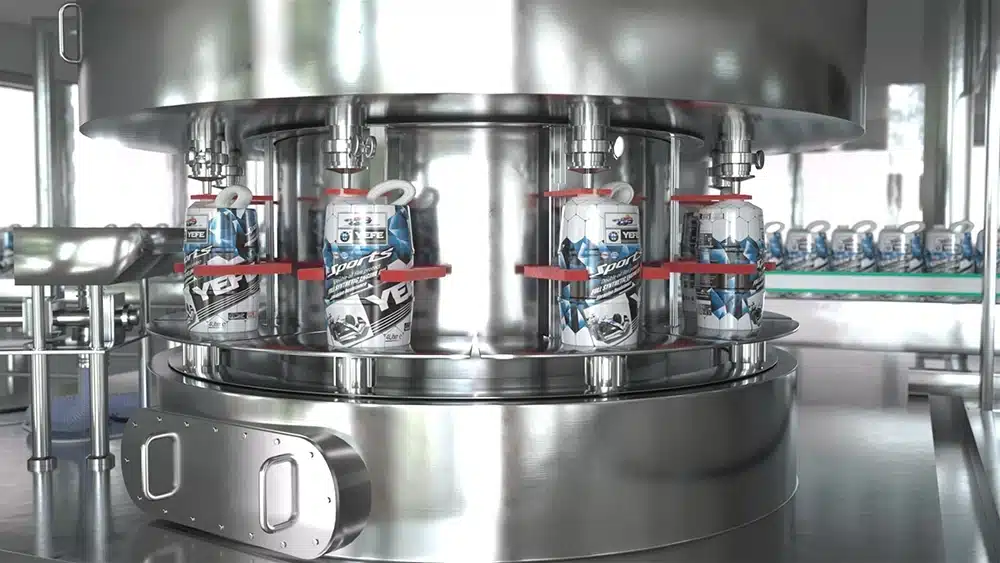
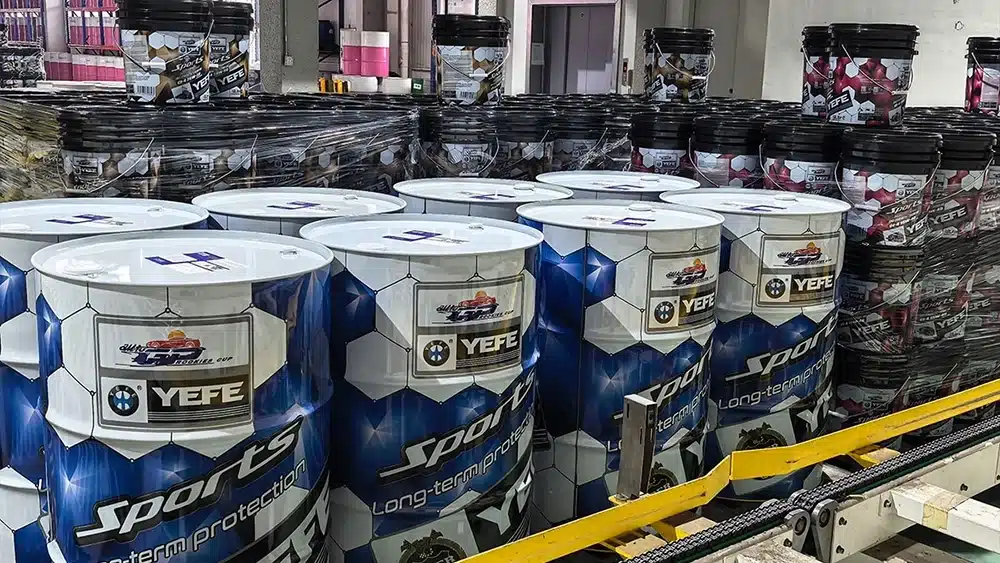
Depending on the type of grease packaging, your product can easily reach the end-users and distributors and workshops can use it efficiently. The greatest grease ever produced in the world is worthless if it gets here in a cumbersome package, is not compatible with the customer’s use, or requires some additional tool. Each of these products has its own application and benefit to the different types of buyers: mechanics that need to have quick and clean lubrication systems; maintenance teams that use several kilograms of lubricant per week; and plants who have centralized lubrication systems and use hundreds of kilograms every month.
This guide covers the pros and cons of each format, helping you to create a packaging blend that aligns with your target channels, minimises handling, and helps you achieve your private label objectives. It’s never about one perfect container, it’s about pairing a package up with a real workflow, tools available and volume outlooks.

Grease Cartridges – Convenience and Precision for Workshops
For users such as agricultural service units and light industrial applications, which apply grease to specific locations during the day, cartridges are still the preferred application method for automotive workshops. The grease remains contained in a tube until ready for use, ensuring contaminants keep out and that grease is delivered consistently and in measured amounts using a standard grease gun.
Typical Cartridge Sizes and Use Cases
The workhorse for grease is the 400g/14 oz cartridge size. The format is compatible with almost all grease guns available and provides all the grease required for an entire shift without reloading. Mini cartridges come in 3 oz / 85 g and can be used with smaller guns in confined spaces, marine and motorcycle applications. These sizes are effective when the amount of material used at each lubrication point is not excessive and cleanliness is an integral part of the system.
Pros and Cons of Cartridge Packaging
Cartridges provide neat handling and a good brand opportunity. The tube offers a professional look on shelves and in service bays, and the label area allows for easy private label graphics. Technicians love the cleanliness, this is better than scooping from an open container.
The main disadvantages are that it is more expensive per kg and produces more packaging waste. Each cartridge contributes plastic or fibre which eventually becomes waste and extra time loading the guns for very high volume users. Many operations, therefore, reserve their cartridges for special formulations and larger format production. .
Pails and Tubs – Flexible Volumes for Workshops and Plants
The middle ground between single-use cartridges and full drum quantities are pails and tubs. They vary from small retail tins to 18 kg / 35-40 lb pails which can still be manhandled with simple equipment. Users can use grease by hand or they can use cleaner and faster, follower plates and pumps.
Common Pail and Tub Sizes and Where They Fit
Small 1kg tins and 2-3kg tubs are ideal for motorcycle shops, bicycle maintenance and the occasional after market buyer. 5–10 kg is suitable for fleet garages, plant maintenance teams that use it regularly, but not every day. The 18kg pail is a standard that has become common because it is both economical and easy to store and transport in most workshops, but not as expensive as cartridges.
Pros and Cons of Pails and Tubs
Cost per kg is reduced with pails and tubs and they stack efficiently in the warehouse. They are suitable for manual scooping for quick jobs and pump systems for higher volume, providing flexibility for distributors when serving customer types. The large printable surfaces on the lid or side also make private label grease packaging visible on the workshop floor.
From the practical side, open pails may allow dust or moisture to enter if the lid is not properly replaced in a timely fashion, and by hand it is easier to over-apply. If the pump and/or follower plate is not correct, residue accumulates and additional cleaning time is added. These are under control through proper tool selection and basic handling procedures.
Drums – High-Volume Packaging for Heavy Industry and Fleets

The 50kg and 180kg drums are capable of meeting the demands of cement factories, steel works, big mines and central fleet depots. These are typically linked to pneumatic drum pumps or centralized lubrication systems that deliver to several points from a single source.
When Drums Make Economic Sense
Industrial grease drums and grease pails offer the lowest per kg cost of rigid packages, and save on ordering frequency. A single 180 kg drum can be used for weeks in a busy maintenance operation, thereby decreasing the need to coordinate deliveries and administrative workload. If there is no fluctuation in consumption and it is predictable, then the economics are clearly in favour of drums over repeated smaller orders.
Handling, Liners and Cleanliness
Drums will need forklift trucks or drum trolleys to move when they are full. To allow almost complete emptying of the container, many sites add drum liners or follower plates to the pump. This helps prevent mixing of different grease formulations when necessary, reduces residue and shortens clean-up time between grease batches.
Bulk and IBC/Tote Supply – For Very High Consumption
The biggest users tend to transition to bulk grease supply and IBC totes between 800kg and 1200kg. This format eliminates many of the intermediate packages needed and provides optimal unit economics when volume of consumption is sufficient to warrant investment in bulk handling systems.
Bulk Supply Scenarios
Bulk grease supply and IBC Totes are beneficial for all OEM assembly lines that fill bearings or chassis components, regional lube houses that provide service to multiple assembly plants, and major fleets with automated dispensing. These arrangements have to be based on accurate forecasting and a stable manufacturing partnership—any disruption in supply is far more expensive than the packaging savings.
Small Packs and Specialty Formats – Retail and Niche Needs
The main formats are not very efficient in filling gaps, and tubes, small tins, polybags and sample sachets do so. Retail motorcycle and bicycle greases come in 100–250 g tubes that are mounted in display racks that motivate impulse purchases. OEMs sometimes include a little tube in the bearing or seal kit for the installer to ensure they are given the right grease for the part.
When to Use Tubes, Sachets and Mini Packs
These formats are ideal for users who require a very small amount per job, or when grease is used in conjunction with other parts in a component package. They are useful in markets where the end user purchases occasional retail products instead of bulk supplies. The cost per kilogram is still high and, therefore, tubes and sachets are most suitable for promotional sampling and low volume retail outlets as opposed to industrial volume.
How to Choose the Right Packaging Mix for Your Market
The type of grease packaging that is right for you will depend on the type of customer you have and the way he uses your product. The final mix will depend on customer type, weekly consumption, dispensing tools available, warehouse space, and waste disposal costs. A distributor who specializes in small workshops will have a different selection than a distributor who supplies mining operations or a big manufacturing plant.
Segmenting by Channel and Usage
There is a large demand for 400 g cartridges and a smaller demand for 5–18 kg pails at automotive aftermarket and small workshops. This blend allows technicians to work on daily tasks without compromising the cleanliness and still have access to larger volumes for bigger services. Industrial MRO and fleet operators switch to pails and drums and only stock cartridges for field trucks or special formulations. Drums and bulk/IBC supply are the main types of packaging for heavy industry and large OEMs with small packs being used for retail side channels or special applications.
| Packaging Format | Typical Sizes | Best Suited For | Relative Cost per kg | Common Dispensing Method |
| Cartridges | 400 g, 85 g | Workshops, field service | Higher | Grease gun |
| Pails / Tubs | 1–18 kg | Fleets, medium workshops | Medium | Scoop or pump |
| Drums | 50–180 kg | Heavy industry, large fleets | Lower | Drum pump |
| Bulk / IBC | 800–1,200 kg | High-volume OEMs, plants | Lowest | Bulk or centralized systems |
Private Label and Branding Considerations by Packaging Type
Both formats have an impact on the visibility and professionalism of your brand to the end user. Cartridges have the ability to be installed in the grease gun and/or on the bench where the tech sees the label every day, which is ideal for shelf presence. Pails and tubs offer a good surface for printing, visible in plant settings. Drums and bulk containers are more functional, but branding is still important and consistent, conveying quality and reliability to high volume accounts.
Balancing Design, MOQ, and Inventory Risk
The minimum order quantity may be higher for custom printed sleeves or litho labels on cartridges or small pails as compared to the generic drums with adhesive labels. A concentrated assortment of SKUs, two or three sizes of cartridges and two sizes of pails, enables you to test demand before increasing the number of formats or custom artwork. Once the sales numbers are in, you can increase the mix with less risk for low velocity stock.
Logistics, Storage, and Sustainability Considerations
The packaging you choose directly impacts the number of pallets used, packing efficiency in containers, storage, and your own and your customers’ waste management. Cartridges are shipped in cartons, but take up more space per kg than drums. Drums and IBC totes optimize shipping and packaging material per unit of grease. Where market environmental laws are stringent, larger formats and liners or bag-in-box systems reduce the waste of plastic and residual amounts of usable grease in empty containers.
Minimizing Waste and Maximizing Usable Product
Drum and pail liners and follower plates enable almost complete removal of grease from the drums to reduce disposal expenses and environmental impact. If you are looking at a lot of little cartridges vs a few bigger containers, factor in the total cost of the waste disposal, as well as any customer expectations of sustainability. Those that help customers to choose the format that minimises overall waste can create more enduring relationships with their clients.
How a Professional Grease Manufacturer Supports Multiple Packaging Formats

A manufacturer that has flexible filling lines can provide grease in cartridges, pails, drums or bulk containers and ensure that the formulation and quality are the same for all containers. This allows you to provide customers with an entire gamut of products supplied by a single dependable provider, as opposed to having to coordinate multiple providers.
Key Questions to Ask When Planning Grease Packaging
When talking with your supplier consider these factors when developing a practical plan:
- What types and sizes of packaging can you accept for this grease grade?
- What are the most common MOQs and lead times for cartridges, pails/drums and bulk/IBC?
- Are you able to provide drum or pail liners and follower systems to minimize residue and clean-up period?
- What do you do for label design, bar coding and regulatory documentations for all pack sizes?
- How do you suggest adapting format to different customer groups and estimate volumes?
Answering the following questions beforehand can prevent inventory mismatches and help you package for both efficient operation and customer’s workflow on a daily basis.