Developed into one of the world’s biggest manufacturers of industrial grease, China has competitive prices, large capacity, and offers a diverse product line for various industries such as mining, manufacturing, construction, and heavy equipment. Effective sourcing of industrial grease from China can be beneficial for distributors and private label brands to reduce costs and broaden their product offerings, provided that a good supplier is selected. Bad decisions can lead to unpredictable quality, outages, or problems with compliance, all of which negatively impact your business.
We have over 10 years of manufacturing and exporting high performance lubricants and know the opportunities and realities. This guide explains a practical, step-by-step approach to the search, assessment and selection of Chinese grease manufacturers. To create a sourcing strategy that provides quality and sustainability over the long-term, follow these steps:

Step 1 – Clarify What You Actually Need Before Contacting Suppliers
If you want to procure successful, it begins with clear specifications, not looking for suppliers. Make sure to inform yourself in detail what you exactly need and then give manufacturers feedback based on that, otherwise you might be offered a standard solution.
Application and Performance Requirements
Outline the uses of the grease: bearings for use in heavy-load industrial applications, open gears for mining machinery, chassis lubrication for trucks, high-temperature applications in steel plants, or food-grade applications in processing lines. Record required NLGI grades, base oil types and visco, thickener systems (lithium, calcium, complex), and performance (EP additives, water resistance, oxidation stability).
Specifications enable suppliers to suggest appropriate existing formulations or make small modifications, which can save the development time as well as the risk of performance issues later on.
Business Model: Branded Import vs Private Label vs OEM/ODM
To import a brand under the manufacturer’s name or develop a private label line or full OEM/ODM development for custom solutions, make a decision early in the process. All models affect the minimum order quantities, lead time, technical documentation and intellectual property considerations. OEM/ODM can be the right choice for companies that require special performance for their local equipment or climate, whereas private label is suitable for companies with mid-volume requirements.
Step 2 – Where and How to Find Potential Grease Suppliers in China

After you’ve determined your needs, you should think about search types and not general terms.
Make use of the existing B2B marketplaces such as Alibaba, Made-in-China and Global Sources and filters with lubricants & grease filters. Go or follow Chinese lubricant shows to get direct connections. A lot of buyers also depend on the skilled sourcing agents or consultants that have knowledge of the industrial lubricants industry.
Screening for Real Manufacturers vs Traders
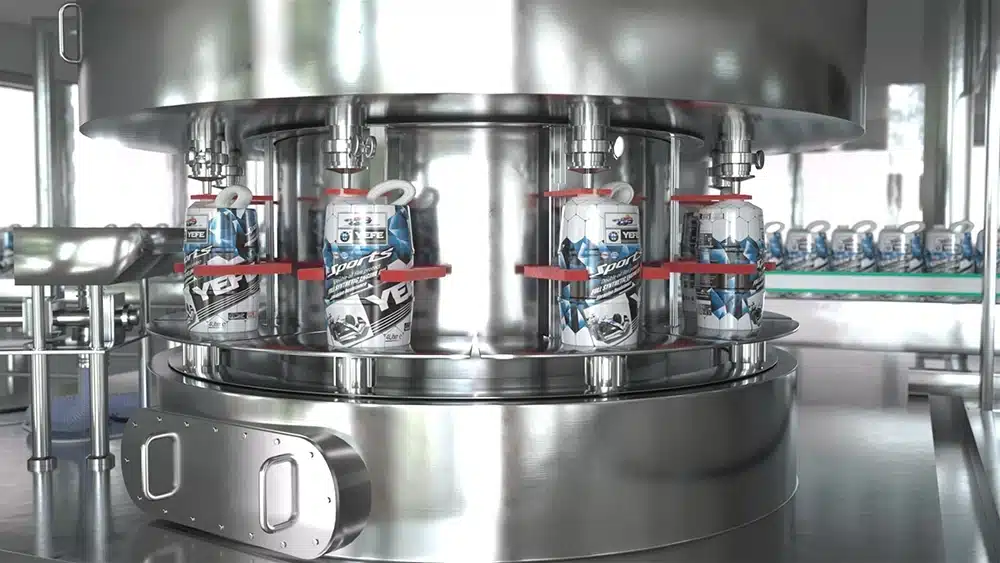
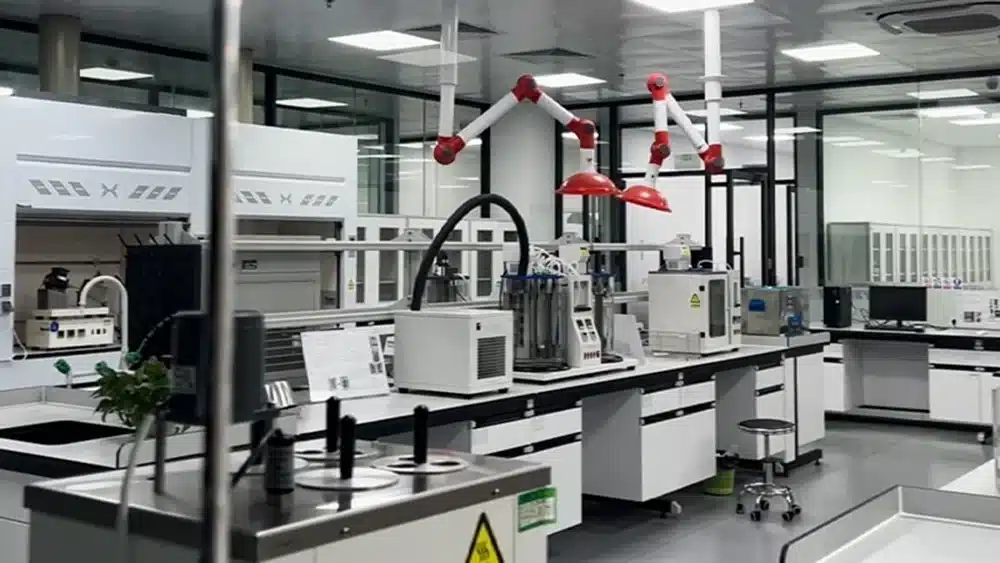
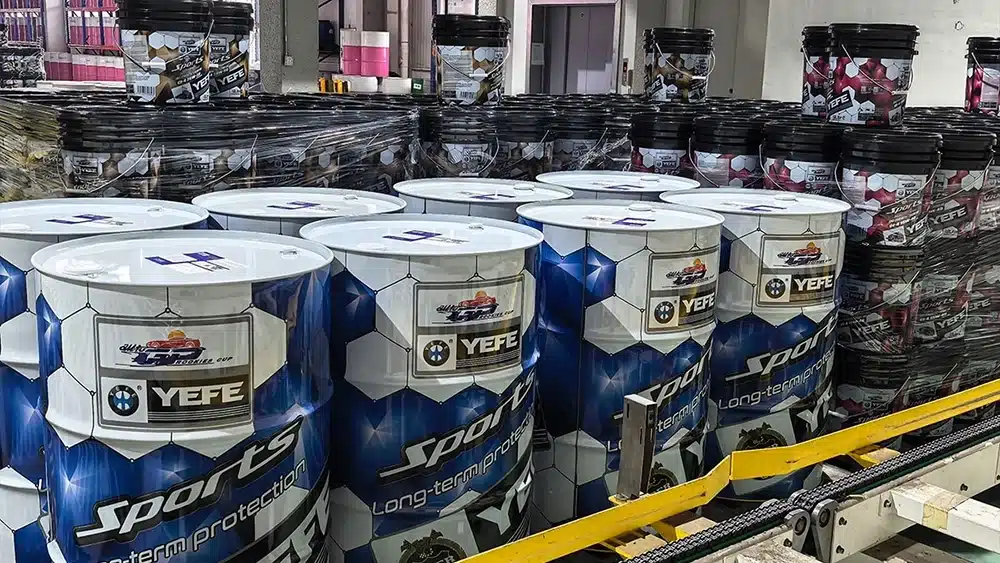
Check factory photos, business licenses, production videos and company registration information to confirm which are manufacturers and which are trading companies. Reputable manufacturers of grease generally have their own blending plant, testing laboratory and automatic filling lines. Traders may be able to offer service, however it is more likely that a direct manufacturer or a service provider with adequate support would offer more consistent quality for industrial use.
Step 3 – First-Level Qualification: Certifications, Capabilities and Focus
Use production strengths and key credentials to narrow down your list.
Look for suppliers that are ISO 9001 certified and have the necessary industry certifications. Look for any laboratory equipment in-house that can test penetration, dropping point, extreme pressure wear and oxidation stability.
Matching Supplier Capabilities to Your Segment
Certain Chinese lubricant manufacturers specialize in automotive engine oils and others are more knowledgeable about industrial greases for such specific industries as cement factories, mining, or logistics. Check their product portfolio and case studies to ensure that they have experience in your target applications and not just general lubricant experience that moves over to industrial grease experience.
Step 4 – Deep Technical Evaluation and Sample Testing
Never send large amounts without proper sampling.
Ask the supplier to provide you with representative samples, and full Technical Data Sheets (TDS) and Safety Data Sheets (SDS). Request any prior test reports or performance references from any similar applications.
Lab Testing and Field Trials
Confirm critical parameters: NLGI grade consistency, penetration range, base oil viscosity, dropping point, water washout resistance and EP performance (laboratory). Compare with your requirements.
Conduct controlled field tests with real equipment and operating conditions. Pay attention to performance, and record the performance. This is a step which will uncover problems that laboratory testing may not detect and will help in avoiding expensive failures after full shipment.
Step 5 – Auditing Quality Control and Traceability
Once the product is out of the factory, sound quality systems become critical, as it is costly and time consuming to resolve problems across the oceans.
Review batch testing, retained sample policies, shelf-life controls and packaging batch coding — for full traceability.
Third-Party Inspections and Factory Visits
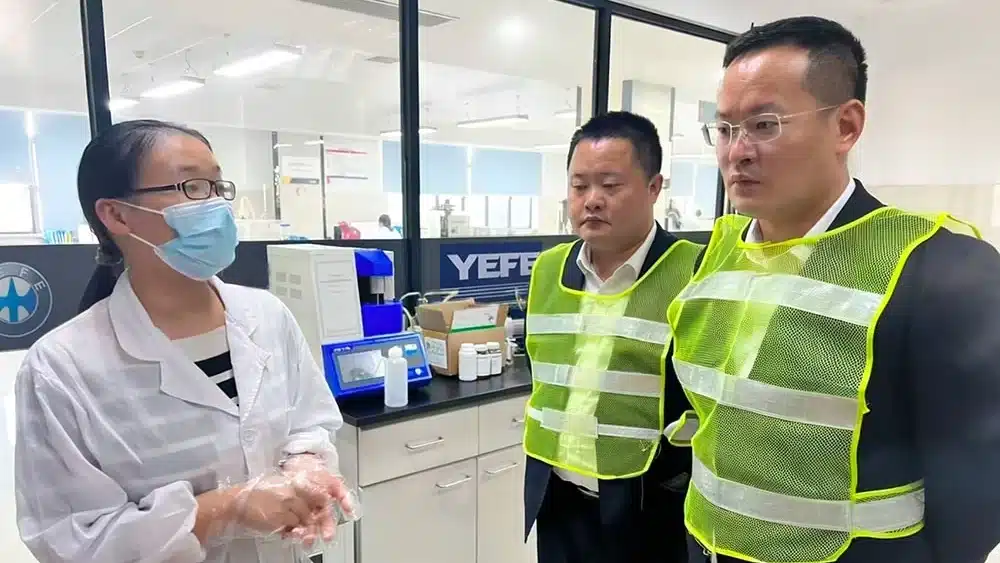
Have independent inspection firm conduct pre-shipment inspections and supervision in loading containers. When it comes to serious buyers, they routinely schedule video audits or site visits to ensure in-process controls, raw material handling, and final inspection processes are being performed correctly. These measures contribute to the protection in addition to the supplier’s documentation.
Step 6 – Understanding OEM, ODM and Private Label Models in China
The selection of the cooperation model is a key factor for the China industrial grease supplier selection.
OEM is normally done with a manufacturer’s production to your specification/s or formulation which allows you to have more control over your IP and branding. ODM utilizes the supplier’s product formulations and may make some slight modifications to your product. Contract manufacturing works best for extremely large volumes and more extensive levels of integration.
Choosing the Right Cooperation Model for Your Volume and Complexity
Standard volumes may be suitable for the private label ODM route with proven formulations with lower volumes. If the volume is larger, or if the requirements are very specific, then the OEM development is justified with a detailed contract. The selected model influences the non-recurring engineering costs, the minimum order size, lead times and the IP protection clauses.
Step 7 – Negotiating MOQ, Pricing and Lead Times
MOQs are determined by the grease formulation batch size and packaging set up by the grease manufacturer. Econocentrate a number of products with lower volumes, which typically gives better pricing and lower minimums.
Explain normal lead times and the variation in these times due to fluctuations in raw material markets or seasonal demand.
Looking Beyond Unit Price – Total Cost and Risk
Assess total landed cost: Quality Consistency, Potential Downtime, Warranty Exposure, Logistics. It is often more economical in the long-term to use a higher cost supplier but have a good QC and technical support than the lowest bidder with poor processes.
Step 8 – Contracts, IP and Clear Service-Level Expectations

Agreements are in writing and both parties are protected. Provide detailed product specifications, acceptance criteria, quality guarantees and corrective actions for non-conforming batches. Include lead time commitments, remedies for major delays and protections for any custom formulations.
Setting Up Practical KPIs and Review Mechanisms
Set up quantifiable measures like delivery rate, batch rejections, technical response time and so forth. Plan regular review sessions, often quarterly, to discuss predictions, problem solve and improve the relationship.
Managing Logistics, Customs and After-Sales Support
Discuss Incoterms, port arrangements, labeling standards and MSDS compliance standards with destination country regulations for lubricants and chemicals. Assign responsibilities for goods and insurance and import duties.
Technical After-Sales and Local Support
Ongoing technical guidance is frequently needed for challenges encountered when applying industrial grease. Determine the supplier’s capacity for quick replies, remote diagnostics or assistance via local agents in your area.
When to Use Sourcing Agents or Third-Party Partners
Overseas buyers are particularly lucky to have experienced sourcing agents who are familiar with the technical requirements of lubricants. These partners can help with supplier management, audits, testing coordination, and shipment coordinating.
How to Choose a Sourcing Partner for Industrial Grease
Search for agents who are competent in industrial lubricants, clear fees and have a history of conducting factory audits and quality checks. Keep in mind that the end specifications and conclusions are still yours to decide.
Turning a Chinese Grease Supplier into a Long-Term Strategic Partner
The key to achieving the best results is to develop true partnerships, not transactions. Careful cooperation may open up opportunities for special formulations for your markets, priority production in lean periods, better pricing with better forecasts, and joint technical projects.
Signs You Have Found the Right Supplier
High-quality batches, advance notice of raw material changes, providing lab information, accepting audits, and being flexible with supporting new opportunities all equate to a high-quality partner. Take the time to align and trust to build a dependable supply chain advantage.