Coolant in hot climate countries such as those in Southeast Asia, the Middle East, Africa, and Latin America are much more important than many distributors realize. Although some customers still consider coolant as only a winter product, in tropical and desert markets, cooling systems are under high stress all year round due to high ambient temperature, heavy traffic, long idle time and dusty environment. The selection of the right coolant for hot climate countries directly affects the reliability of cars, less complaints of overheating in vehicles and improves the relationship between the distributors and workshops and fleet operators.
Years ago we attended YEFE and were impressed by what we saw as we watched how a well-chosen lubricant and education can help save expensive breakdowns and how it will make the difference between a professional and a low-cost lubricant distributor. This guide provides practical information on the impact of hot weather on cooling systems, and recommends what distributors should carry, suggest and promote in order to satisfy real needs.

How Hot Weather Stresses the Cooling System
In high ambient temperatures, there is less temperature difference between the engine coolant and the ambient air, which makes it harder to dissipate heat. Radiator fans are used for longer periods and more frequently, as well as vehicles in heavy traffic or while loading, which idle for a longer period of time at high air conditioning levels. These conditions, for most of the year, make the cooling system work at its limit.
Overheating, tank expansion boil-over, cylinder head warping, blown head gasket, and excessive coolant loss is often seen in these markets during the workshops. Dust and sand aggravate the situation by clogging up radiator fins and hence hindering air flow and efficiency.
The Role of Coolant in Boil-Over Prevention and Corrosion Control
Good engine coolants increase the boiling point well above that of water (usually to 120–130°C or more) and contain important corrosion inhibitors. These inhibitors protect against rusting, scaler deposition and cavitation damage which can happen on many engines that use mixed metals and increase with prolonged exposure to high temperatures. If not properly protected, internal corrosion causes rapid deterioration of heat transfer and results in costly repairs.
Typical Climate and Driving Patterns in Hot-Country Markets
Daytime temperatures are frequently over 30-40°C with high humidity levels in tropical regions or high dry heat and sand in desert regions. Often, taxis, ride-hailing services, light trucks, and buses are loaded to capacity and pushed to their physical limits, run stop-and-go traffic, or are on long hauls for long periods of time. Dusty conditions, where radiator cleaning is more frequent, can also lead to a higher risk of delays because of costs.
Why These Patterns Increase Coolant Quality Requirements
Exposure to high temperatures for extended periods of time can reduce the amount of corrosion inhibitors and lead to glycol degradation for lower quality fluids. While it can be tempting to save money on the initial purchase of coolants, or to use the wrong coolant mixture, this can lead to more frequent breakdowns, increased operating expenses for the customer, and loss of credibility in the distributor’s products for the owner since the vehicles may overheat on a normal hot day.
Choosing Coolant Type for Hot Climate Fleets (IAT, OAT, HOAT)
Coolants used in modern vehicles are significantly improved by extended life OAT (Organic Acid Technology) or HOAT (Hybrid Organic Acid Technology) which have a longer service life and performance in high temperature. Older vehicles and some fleets continue to use traditional IAT (Inorganic Additive Technology) coolants which generally demand more frequent change and attention.
Matching Technology to Vehicle Parc and Customer Profile
Distributors need to evaluate their local vehicle mix:
- If your fleet of newer passenger cars or light duty vehicles use aluminum components, or have longer OEM intervals, consider high quality OAT or HOAT products that have appropriate manufacturer approvals.
- Ensure that existing conventional line for older trucks, buses and mixed fleet on shorter drains, and inform customers about good maintenance practices.
- For import intensive markets, emphasis should be placed on making the product labels and technical support available to the workshops in order to assist them in choosing the appropriate product for the use.
Recommendations made based on high temperature performance data should be used in conjunction with OEM specifications as the primary guide.
Concentration Ratios in Hot Climates – Why 50/50 Still Matters
It is easy to see why many operators in hot countries are tempted to operate at higher water ratios to get better cooling. For most uses, however, a balanced 50/50 solution of quality antifreeze concentrate and distilled water will continue to be the safest option. It maintains a balance of heat transfer, increases boiling point and provides adequate inhibitor levels for corrosion control.
The Risks of Running Plain Water or Very Weak Coolant

Most of the common problems are: engine blocks and radiators rust, mineral scale deposits from tap water, water pumps cavitation erosion, clogged heater cores and much lower boiling points which result in overheating during traffic jams or during heavy loads. These issues are particularly apparent in hot climate workshops, and can lead to reoccurring customer complaints.
Maintenance Intervals and Checks in High-Temperature Markets
No matter if the product has a long life, high operating temperatures or duty cycles will justify more proactive coolant monitoring. Level checks on fleet vehicles may be required at regular intervals of a few weeks and full replacement is based on manufacturer recommendations – or more frequently if the service conditions are extreme.
Practical Maintenance Recommendations Distributors Can Promote
Encourage your workshop partner and customers to develop these habits:
- Regularly inspect and maintain the coolant level and condition, especially during the hottest seasons.
- During routine maintenance, check hoses, radiator caps, thermostats and radiator fins for deterioration or blockage.
- Do pH, Freeze Point and Boil Point tests periodically instead of waiting for winter.
- Recommend full flushes and replacement on schedule rather than top-up with water.
These will dramatically cut down on overheating problems and prolong engine life.
Common Overheating and Coolant Misuse Issues in Hot Countries
Overheating in traffic, progressive loss of coolant, discolored or contaminated fluid, clogged radiators, and head gasket failure are some of the most common issues with which workshops can be faced. The most common root causes are the use of plain water, mixing incompatible coolants, low fluid levels or failure to use system flushes.
How Distributors Can Help Reduce Overheating Complaints
Be creative around these challenges by:
- Educating retail/ workshop personnel on asking for coolant history during diagnosis.
- Furnishing clear, local language mixing and maintenance instructions.
- Promoting pre-summer coolant services as preventative solutions.
Product Portfolio Planning for Hot-Climate Markets
Develop a targeted range to meet local requirements:
- Modern car long-life coolants (OAT / HOAT) with high quality.
- Conventional coolants for existing fleets that are reliable.
- Easy-to-use premixed, 50/50 solutions to reduce human error.
Packaging, Labeling and Education Materials
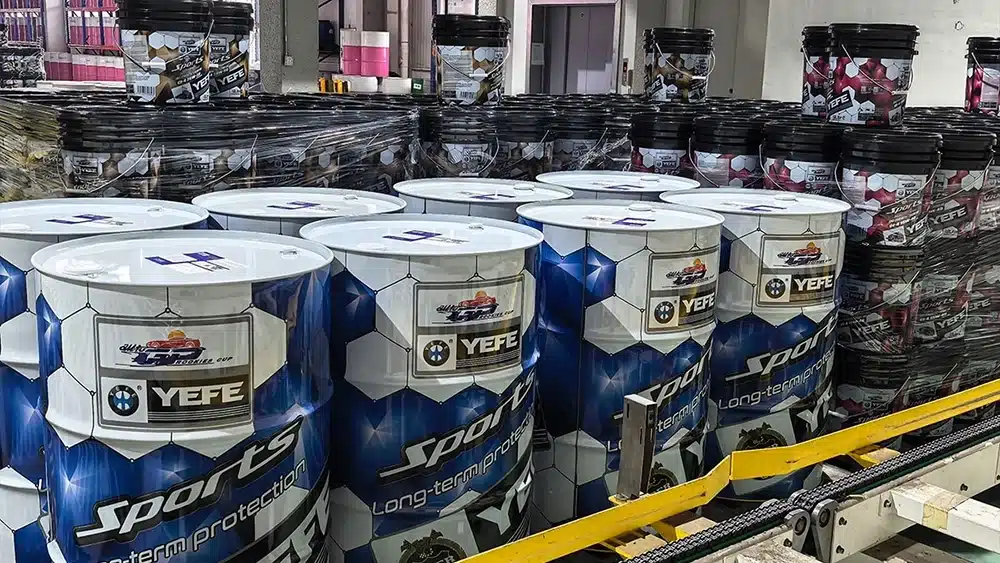
Provide suitable packs, ranging from small retail packs for individual users, to 20L, 200L and bulk packs for workshops and fleets. Technology type, concentrations and key approvals should be emphasized on the clear label. Accompany these simple uses on the point of sale or with QR codes that connect to hot climate usage guides.
Positioning YEFE as a Technical Partner
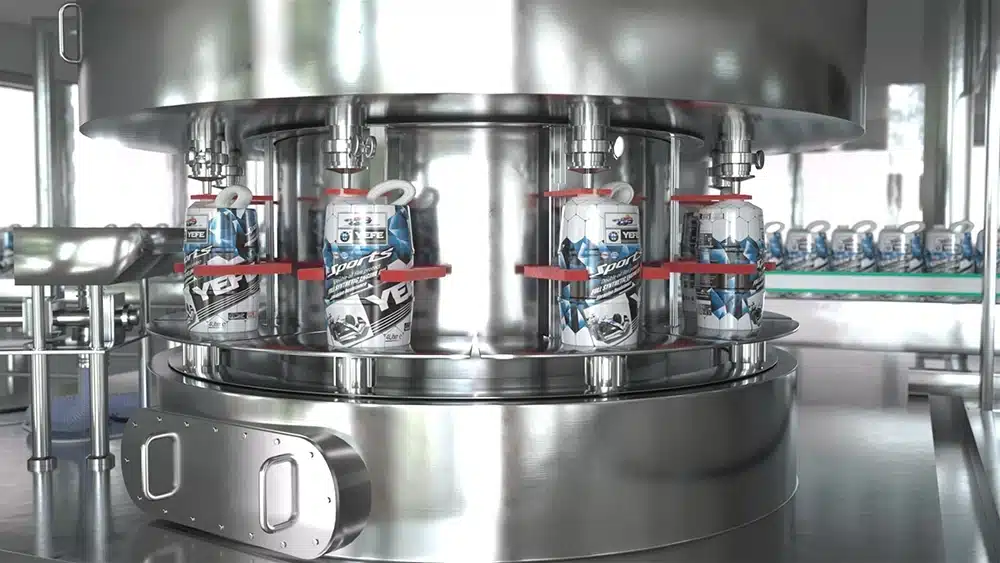
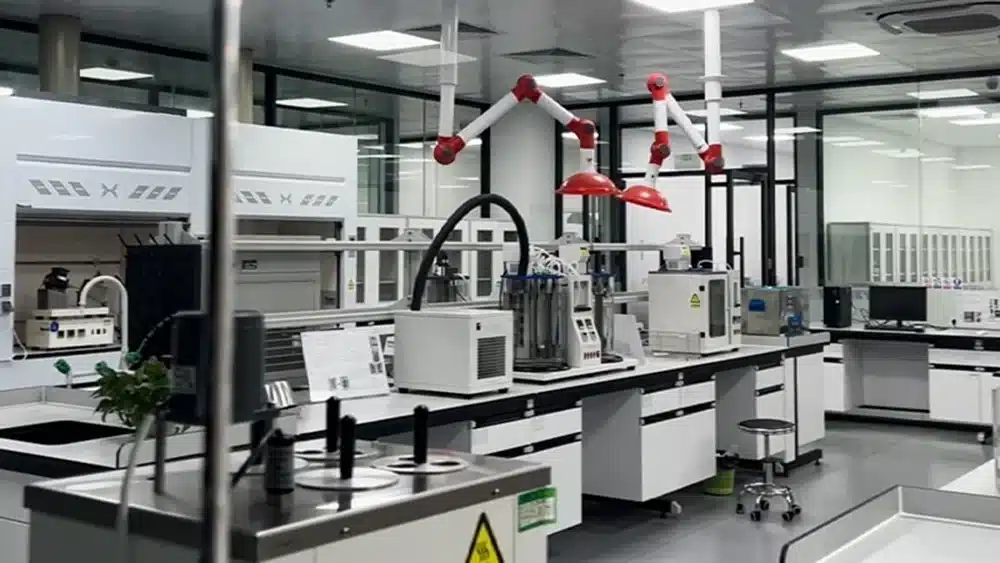
YEFE provides climate-appropriate dosages and formulations, technical assistance, training support and flexible OEM/ODM private label programs, making it a trusted manufacturing solution for distributors in hot climate countries. Automated production, strict quality control and total traceability guarantee quality performance, helping to reduce the rate of returns for our distributors and gain long-term fleet business.
Key Questions Distributors Should Ask Their Coolant Supplier

- What are the most suitable coolants for my country and vehicle fleet?
- What are the test data that support high temperature claims for your product?
- What training and marketing materials can you bring that can help educate my customers?
- Can you supply private label or custom formulation support specific to hot climate running?
Distributors who work with a seasoned manufacturer such as YEFE not only have access to the product, but they also get the knowledge and know-how needed to make them more competitive in their markets.