The fully processed lubricants market in South America is about 2.9 billion liters per year and is growing. Demand is supported by a large base of older vehicles, mining operations throughout Chile and Peru, as well as a relatively stable industrial activity in Brazil. Established local blenders and major oil companies have a meaningful share of the market, but there is still much room for dedicated distributors that provide the independent workshop, truck fleet, farm, and smaller industrial users with a consistent product, technical assistance, and reliability.
In order to achieve success for a lubricant distribution business in South American, the choices made early, such as selecting the entry country, the segment, the business model based on capital and capabilities, and the business operations based on real customer needs, are of paramount importance. This guide details the practical order in which experienced distributors enter into or expand in the region.

Step 1 – Understand the South American Lubricant Market Landscape
Data from the industry indicates that Brazil consumes almost half of the South American market for lubricant, with the vehicle market, agribusiness equipment and offshore energy projects responsible for the demand. Chile is the region’s fastest growth market, helped by expansion of the copper mining fleet and the need for longer-drain gear oils and hydraulic fluids. Other opportunities include Argentina, Colombia and Peru, especially in the agriculture and construction equipment sectors where they are exposed to difficult environments.
Industrial and off-highway oils are the fastest growing segments with the growth of mining and mechanised farming, but automotive engine oils still dominate the overall market. The shift to higher quality synthetics and lower SAPS formulations has been seen in many markets to meet newer emission standards, particularly in Brazil. Electric bus fleets have decreased the consumption of some diesel in a handful of urban areas, but diesel internal combustion engines and heavy equipment continue to account for a steady increase in lubricant consumption during the balance of the decade.
Identify Which Countries and Segments Fit You
It is not possible to cover a large area from the beginning. The most successful new distributors begin in one primary country which is typically Brazil for size, or Chile, Peru or Colombia where they have logistical access or local contacts. Begin where it is possible to serve customers within reasonable delivery times and where the regulatory complexity is commensurate with the experience of your team.
Most of the new players start their business with automotive and diesel fleet applications: passenger car motor oils (in the grades 5W-30 and 5W-40) that meet current API SP or SN standards, and heavy duty diesel oils (15W-40 CK-4) for trucks, buses, and agricultural tractors. In countries with high two-wheeler populations the motorcycle oils that meet the JASO MA/MA2 standard are significant. With established relationships and cash flow, most add a targeted industrial range (hydraulic oils, gear oils and multipurpose greases) to work with workshops and limited size manufacturing units. Often, premium or extended-drain products are warranted in mining or extensive agriculture use after learning about particular equipment and duty cycles in your territory.
Step 2 – Choose Your Business Model: Brand Agent, Multi-Brand Distributor or Private Label
The business model you choose will impact on your margins, how much risk you take, how much control you have over your brand and required capital. There are three major trends in the region.
| Business Model | Key Advantages | Main Challenges | Typical Profile of Operator |
| Authorized Distributor for Global or Regional Brand | Brand recognition, technical training, marketing support, sometimes exclusive territory | Volume commitments, tighter pricing control, territory restrictions | Entrepreneurs with existing industry relationships or capital to meet minimums |
| Multi-Brand Distributor or Importer | Flexibility to offer options across price points and applications | Must build own reputation, risk of supplier conflicts if brands overlap | Those wanting broad market coverage without single-brand dependency |
| Private Label / Own Brand Importer | Higher margin potential, full portfolio control, brand equity building | Quality responsibility sits with you, requires marketing investment and strong supplier oversight | Distributors aiming to differentiate and own the customer relationship long-term |
Authorized Distributor for a Global or Regional Brand
If becoming an authorised partner to a recognised brand, this can give instant credibility and training and point-of-sale materials. Typically, minimum volume requirements and reduced pricing and territory flexibility are the trade-offs. This model is best for operators who already have good customer access or want to take advantage of an existing brand and learn the category.
Multi-Brand Distributor or Importer
Using two or more brands, local or imported, provides flexibility in allowing the same customer different budgets, equipment requirements, and options. One line can be set as a premium line, the other one as a value line. The challenge will be to prevent intraband competition and establish a brand’s reputation as a reliable supplier, instead of only on brand reputation.
Private Label / Own Brand Importer
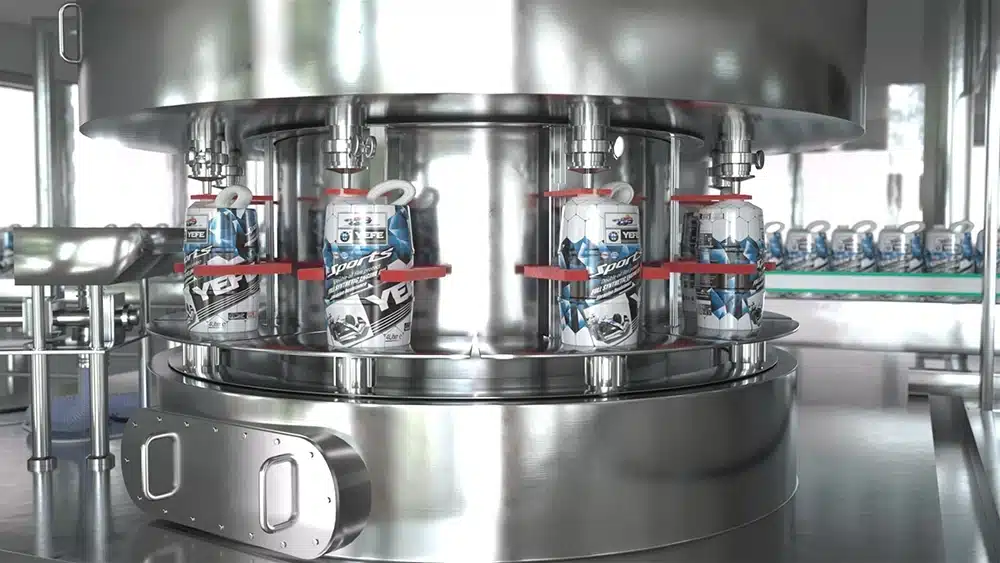
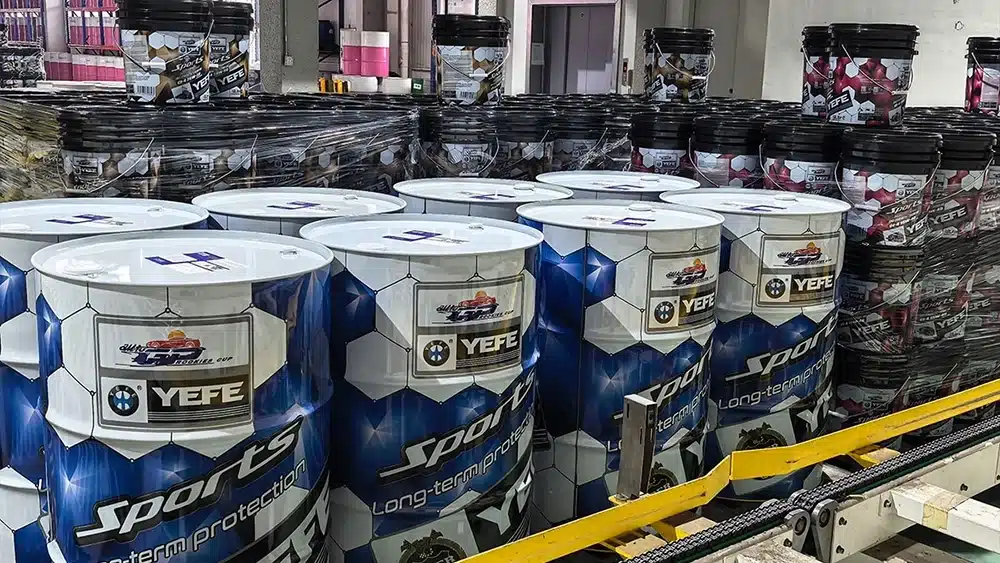
Many business owners make the decision to ensure that they build up their own brand by importing finished lubricants from abroad manufacturers. This route allows greater margins over time and total control of product positioning and packaging. It also demands that you have high quality perception and put in the effort to create brand awareness from scratch. There are now several manufacturers that have exported their products to LATAM that offer turn key solutions, including formulation adapted to local climates, equipment, packaging design and labels that conform to local language and safety standards, along with full technical and import documentation. Some distributors find that they can achieve first sales more quickly and with minimal quality surprises if they choose partners that have a history of consistent performance on a batch-by-batch basis and have solid logistics partners.
Step 3 – Legal Setup, Licensing and Basic Compliance
Requirements vary from country to country and the following information should not be construed as legal advice. The majority of new distributors organize themselves under a limited liability company or other local structure appropriate to the trading and import operations. The necessary business operating licence and, in many cases, specific permits in respect of storage and handling of oils that are dangerous goods or hazardous materials are required.
When importing, register as an importer and be familiar with tariff classification and duty rates of finished lubricants and base oils. The customs clearance procedures and necessary paperwork is different and vary depending on the vessel and its purpose – working with an experienced freight forwarder who understands how to import lubricant will help to avoid a potential expensive delay.
Learn Local Standards and Labeling Requirements

Labels need to include OEM approvals (where applicable), service classifications and viscosity grade. The text should be written in Spanish or Portuguese, based on the country, as well as safety information and distributor/importer information per national regulation. Documentation packages can be provided by suppliers who are familiar with the region, and can generally be provided to meet these expectations, and minimise the compliance issues at the border.
Step 4 – Build Supplier Relationships and Secure Quality Products
Ensuring product reliability is the base of any distribution business. A customer comes back when the oil is working properly and is protecting the equipment; they walk out the door the moment one failure occurs that causes damage to an engine or hydraulic system.
How to Evaluate Potential Lubricant Suppliers
Evaluate suppliers with respect to these four practical criteria. First, check if they can provide the proper viscosity grades and performance characteristics to cover your target segments. Second, check the manufacturer’s quality by certificates like ISO 9001, in-house laboratory facilities, and documented batch testing/tracing systems. Third, assess what experience they have in supporting distributors – do they offer technical data, training materials, and communication when you have questions? Fourth, for private label work, ensure that they can make the necessary adjustments to the formulation for local conditions, including high ambient temperatures, dusty mining areas, and provide everything required by export paperwork.
Negotiating Distribution Agreements
Important commercial considerations are clearly defined territory, type of customers, realistic minimum order quantities and lead times (particularly for ocean freight), clear pricing levels and breaks by volume, credit and/or payment terms to match your cash cycle, and any marketing or training support that the supplier will be able to provide. Commence with obligations that you can sell in the scheduled time period and build up as the market reacts, and your sales routines improve.
Step 5 – Plan Capital, Warehousing and Logistics
One of the biggest problems that new distribution companies have is that they underestimate working capital needs. You must have the capital to carry stock, afford fair credit to the customers, pay the freight and duties, and continue the business until the sales are increased.
Estimating Initial Capital Needs
For three to six months stock, basic racking, spill containment and handling equipment, transport (in own or reliable 3rd party vehicles), initial sales and warehouse staffing and operating expenses for at least six months to a year. Typical requirements for similar distribution projects in emerging markets are in the low to mid six figure range in USD for a relatively small launch, but this can be quite variable depending on the country, the scope, and the amount of investment. In comparison to smaller markets, Brazil requires more working capital expectations due to the higher volumes and the longer average payment cycle of customer segments. If it is sourced overseas, take into consideration the possibility of currency fluctuation as well as ocean freight fluctuation.
| Capital Category | Typical Considerations | Planning Tip |
| Opening Inventory | 3–6 months of core SKUs; balance breadth against capital tied up | Prioritize fast movers; add depth later |
| Warehouse & Handling | Racking, spill kits, forklift or pallet jack, safety equipment | Choose location with good truck access |
| Logistics & Transport | Own trucks vs contracted carriers; routing for target cities or regions | Start with reliable 3PL; add assets as volume grows |
| Customer Credit & Receivables | Common practice in the region; many workshops and fleets expect terms | Set conservative initial limits; track daily |
| Operating Runway | Staff, rent, utilities, fuel, marketing for 6–12 months | Secure financing or investor support early |
Step 6 – Define Your Product Portfolio for Local Needs
A focused starting range will keep capital from being divided among slow moving items and still provide service to most of the common applications in your zone.
Core Automotive Products to Stock
Initially most new distributors are limited to a small range of passenger car engine oils in 5W-30, 5W-40 and 10W-40 API SP or SN in grade and appropriate ACEA classification for European car types on the market. Use heavy duty diesel engine oils, normally 15W-40 or 10W-30 and compliant with CK-4 or CI-4 grades for trucks, buses and agricultural equipment. Motorcycle oils, JASO MA or MA2, are to be included if the volume of motorcycle products is significant. Ensure the SKU count is not too high, as this can make it more complex and reduce inventory turnover.
Entry-Level Industrial and Specialty Lubes
Include a few key, but necessary, industrial sets: hydraulic oils in the most common ISO VG grades (32, 46, 68), gear oils (80W-90 and 85W-140) and multipurpose lithium and lithium-complex greases (NLGI 2). These products are applicable to workshops that carry out equipment maintenance and smaller industrial or construction customers. If the community is particularly centered around mining, consider offering more efficient or extended drain alternatives after building relationships with fleet maintenance decision makers that can give feedback on actual operating conditions.
Step 7 – Go-to-Market: Channels, Pricing and Value Proposition
Typical customers are independent repair shops, truck and bus fleet owners, agricultural co-operatives and larger farms, construction and mining firms. Other outlets are the auto parts store, fuel stations that have lubricant sales and, in some instances, directly to larger industrial accounts.
Competing on More Than Price
Though price is always a factor, distributors who have always constructed their business on reliability and valuable service. Fleet service technicians and the mechanics using the product do not care about price on every quote—what they care about more is consistency of stock when customers need it, easy recommendations of proper viscosity and drain intervals for particular equipment, and clear positioning on the part of the service brand that can assist the fleet in selecting the right product for the right application. When the only thing that differentiates you from the competition is price, margins are typically sacrificed to make up for the losses.This can lead to shallow inventory, inadequate technical support and reduced business growth.
Marketing and Support from Suppliers
Take advantage of the resources that your suppliers provide. Co-branded signage and promotional items increase visibility. Credibility is established through training programs for your sales team or your end customers pertaining to simple lubricant selection and equipment care. Technical skills are proven through joint visits to important accounts in the fleet or industry, and business relationships are improved.
Step 8 – Risk Management: Quality, Counterfeits and Credit

Protecting Product Quality and Brand Reputation
Establish incoming inspection of all shipments for packaging condition, batch coding and documentation. Handle and store products properly in accordance with the following: Protected from extremes of temperature, Segregated properly and Rotated FIFO (first in, first out). Keep clear records and be able to trace back if there is a question raised later. Some counterfeiting is known in certain areas – provide training on distinguishing original packaging from counterfeits, and deal with suppliers that have secure packaging designs and are able to verify authenticity, if required.
Credit Control and Cash Flow
Giving credit to workshops or fleets is how business is done, and needs attention. Start with moderate credit lines, monitor credit pattern frequently and have a sensible balance of cash and credit transactions. Daily reminders of overdue receivables from simple accounting software have helped avoid cash-flow surprises which have doomed more than one good distribution venture.
Growth Paths – From Local Distributor to Regional Player
Distributors which achieve steady profit and processes in their initial territory tend to grow the market in the following ways: by hiring sub-distributors in neighbouring areas, by setting up operations in countries with similar customer bases, or by buying out smaller local operators. Companies increase their market share in the Americas by selective acquisitions but maintaining the standards and service quality.
When and How to Expand Beyond Your First Territory
Only expand when the core operation is making consistent profits, clean receivables, and systems are not reliant solely on the founder. Search for natural neighbors: countries sharing the same types of equipment or logistics connections that you are familiar with. Some distributors expand their portfolio of products to marine or more specialized industrial lines before geography is introduced. The discipline that is most important is to follow what is successful and not force resources into many different directions.
Distributors that view this as a long-term business with a customer-first mindset, service quality, and incremental capability growth are more likely to generate larger profits than distributors who are focused on quick volume growth without mindful attention to sustainable profit or quality service. The market for lubricants in South America will continue to grow and change as equipment changes, and sustainability demands continue to increase, but the basics of supplying reliable equipment and having a lubricant with technical value remain the same for equipment users.
Private label manufacturing partnerships are a strategy that many distributors undertake after stabilizing their original business model, as a way to boost margins and increase brand ownership. At that point, one of the decisions that carries the most leverage is the choice of supplier, in order to ensure a high standard of quality, the ability to develop product formulations that can work in a wide range of operating conditions and to have good export logistics to the ports of South America.