In the case of importers of truck engine oil, the decisions that can be made regarding MOQ, packaging and branding directly define level of risk exposure, market flexibilities, and long-term scalability. These three factors go hand in hand: low MOQ can be also accompanied by low packaging options, whereas custom branding tends to increase minimum specification. Miscalculate decisions will result in undervalued stock, shortage of cash flow, or even inspections at ports.
Most importers have the assumption that MOQ and packaging are strict rules that manufacturers place. They are in fact usually configurable variables, particularly where the suppliers are experienced and perceive the market requirements in varied ways. Made correctly, MOQ, packaging and branding decisions enable importers of truck engine oils to penetrate markets with reduced risk and increased flexibility be it to explore demand in a new market or further tap into established distribution networks.
Understanding MOQ Structures in Truck Engine Oil Imports
MOQ systems are significantly different depending on the form of the supply and level of differentiation with direct impact on the initial investment and risk of an importer inventory.
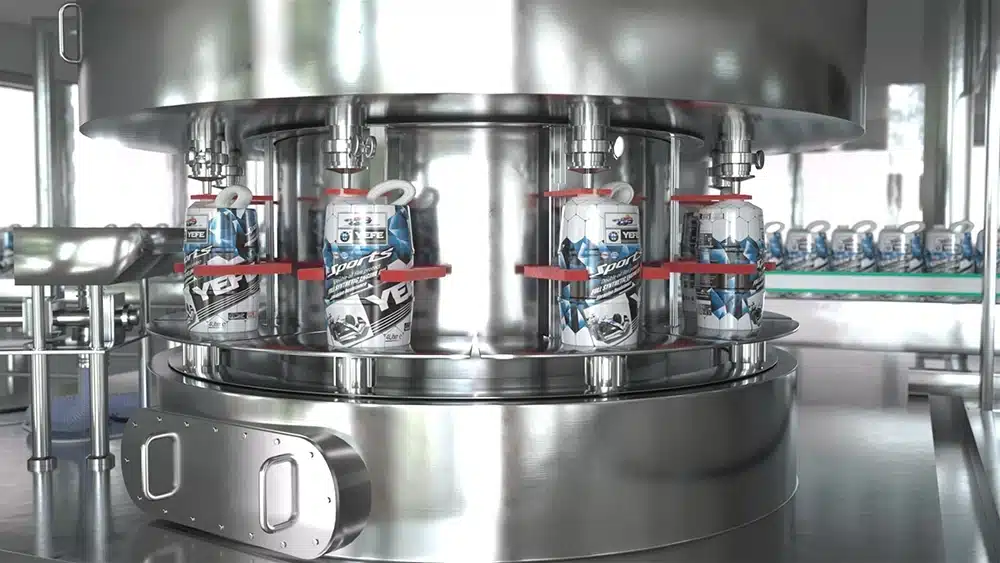
With truck engine oil imports, the bulk oil would normally have the lowest MOQ as it needs little more processing; there is no more bottling, labeling, or further packing. Retail ready packaged oil e.g. bulk oil is less cost effective due to the filling lines set up, quality checks and packaging material set up. Other orders that may be in the medium or upper range are the private label orders which require custom formulation modifications, labeling or a particular bottle design which may require artwork approval, plate production, special separate runs.
MOQ also varies between the trial and the scale orders. Minimal quantities of trials assistance in validating market fit with lesser exposure and ratings and higher unit pricing/preference production will be provided by committing larger amounts. The complexity of formulation (e.g. API CK-4 vs CJ-4) or type of packaging (e.g., bottles vs drums) and labeling requirements are all increase directions of MOQ.
Here is a summary of typical MOQ structures:
| MOQ Type | Typical Application | Importer Impact |
| Bulk oil MOQ | Large fleets / blending | Lower unit cost, higher initial volume commitment |
| Packaged oil MOQ | Retail & distributors | Higher flexibility for smaller market tests |
| Private label MOQ | Brand launch | Inventory planning critical to avoid overstock |
These limits enable importers to just match the order quantities with their cash flow and storage capacity without falling into the usual trap of overcommitting themselves prematurely.
Bulk vs Packaged Truck Engine Oil: Choosing the Right Supply Format
The decision of whether to choose bulk or packaged truck engine oil will depend on your distribution model, storage infrastructure and end-user requirements.
Bulk truck engine oil supply is recommended to large volume purchasers like fleet operators, workshops that have bulk tanks or blenders that decant in smaller containers at the local level. The strengths are a dramatic reduction in the cost per liter, packaging waste is minimized, and the logistics is made easier through flexitanks, ISO tank, or direct tanker delivery. It however involves having on-site storage facilities and equipment used in handling it, and would involve keen attention to contaminations during transfer.
The packaged truck engine oil is more flexible to the importers with retail chains, independent workshops or smaller fleets. Bottles containers or drums are filled ready to be resold or consumed right away reducing the risks of local handling and allowing quicker market penetration. Increased unit cost per-unit consumption cost comes with filling, capping and boxing.
Storage and logistics are also important: bulk products require specific tanks and pumps, whereas packaged goods require warehouse space to be optimized in terms of pallets being stacked in it and two forklifts maneuvering in it. To the numerous importers seeking to venture into new markets, the packaged formats save them the initial investment into infrastructure.
When evaluating supply format options, review reliable sources for bulk and packaged truck engine oil to compare specifications and performance across viscosities.
Packaging Options for Different Distribution Channels

The type of packaging should correspond to the distribution channel target in order to ensure integrity of the product, easy handling, and acceptance by the customers.
Small bottles (in general 1L, 4L or 5L) prevail in retail and workshop market, and can be easily stored on the shelves and dispensed by consumers. They fit inner-city markets or those that have numerous standalone truck repair shops.
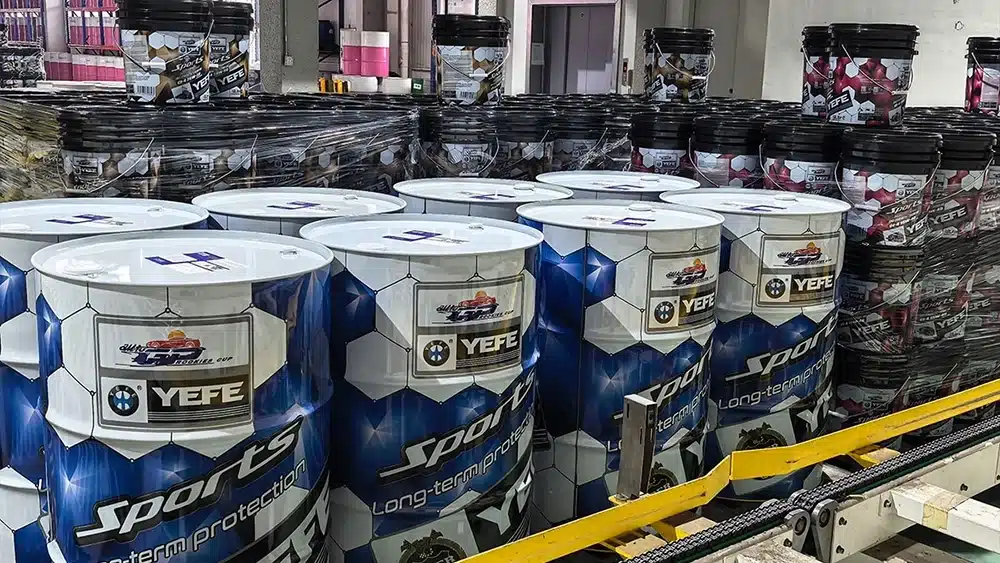
The fleet maintenance process continues to be manually fed on drums (200L steel or plastic) and the technicians fill the oils into the drums or pump the oil by using the drum pumps. They strike a good balance between volume and portability as they come to medium sized distributors.
Industrial users, large depots or blending facilities looking to take advantage of higher capacity, re-usable containers with a minimum of handling use IBC totes (1000L) and bulk formats.
Durability is important: in ocean freight, truck engine oils are subject to vibration, changes in temperature, and piling pressure, hence the packaging should be able to resist leaks, UV degradation, and the risk of punctures. Damage claims are also avoided by proper sealing and palletizing.
The popular formats are summarized below:
| Packaging Format | Typical Use Case |
| Small bottles | Retail & workshops |
| Drums | Fleet maintenance |
| IBC / bulk | Industrial & blending |
Branding and Labeling Options for Importers
Branding and labeling strategies form market positioning and also guarantee the observance of the whole import regulations.
OEM brand means supply under established name and specs of manufacturer, is simple, quick and may be lower MOQ but has lesser differentiation. Branding of the private label truck engine oil gives the importers the opportunity to develop their own brand identity which leads to customer loyalty and possibly, high-profit. This path involves the submission of artwork, label proofs and in some cases formula modifications.
Labeling should comply with regulations in the destination country: multi-lingual labels, hazard symbols, API/ACEA certifications, batch codes, and traceability barcodes. The regulatory requirements are also different: at least certain markets would require some particular viscosity claims or performance claims that are proven by lab reports.
Its visual consistency helps in brand positioning: color scheme, logos and typography must be consistent throughout the grades to create recognition. The execution-oriented importers care more about the label materials of durability, they are resistant to humidity, oil and abrasion damages during ferry and storage.
How Importers Can Align MOQ, Packaging, and Branding
The alignment process begins with the clear vision of a market maturity and distribution objectives.
- To test the market: Excellence: Start with packaged oil in regular bottles under OEM brand and minimal MOQ. This reduces the risk as sales data and customer feedbacks are collected.
- To scale: Once demand is stabilized, switch to the private label to maximize on the prices, and to offer custom drums or IBCs to a fleet client.
- In brand roll out: Phase Introduction: You initiate with core grades (e.g. 15W-40, 10W-30), then further broaden. Packaging and labeling early so as not to delay any production.
- Risk management: Predict storage capacity, cash flow cycle and the time to clear the customs. Order small amounts of buffer stock at a time and not order massive amounts at the beginning.
- This staged benefit when compared to imports allows importers to expand sustainably without investing in slow moving stock.
Some of the most commons errors that importers usually commit when planning on oil imports.
Common Mistakes Importers Make When Planning Oil Imports
Even seasoned importers get into traps that make the costs too high or slow to penetrate the market.
- Recurring the mistake of overcommitting to high MOQ early The common one is to make huge bulk orders early in the belief that demand will pick, only to have to deal with excess inventory and wasted capital. Correction: Begin with trial quantities and scale using actual sales velocity.
- Poor selection of packaging that does not appeal to target market – Ordering of retail bottles to a fleet only channel is a waste of money on unnecessary filling. Fix: Make sure to map to end-user habits and logistics realities and commit to it.
- Overriding information on labeling and compliance- Non-completed artwork is submitted or the local language requirements are ignored and causes customs holds or rejections. Correction: Important to check all the regulatory requirements and make preparations on the compliant designs.
The prevention of such failures will save margins and hasten the profitable development.
Conclusion — Flexible Options Enable Smarter Market Entry

Effective importers of truck engine oils view MOQ, packaging and branding as strategy variables as opposed to being a constraint in the form of limitations. When these elements are aligned to the market maturity and strategy of distributing both mature lubricant arrangements, the importers are able to decrease risk, enhance flexibility and develop long lasting business concerning lubricant. Considerate planning, setting the order size to the cash-flow of the business, the forms to the channels and the branding to the compliance turns the possible limitations to the competitive advantages in the competitive import markets.