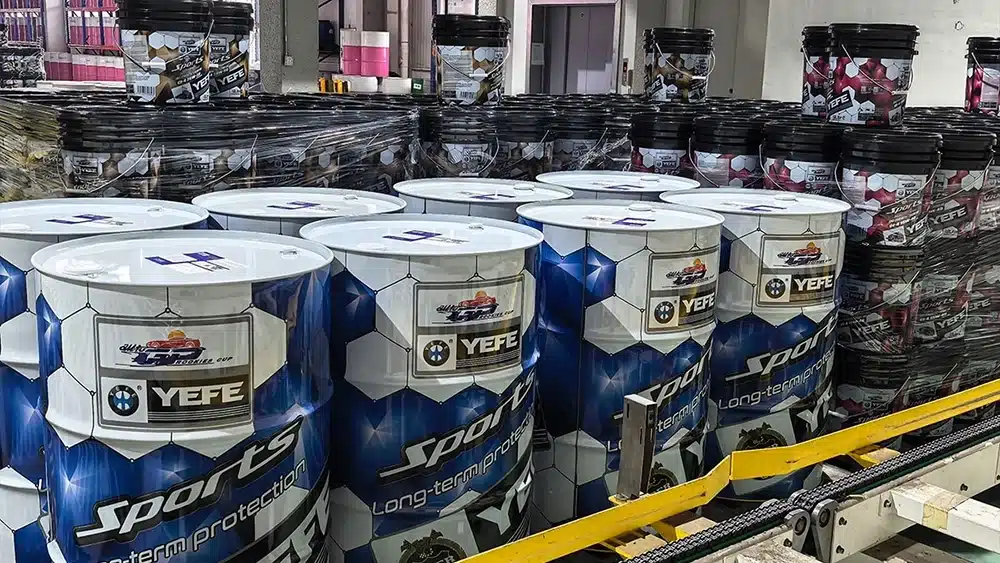
Agricultural and construction machinery need transmission oil which will sustain high loads, varying speeds and extreme operating conditions. Most off-road machines such as excavators, bulldozers, tractors and harvesters are subjected to constant heavy loading, low-speed high-torque operation, and affected by dust, dampness, and adverse climatic conditions unlike on-road vehicles that have relatively constant operating conditions. Application of transmission oil that is not intended to be used with construction or agricultural machinery may profoundly diminish the dependability of equipments and service duration resulting in speed belt degeneration, over heating, and undesignated downtime.

Why Construction and Agricultural Machinery Demand Specialized Transmission Oil
Construction and farm machinery exert the largest strain on the transmission systems compared with the normal automotive usages and necessitate oils be formulated to meet the demands of these jobs.
They often run these machines on heavy and variable loads, pushing heavy material with them or drawing implements on both sides of a variable soil structure. Continuous low-speed, high-torque, transmissions are subjected to throughput, producing a significant amount of heat and shear, therefore. Moreover, equipment has frequent exposure to dust, ingress of dirt, extreme temperatures of freezing in the morning and heat in the afternoon, and in some cases, rain or wet fields.
| Operating Factor | Impact on Transmission Oil |
| Heavy load | High shear stress on oil film |
| Variable speed | Friction stability demand |
| Harsh environment | Contamination risk |
All these contribute to hasten the process of oil degradation unless the formulation itself has made provision of shear-resistant, anti-wear and resistance to contamination agents.
For more details on suitable formulations, see our guide to industrial transmission oil applications.
Common Transmission Systems Used in Industrial and Agricultural Equipment
Various kinds of transmission are used in heavy-duty equipment, and the type of oil required varies between them depending on the kind of lubrication required.
The use of powershift transmissions is common in the new model construction loaders, dozers, and agricultural tractors to enable gear shifting during load operation without need to break power supply. Manual and synchronized gear services are still common in older and less advanced gearboxes whereas integrated transmission-hydraulic services (commonly found with tractors) share a sump between them.
| Transmission Type | Oil Requirement Focus |
| Powershift | Friction control & thermal stability |
| Manual | Gear wear protection |
| Integrated systems | Lubrication + hydraulic compatibility |
The oil should provide the appropriate frictional properties in alleviating effortless clutch involvement in the powershift units as well as safeguarding the gears in the manual system and compatibility with hydrostatic elements in integrated systems.
Key Performance Requirements for Transmission Oil in Heavy Machinery

Oil used in the heavy machinery should be subject to high performance standards to ensure the protection of the heavy machinery components in intense service conditions.
Carrying capacity is also required to ensure an effective oil film is maintained between gears and bearings with a high torque operation. The oxidation and thermal stability ensure that it does not degrade and breaks down in high temperatures during the long-lasting and heavy-duty cycles. Wear and corrosion protection prevents metal to metal contact and rust in dusty or moist conditions.
| Performance Requirement | Why It Matters |
| Shear stability | Maintains oil film under load |
| Oxidation resistance | Extends service intervals |
| Wear protection | Protects gears and bearings |
These features assist with assuring the reliability of performance and reduce the maintenance rate of the heavy-duty usage.
Environmental Challenges and Their Impact on Transmission Oil Performance
The conditions and contaminants that are found in off-road operating conditions test transmission oil effectiveness.
Newcomers may come in via breathers or seals, and abrasive wear if the oil has no good anti-wear additives is likely to happen. The changing temperatures, between COLD starting of the motor during winter and heat of operation during the summer will require oils that have good low temperature flow and those with stability at higher temperature. When exposed to moisture (usually in agricultural lands or wet construction sites), there is a risk of corrosion unless the formulation has effective rust inhibitors.
| Environmental Factor | Oil Performance Requirement |
| Dust | Strong anti-wear additives |
| Heat | Thermal stability |
| Moisture | Corrosion resistance |
Contact with these factors can be tackled by the use of appropriate selection of oil which would enable a component to last longer without loss of integrity.
What Happens If the Wrong Transmission Oil Is Used in Heavy Machinery
Application of inappropriate transmission oil in construction or agricultural machines increases degradation and operational problems.
More wear and overheating are experienced in instances where the oil is not strong enough to sustain the film under pressure resulting in gear pitting, registering damage on the bearings, and an increase in operating temperatures. The lack of efficiency/poor transfer of power Reduced efficiency due to poor frictional properties and result in slow responsiveness, slip in powershift systems or rough engagement. Unplanned downtimes are also general because unexpected failure is to be repaired or replaced.
Consequences often include:
- Wearing of the parts excessive to necessitate an early overhaul.
- Less fuel efficiency due to internal drag.
- Breakdown of fluid resulting in varnish/sludge.
- Possible seal damages by use of incompatible additives.
Such problems have direct effects on the fleet operations productivity and maintenance costs.
How to Select the Right Transmission Oil for Construction and Agricultural Equipment
The process of choosing the right transmission oil entails starting with choosing the right product with respect to the particular needs of the equipment.
Always give importance to OEM advice because manufacturers state fluids that have been proven to work with their designs, their materials and the parameters of their transmissions. Take into account the duty cycle of the equipment, i.e. in the case of continuous loading of equipment, heavy or on-demand use of the equipment, this decides what durability and drain interval has to be. Determine the operating temperature in the operating environment, dust concentration, and dampness so that the oil is stable.
| Selection Factor | Why It Matters |
| OEM recommendation | Ensures compatibility |
| Equipment duty cycle | Determines oil durability |
| Environment | Affects oil stability |
Hydraulic-transmission compatibility Check on wet brakes, clutches, or hydraulic performance to ensure compatibility with integrated systems.
Common Misconceptions About Transmission Oil in Industrial Machinery

There are a number of myths about the use of transmission oil by the heavy equipment.
- The gear will take any gear oil with a heavy piece of equipment — Frictional modifiers and shear stability required in powershift or built-in systems is usually absent in standard automotive gear oils, and then it starts to wear out or have corrosion.
- Higher viscosity is always good protection Higher viscosity will always result in poor action under low temperature, high drag and it will not be able to be cooled, whereas too low viscosity cannot resist the load.
- Transmission and hydraulic oil are similar– In most agricultural tractors, universal tractor transmission oils (UTTOs) are used in both applications, and specialized hydraulic oils do not have the friction control required to operate transmissions, or specially designed universal transmission oils (Universal oils) do not have the required viscosity to act as a hydraulic fluid.
Knowledge of such differences will eliminate expensive mistakes.
Conclusion — Proper Transmission Oil Selection Supports Equipment Uptime
When choosing transmission oil to use in construction and agricultural machinery, one has to know operating load, environmental conditions and transmission design. Appropriate choice on oil assists in sustaining performance, safeguarding parts, and facilitating extended reliability on equipment. By aligning the fluid to the requirements of the application, be it the powershift friction demands, gear wear security, or the compatibility of the system within the bigger context, the operators will be able to obtain increased durability, controlled temperatures and less likelihood of the final system to fail at any moment. This will help to increase uptime and a more predictable maintenance in the challenging off-road conditions.