The harsh weather, laborious work, and different quality of fuel inform the needs of truck engine oil in Africa and the Middle East. Most purchasers believe that in the global truck engine oil specifications, there is a certain universality, but the conditions in the region require modification. Accelerated oxidation, premature wear or consumption of oil that is not predicted are likely outcomes of using generic formulations. To address the needs of truck engine oil requirements in Africa and the Middle East means that they must match the actual operating stress rather than nominal requirements. Knowing of these factors will make importers and distributors minimize the chance of engine failures and gain long-term confidence in the market.
For those supplying these regions, selecting the right truck engine oil for African and Middle East markets putting choices on the formulation that will survive the heat-dust-weight combination.

Operating Conditions That Define Oil Requirements in These Regions
The service conditions in Africa and the Middle East are highly stressful on the truck engine oils to the extent that most of the temperate-climate specifications do not foresee.
Cases of trucks in these areas often experience long and high ambient temperatures, over loaded loads over extended routes, and roads that are either paved highways or even unpaved tracks filled with dusts and sand. All these contribute to the faster deterioration of oil, the enlargement effect on the wear and tear of the important parts, and the need to use effective additive systems.
| Regional Condition | Impact on Engine Oil |
| High ambient heat | Accelerated oxidation |
| Heavy load cycles | Increased wear stress |
| Dust and sand | Higher contamination risk |
| Long service intervals | Additive depletion |
Increased ambient heat leads to base oils getting thin and oxidizing more rapidly resulting in low film strength and fostering sludge. Heavy loads found in mining, construction and cross-border freight cause high shear loads and heat production in bearings and pistons. Even good filtration introduces dust ingress which with the score-ability of cylinder walls in case the dispersancy of the oil is poor. Long intervals in drain, which are sometimes sought to reduce the downtime of remote locations, put further pressure on the antioxidants and detergents.
Climate and Temperature Considerations for Truck Engine Oils
One of the most significant variables with a significant impact on the work of truck engines oils in these markets is extreme heat.
Ambient temperatures are routinely above 4050 C in most areas of the Middle East and the north African regions with even greater temperature in engine bays under load. Oils have to exhibit superior thermal stability in order to avoid viscosity breakdowns, excessive evaporation, and deposition.
Thermal stability provides sufficient film thickness protection of the oil when operating at high temperatures. In hot climates, lower viscosity grades may shear excessively and reduce the lubrication of the rings, liners and the turbochargers. Greater grades of viscosity can be applied in maintaining the integrity in oil films but they need to balance it with necessary nighttime cold-flow conditions as temperatures are expected to decrease.
The issue of evaporation loss emerges as a feasible issue – volatility may result in increased oil used, which needs to be refilled with more frequency and the operations of fleet owners costs more. The base stocks are of a synthetic origin or greatly refined in modern formulations, which increases evaporation resistance and does not worsen performance.
Fuel Quality and Its Influence on Engine Oil Performance

The quality of fuel is widely diverse in Africa and Middle East and directly influences the performance of the truck engine oil as well as its age.
Diesel of lower sulfur content than in regulated markets is still common in many regions, but in countries such as Saudi Arabia, UAE and some in East Africa, it is improving to less than 50 ppm of sulfur. Increased sulfur levels encourage acid generation in the combustion process that enhances acidic wear and load soot in the crankcase.
High soot also contributes to the rapid rise in viscosity, and may cause sludge and filter plugging in any given time. High power detergent and dispersing packages are required in oils to neutralize the acids and keep the soot suspended, so that the engine does not agglomerate and in order to keep them clean.
Although low-sulfur fuels are increasingly becoming mainstream, very high-sulfur diesel and fuel stations in remote or less- Considerable places and locations continue to exist and thus, the high-grade TBN (Total Base Number) retention is critical to ensure longer-term protection.
Typical API and Viscosity Preferences in Africa and Middle East Markets
Operators of fleets and distributors in these areas prefer the preferences of truck engine oil which has been tested to withstand the local stresses.
The use of API CK-4, CJ-4, and CI-4 types still enjoys a great popularity as they provide a good resistance against oxidation, wear, and the problem of soot in the heavy-duty diesel engines. These types are applicable to both a newer and older fleet that may contain used imports of old trucks with different engine designs.
The viscosity rates incline towards greater rates to oppose heat and load. Multi-grade oils allow it operation under both high and low temperatures.
| Market Preference | Reason |
| Higher viscosity grades | Heat and load resistance |
| Proven API categories | Compatibility with older fleets |
| Multi-grade oils | Operational flexibility |
The most popular options are SAE 15W-40 and 20W-50 that remain thick in case of extreme temperatures but provide acceptable pumpability. At warmer areas, 20W-50 is a better choice due to its high-temperature capability.
Import and Distribution Considerations for Regional Markets
Effective supply to Africa and Middle East is not just a matter of product choice, but one that entails usable handling and adherence.
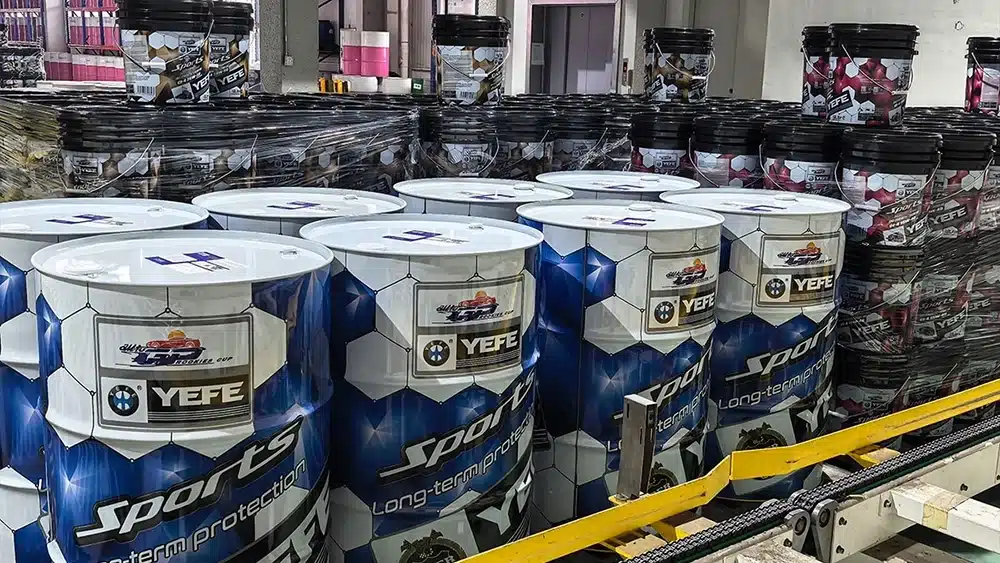
High temperature stability; oils should not be subjected to oxidation when held long in the warehouse without climate control in the non climate-controlled facility. The packaging must be tough enough to take hard handling- the drums and IBC must be tough enough to handle hard transportation, sun rays, and swings in temperatures without leaking or decline.
Labeling should comply with the local regulatory and language standards, and this typically involves Arabic in the Middle East, and multiple languages in various African markets. Control of misuse by clear instructions on viscosity, API rating and handling.
Common Mistakes When Supplying Truck Engine Oils to These Markets
A number of repetitive mistakes are compromising performance and customer satisfaction in the provision of truck engine oils to these regions.
- Also, to apply oil recommended in temperate conditions: There is application of lighter-duty-oil formulation that is lower in viscosity or even the use of lower-specific 5 cpt recommended oils has been suggested in conditions requiring low temperatures or low viscosity since it thins, gets poor film strength and increases wear rate in extreme high temperatures. Revision: Give priority to high temperature stable grades that have strong additive systems.
- Difficult consequences of fuel and maintenance ignored – The use of low-TBN oils in places where high-sulfur fuel still exists leads to the rapid loss of acid neutralization and corrosion. Precaution:Use heavy oils that have adequate TBN retention and detergency properties when the fuel quality varies.
- Ignoring storage and transportation environment – Packaging that is not temperature or coarse-handling resistant will leak, be contaminated or have the labels washed away. Fix: Reinforced containers and UV-resistant labels that are regional-specific in terms of logistics.
These failures are usually caused by the assumption of similar world conditions, which would result in the premature failures and lost trust.
Conclusion — Regional Fit Determines Market Success

The performance of truck engine oils in the Middle East and African markets will be based on the extent of a product conformity to the operating realities in the region. Through the application of climate, load, and fuel quality and infrastructure, importers and distributors can provide oils that can offer sound protection and provide a long-term market acceptance.By matching specifications with field loading stresses, instead of using a broad-based approval, the worst downtime is reduced, engine life increased and the voice of a sustainable fleet operation in these high-stress areas is enhanced.