Engine coolant is a specially formulated fluid that circulates through the cooling system to keep your engine at an optimum temperature, prevent freezing in cold weather, prevent boiling in hot weather and prevent corrosion in the internal components. A lot of people think of it as colored water, but a good engine coolant is a carefully formulated mixture designed for today’s engines, particularly those that contain aluminum parts, and are subjected to the harsh realities of driving in tough environments such as stop-and-go traffic, towing, or even extreme weather.
We have been developing and testing coolants for distributors and workshops in various markets for years and years at YEFE. This knowledge of the engine coolant and its function will help any car owner, mechanic or fleet manager prevent expensive repairs and ensure the long-term reliability of their engine.
What Exactly Is Engine Coolant?
Also known as antifreeze when it’s combined with water, engine coolant is a base fluid, water, and a package of performance additives. The concentrate (antifreeze) is usually ethylene glycol or propylene glycol based, and then diluted (usually added 50/50 with distilled water) to make the working coolant.
Antifreeze and coolant are often synonymous, but in practice, antifreeze is the concentrated product, and coolant is the diluted solution. Tap water contains minerals which may cause scale and decrease effectiveness if used in place of distilled or demineralized water. Pre-mixed coolants are easier for the general public to use, whereas the concentrates allow the user to vary the mix ratio according to climate.
Main Functions of Engine Coolant Beyond Just Cooling

A good engine coolant is more than just a heat transfer medium. It has four main functions:
- Heat transfer: Absorbs excess heat from engine and transfers it to radiator.
- Freeze protection: Reduces the freezing point and prevents expansion damage in winter.
- Protection from boil over: Higher boiling point; can work in high-temperature conditions without vapor lock.
- Corrosion & scale protection: Protection of metal surface, hoses and seals against corrosion, oxidation and scale.
The incorrect or poor quality coolant can cause serious damage in the form of overheating, cracked blocks, or damaged radiators—repairs that can cost several thousand dollars.
How the Cooling System Works with Coolant Circulation
The engine cooling system is a closed system. Coolant circulates through passages in the engine block and head, absorbing heat from the engine as it goes. When the engine is heated, the thermostat will open and hot coolant will circulate to the radiator. There the air flow (with the help of the cooling fan) takes away the heat before the cooling fluid goes back into the engine. When required, the heater core transfers a portion of the hot coolant to the cab for heating.
The system facilitates constant circulation of this fluid and maintains the engine at an optimum temperature (usually between 90 to 100°C), thus ensuring combustion efficiency and reducing wear.
Key Components That Rely on Proper Coolant
There are a number of components that rely on clean and efficient coolant:
- Radiator: Cools the system, clogged passages from old coolant make them less efficient.
- Water pump: Circulates the fluid, leaks and corrosion can lead to failure of the seal.
- Thermostat: Controls flow, can get stuck and cause overheating or a slow warm-up.
- Hoses/Heater core: Carry fluid, poor fluid quality leads to cracking or clogging.
- Expansion tank: controls and regulates changes in pressure and fluid level.
The first thing that typically fails in these components due to neglect of the quality of the coolant is leakage, poor heating or warnings.
What Is Coolant Made Of? Base Fluids and Additives
Typically it is a 50/50 mix of water and glycol that is used as the base. Water has a high heat capacity and will freeze at 0°C and boil at 100°C and will not offer any inherent protection against corrosion. Ethylene glycol provides better freeze/boil protection, but is more poisonous, while propylene glycol is a less toxic alternative for some uses.
The Role of Corrosion Inhibitors and Additives
It’s additives that make the difference between plain old antifreeze and a high-performance coolant. Corrosion inhibitors, e.g. organic acids, silicates, phosphates, borates, coat the surface of the metal and protect it. Anti-foaming agents, dyes for identification and other chemicals prolong life and help to keep the system clean. These additives can be depleted over time regardless of the fluids appearance, so regular fluid changes are necessary.
What Happens When Coolant Fails or Is Misused?

Poor quality old or wrong coolant may cause over heating, internal corrosion, sludge formation and component failure. In warm climates, blocked radiator cores or vapor problems may be experienced when under load. Rust and subsequent failures in head gaskets or oil contamination in the lubricating system that creates a mess are common problems in workshops.
Common Mistakes Drivers and Workshops Make
- Frequently adding plain water – dilution of protection.
- Combining incompatible coolants, leading to gel like deposits.
- Snoozing alarms or not paying attention to them until the temperature reading is high.
- Failure to bleed the air after each service, causing hot spots.
- Using universal fluids without consulting OEM specifications.
Often these mistakes lead to water pump failure, head gasket problems or complete flushing of the system.
Types of Engine Coolant at a High Level
Coolants can be broadly classified according to the technology of their inhibitors:
- Traditional green or blue silicates and phosphates based formulas with no additives, such as IAT (Inorganic Additive Technology). It works well on older engines, but has a shorter lifespan.
- OAT (Organic Acid Technology): Modern aluminum engines that offer extended life in orange or red shades, thanks to the use of organic acids.
- Elements of both, broad applicability to many vehicles: HOAT (Hybrid Organic Acid Technology).
Coolant Colors vs Actual Chemistry
Color typically is used to identify the manufacturer and is not a good indicator of type or compatibility. Do not assume anything from color, always read the label for specifications such as ASTM or OEM approval. The combination of unknowns may lead to incompatibility issues.
How Coolant Protects Engines in Hot and Cold Climates
Heavy traffic conditions in tropical climates or freezing conditions in colder climates prevent boil-over when the correct coolant mix is used. In climates where temperatures are generally warm, the needs for excellent corrosion and boil protection are high in high under-hood temperatures and stop and go driving.
Examples from Real-World Operating Conditions
A hot city’s taxi fleet needs reliable coolant to cool down the engine during constant idling without overheating. It is important that towing pickups have substantial boil over reserve under load. In mixed applications, delivery vans will appreciate additives that will provide protection over a range of temperatures. In every instance, quality coolant performs silently in the background, helping to prolong engine life.
Basic Maintenance Guidelines for Engine Coolant
Always check levels when cold, inspect for discoloration, rust and oil and add only the right type of oil. Maximize the mileage period or time frame recommended by your vehicle manufacturer, usually 30,000–50,000 miles or 3–5 years for conventional coolants and extended-life coolants for 5–7 years.
When to Replace Coolant and When to Seek Help

Replace according to intervals and/or when issues are observed. Do NOT open a hot system. Also, if these lights are on repeatedly, it is a sign of a problem with the coolant system, which should be addressed by a professional. By considering coolant as a routine maintenance item, far more costly repairs are avoided.
How Professional Coolant Manufacturers Add Value for Distributors
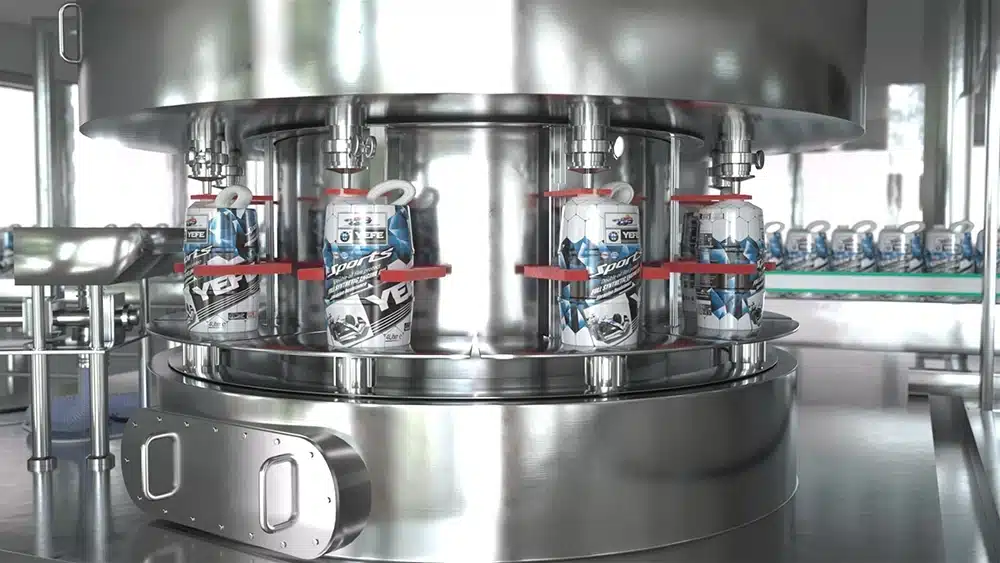
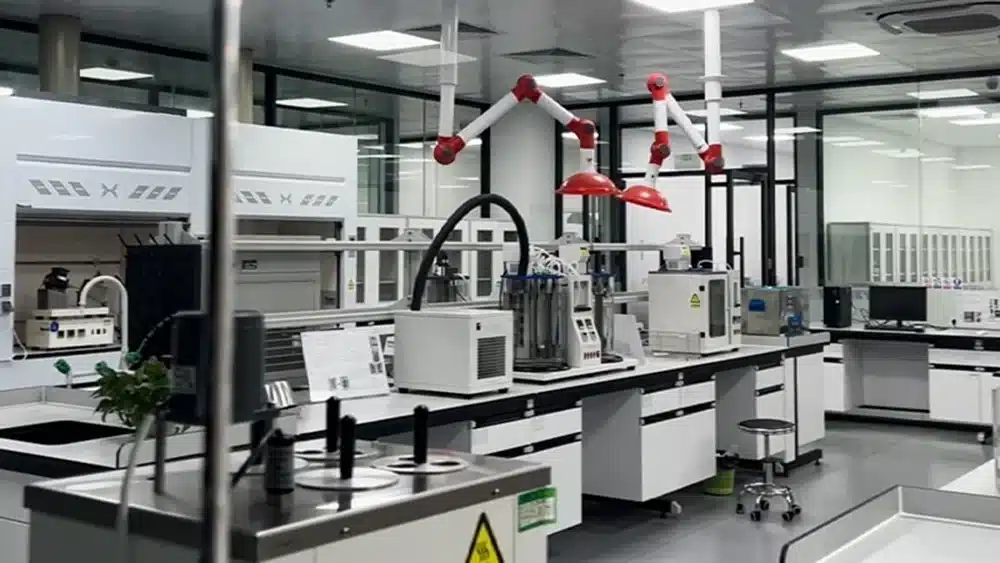
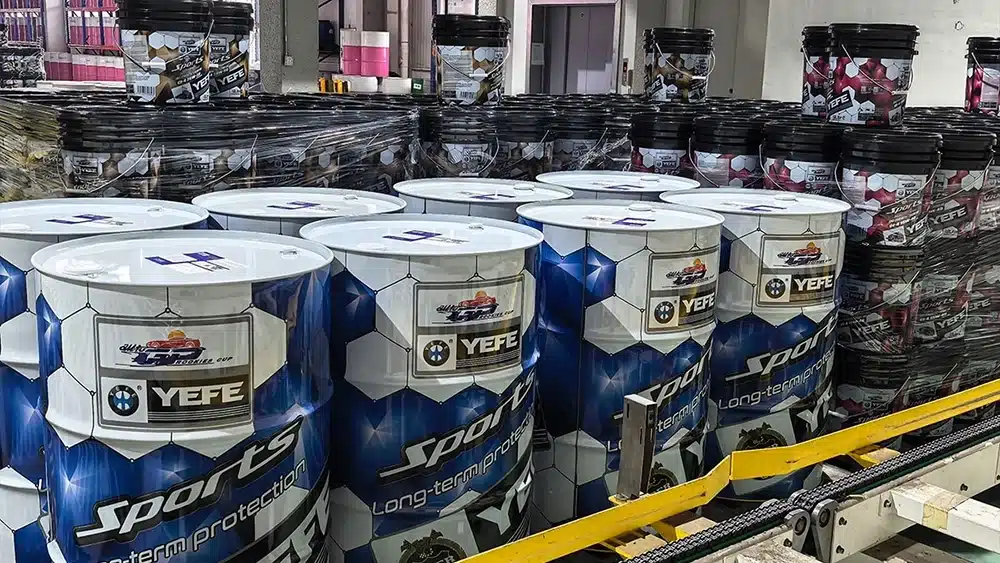
With a long history of manufacturing, YEFE puts money into laboratory testing, corrosion bench testing, and real-world compatibility testing. We assist distributors in providing technical documentation, region-specific formulations, private labeling, educational materials for end users, and minimize warranty claims.
Questions Distributors Should Ask Their Coolant Supplier
- What standards is the coolant approved for? What OEM approval does the coolant have?
- What are the metals and materials with which it has been tested?
- What is the service life of the recommended product?
- What technical/Marketing assistance is provided?
When you select the right partner, you will have reliable products and better business connections.