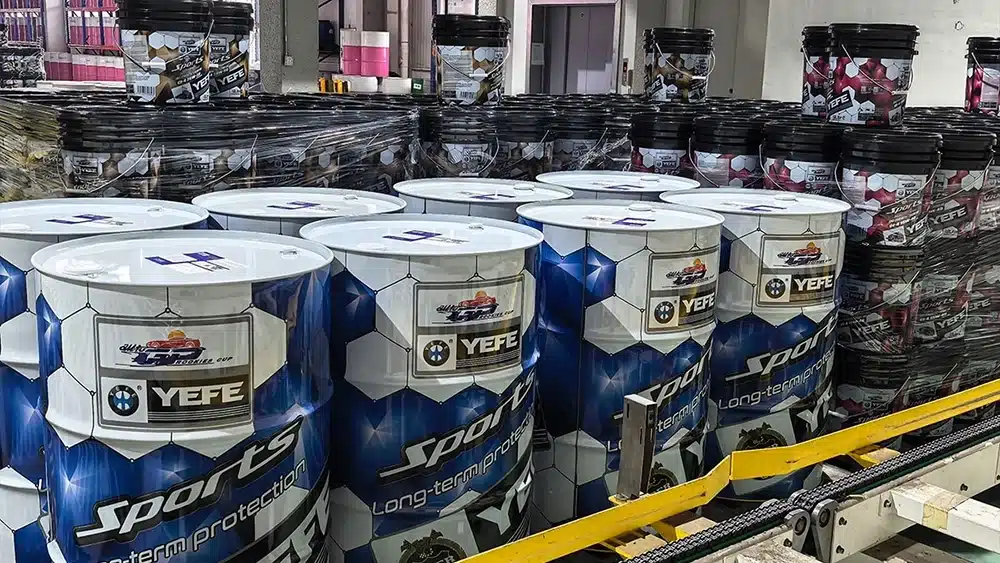
When driving heavy loads, the most suitable viscosity of truck engine oil is the type that does not affect circulation or thermal regulation. Engine bearings, pistons and other important parts require heavy loads which call on effective lubrication to avoid metal to metal contact. Simultaneously, viscosity should permit free and swift movement of oil to dissipate heat and additives to the areas of necessity.
Most people will think that the higher the viscosity the more protection it gives the operator when they are on heavy load, yet too much can be detrimental like the inverse refraction of too thin oil. Excessively viscous oil inhibits circulation, elevates operating temperatures, and diametric interior drag. Properly viscous oil under heavy load diesel engine oil is highest grade that develops maintenance of oil film as well as permits effective circulation under actual conditions of operation.

How Heavy Loads Affect Engine Lubrication
Exceptional demands are exacted by heavy loads on the lubrication system of a truck, which is much greater than those experienced when the work is lighter in character.
An augmented compressing load due to hauling topmost weight or rising inclines, makes constituents more intimate, and puts the chance of boundary lubricant circumstances where the oily film is the meagerest. This increases friction and heat generation in the localities. The high operation also speeds up degradation of oil by oxidation and additive depletion as well as increases the thinness of the oil further unless the viscosity of the oil is stable.
The following are some of the main effects:
| Load Effect | Impact on Engine | Lubrication Requirement |
| High bearing pressure | Increased metal contact risk | Strong oil film |
| Elevated temperature | Faster oil degradation | Thermal stability |
| Sustained operation | Additive depletion | Durable formulation |
Such conditions demand an oil that is able to form adequate and protective film under extreme pressure conditions as well as withstanding thermal breakdown.
Understanding Viscosity Behavior Under Load and Temperature
The viscosity is used to define the oil formation and the ability to remain in a protective film between moving parts particularly when there is a high shear and pressure in heavy loads.
The greater the viscosity is, the greater the thickness of the oil film which offers better separation of surfaces in heavily loaded bearings. Nevertheless, viscosity is extremely temperature sensitive: oil becomes thinner when it works at high temperatures, and becomes extremely thick in the cold. That is why the oil of multi-grade 15W-40 or 10W-30 prevails in heavy trucks. The low-temperature flow (pumpability and cold-start protection) is represented by the number W, and high-temperature viscosity as an indicator of the film strength of the engine is hot and under load is represented by the second number.
| Viscosity Condition | Engine Impact |
| Too low | Oil film breakdown |
| Too high | Restricted circulation |
| Correct balance | Stable protection |
Multi-grade formulations using viscosity index enhancers allow to sustain performance at a broad range of temperatures, which is important to trucks starting in cold as well as during extended duration of heavy-haul operations.
Why “Higher Viscosity” Is Not Always the Right Answer

Although the intuitive idea is that the thicker the oil the better, when it comes to heavy load diesel engine oil, the excessive viscosity has real disadvantages in the present day engines.
The more viscous grades bring about internal resistance (drag) to the engine making the pump do more work and parasitic losses increase. This limits the pumpability in cold starts or long idling periods as the oil is sluggish to reach the critical parts. With time, the limited flow will affect the ability to dissipate heat, which may increase operating temperatures and increase rate of oxidation. It also loses fuel efficiency due to increased consumption of energy to overcome fluid friction by the engines.
For many operators considering options for heavy loads, high-viscosity engine oil for heavy loads may seem appealing — however, the trick is to match the viscosity to the reality, not to turn to the oiliest grade.
Matching Viscosity to Real Heavy-Duty Operating Conditions
The optimum truck engine oil viscosity is a factor of ambient temperature, engine design, and duty cycle and not load alone.
The oils used in hot climates or long haul operations in summer seasons shall retain a sufficient amount of high-temperature viscosity to discourage thinning and film breakdown. Tight bearing clearance engines (many modern ones) tend to have better performance with a lower grade of viscosity in order to maintain an adequate flow. Load profile is also a consideration: high frequency high-low-shear stability is required to obey frequent heavy operations, and balanced thermal control is helpful with continuous highway hauling.
| Operating Factor | Viscosity Consideration |
| Hot climate | Higher thermal stability |
| Cold starts | Adequate low-temp flow |
| Long-haul heavy load | Balanced film strength |
Always check the recommended range of viscosity as stated by OEM since the current engines have been dictating low-viscosity (10W-30 CK-4 or FA-4) grades to achieve optimal efficiency without negatively affecting performance when in operation.
How Viscosity Choice Affects Wear, Heat, and Fuel Consumption
Three key performance areas direct the influence of viscosity these include, wear protection, heat management and fuel economy.
On high-loaded bearings and cylinder liners, a hydrodynamic film formed by a well-balanced viscosity reduces the wear of boundaries of bearings and cylinder liners. Anything less, and the film will burst under stress and scuff and hasten the metal contact. Excessive, and poor circulation causes low heat transfer efficiency, leading to local hot spots, which accelerates the degrading rate of oil.
High viscosity leads to increased pumping and frictional losses, which increases fuel consumption — experiments have demonstrated that inappropriately thick oils can contribute significant drag to the engine. On the other hand, an optimized grade minimizes such loss and still provides sufficient film strength, aiding to improve the overall efficiency, without compromising the life of components.
Common Mistakes When Selecting Viscosity for Heavy Loads
There are also viscosity errors made by even experienced operators that affect the reliability of engines.
- Basing viscosity selection based on load selection Only – Discourages returning to hot operations The heavy loads in hot conditions require thermal stability rather than simple thickness.
- Disregard of operating temperature – Choosing by ambient considerations devoid of peak engine temperatures gives either ineffective film strength or high drag.
- There is no universal grade of the truck, depending on what kind of engine it has (bearing clearance, oil galleries, emissions systems) will necessitate a particular amount of viscosity; what might work well in an older engine would starve a newer engine.
Fixing these is how a viscosity will favour and not constrict engine survival during the heavy-duty wearing conditions of the real world.
Conclusion — The Best Viscosity Balances Protection and Flow

To choose the appropriate viscosity of truck engine oil in cases of heavy loads, one should know how a load, temperature, and engine design are related to each other. An optimal viscosity is the one that safeguards elements under pressure that also ensures efficient oil circulation and thermal regulation.
Instead of compromising on the thickest possible option, consider the operating conditions as a whole: consult with the OEM suggestions, taking into consideration ambient and engine temperatures, and user-match the grade with the duty cycle. This compromise strategy provides dependable wear protection, manages heat buildup, and additional long-life engine performance in heavy-duty use.