The distributors and wholesalers in the lubricant industry have a very tough sourcing choice to make; they can either collaborate with the engine oil manufacturers or they can use the trading companies. This option extends beyond the immediate pricing and it has a direct effect on product consistency, scale, credibility of the brand and the overall competitiveness. Sourcing is an operation decision that is long term and not just a price comparative exercise.
Another myth among the buyers is that there is no difference between the value offered by traders and manufacturers. As a matter of fact, their operational functions and long term potential vary radically. It is also more directly involved in engine oil manufacturing, which gives the distributors more ability to control the quality, stability in supply, and have long-term development.
The distributors prefer the engine oil manufacturers to the traders due to manufacturing control, which offers consistency, scalability, and long-term reliability, which the trading models do not offer.

Manufacturers vs Traders: Understanding the Structural Difference
The fundamental difference between engine oil sellers and the traders is the degree of participation in the production and quality control.
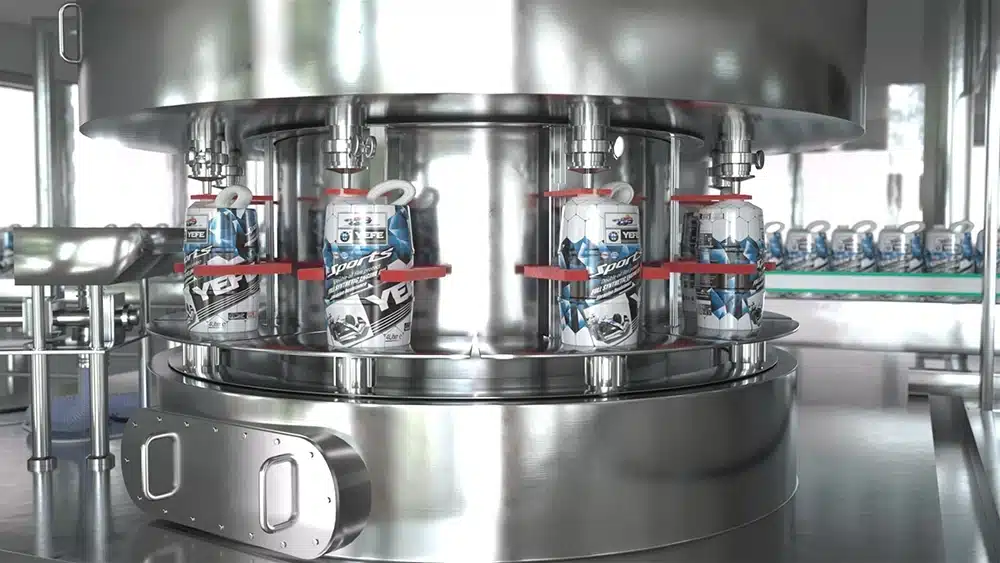
The manufacturers of engine oil own and operate manufacturing plants, with formulation, blending, filling, and testing being in-house. They direct the process of selection of raw material to the final packaging.
According to the trade companies, on the other hand, trading companies are intermediaries. They also buy products of different manufacturers (in most cases more than one), and they resell them without participating in production.
This is the structural difference that sets distinct demarcation in accountability:
| Aspect | Manufacturer | Trader |
| Production control | Direct | None |
| Quality responsibility | In-house | Indirect |
| Traceability | Full batch-level | Limited |
| Scalability | High | Dependent on suppliers |
Such distinctions are particularly applicable in those cases where distributors wish to establish their own brand or they need to exercise high standards of performance across markets.
Quality Control and Product Consistency
Even a slight change in batches of the lubricant product is uncompromising in the lubricant business where a customer may report some problem in the engine or a warranty or may not be satisfied with the product at all.
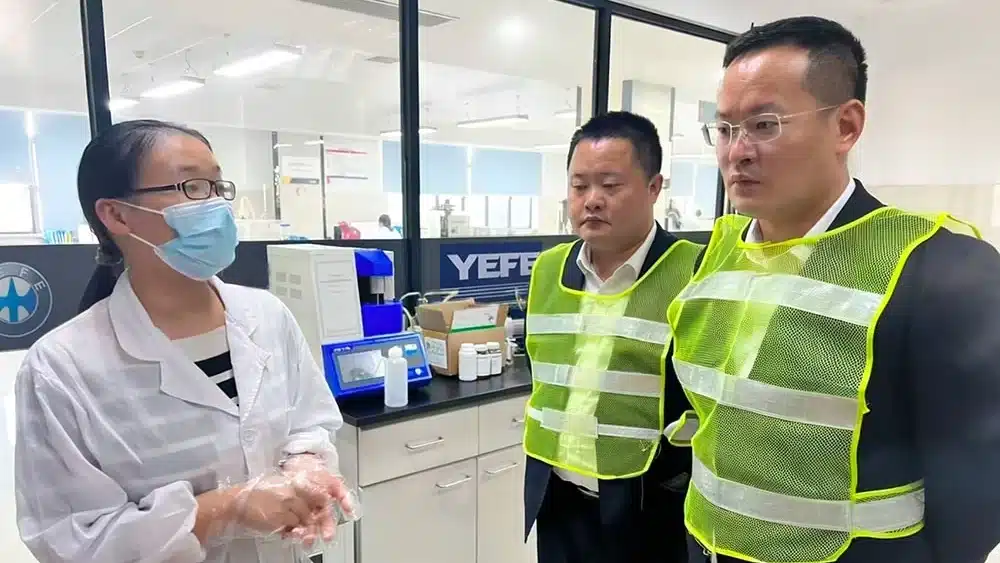
Manufacturers have their own laboratories and stringent QC systems that check each manufacturing process -base oil mixing through additive addition and checking final viscosity. This guarantees that the stability of oxidation, accuracy of viscosity and protection properties are maintained within narrow limits between batches.
Without direct production control, traders have to rely on supplier statements and scanty sampling. Variability may arise when the products belong to different plants or when there is a change in the supply chain and there is likelihood of unstable performance.
To distributors that are interested in developing trust with mechanics, fleet operators, and end-users, this in-house control minimizes rework, returns, and reputational damage.
Manufacturing Capability Enables Customization and Growth

Direct entry to manufacturing would create opportunities to customized solutions that contribute to the development of distributors in various markets.
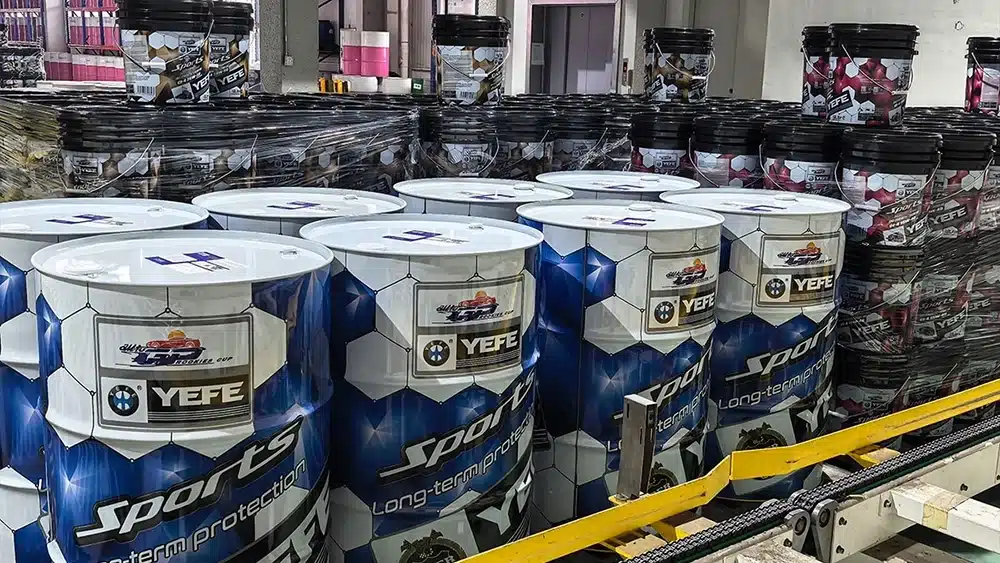
Manufacturers are able to make formulations responsive to controlled parameters, handle a broad spectrum of SAE grades and API specifications and increase packaging size by small bottles to bulk drums. This is used in supporting the custom label format and localized applications of the market like climate-modified viscosities or performance standards of heavy-duty use.
Off-the-shelf products are usually sold by traders with minor customization because the assortment of the trader relies on what their supplier network offers. Manufacturer volume scaling is more predictable because MOQ, blending slots, and lead time sit in one production plan.
| Capability | Manufacturer Advantage |
| Formula adjustment | Controlled and repeatable |
| Packaging formats | Flexible |
| Volume scaling | Predictable |
| New market entry | Supported |
In examining their alternatives, distributors tend to consider the product range an engine oil manufacturer product range to assess alignment with their growth plans.
Supply Stability and Risk Management
The margins and relationships of customers could be washed away easily in the lubricant industry due to supply disruptions. That is a core reason distributors treat supply stability and risk management as a sourcing issue, not only a logistics issue.
Manufacturers schedule the purchase of raw materials, keep records of the manufacturing schedules and run special facilities which will have a lesser reliance on the outside parties. They will be in a better position to predict variations in demand and respond to them.
The risk of disruption is increased among traders: they need a number of different upstream suppliers, and any may cause at the manufacturer level delay, quality factor, and/or change in allocation can impact availability. This extra layer heightens uncertainty in volatile markets – where the price of base oil is rising and falling, or there is a geopolitical cause, etc.
To distributors that need to develop long-term presence in the market, stable supply by a manufacturer aids in stock management and customer promises.
Transparency, Compliance, and Long-Term Accountability
Regulatory compliance and documentation are increasingly important in global lubricant trade.
Lubricant trade is becoming more and more regulated and documented in the global market.
Manufacturers also have a direct responsibility in terms of international standards (API, SAE, OEM approvals), maintaining complete traceability, and having audit-ready records throughout the product lifecycle. They are responsible in MSDS, COA, and export documentation.
Upstream compliance is relayed by the traders and may cause a lapse in transparency or responsiveness to an audit or claims.
This close responsibility gives the distributors more confidence in response to regulations or in gaining credibility among brand-conscious consumers.
Cost Perspective: Short-Term Price vs Long-Term Value
The traders tend to offer low opening prices by buying at a low price or get short-run contracts.
Yet, such savings may be accompanied by unnoticed expenses: batch inconsistencies that will have to be reworked, increased returns, supply disruptions that will result in loss of sales, or even extra quality tests.
Collaboration with manufacturers often provides greater long-term margins in terms of predictable prices, less waste and fewer disruptions in operations. It is no longer about lowest cost per unit, but the value over time.
Common Misunderstandings About Sourcing from Manufacturers
There are a number of myths concerning stopping the collaboration with engine oil producers:
- Manufacturers are not as malleable as traders – In reality, traditionally set manufacturers will provide in-depth customization, packaging and volume maneuverability to serious customers.
- OEM manufacturing restricts the freedom to branding -Numerous manufacturers are involved in the production of private label and OEM/ODM products; this gives them an opportunity to completely control the branding without being bound to production.
- Traders lessen the duty of operation – Traders take away part of the logistics although they are not able to offer the degree of quality and supply responsibility that manufacturers can offer.
Discussing these assumptions will allow distributors to make decisions guided by realities of operation, and not old notions.

Conclusion — Manufacturers Support Distributor Growth, Not Just Supply
The sourcing of engine oil is a strategic move which determines the reliability of the product in the market, operational efficiency and positioning. Distributors prefer engine oil manufacturers due to the consistency, scalability and accountability that manufacturing capability provides that is difficult to match by trading models. Knowing the structure of the manufacturers and traders is the key to making the right choice on the lubricant sourcing strategy and facilitating the sustainable development of competitive markets.