There are many areas where EVs have changed the way powertrain components are designed, such as eliminating engine oil and automatic transmission fluid from the equation, but not many where they are even more demanding on specialized bearing and motor greases. For EV bearings and motors, the grease has to withstand high speed, temperature extremes, electrical loading and noise and vibration and harshness (NVH) requirements in addition to providing maximum driving range and service life.
YEFE has supported OEMs, Tier-1 suppliers and distributors who have been through these transitions. The right EV motor bearing grease is not a product that can be found at any grease station—it is a specially formulated synthetic grease designed to provide low friction, shear stability, oxidation resistance and material compatibility. This guide details the specific issues that arise with EV applications and offers some guidance on choosing a suitable application

How EV Bearings and Motors Operate – Key Lubrication Demands
EV traction motors and auxiliary electric motors are required to withstand challenging conditions of high rotational speed, high power density, compact design and quick torque adjustments. These systems typically use bearings that operate at speeds (DN) higher than a conventional vehicle (bore diameter in mm × rpm) and cause high heat and mechanical stress. Thermal interactions between the motor and the gearbox occur in many e-axle types, which can lead to excessive temperatures and electrical currents in the gear grease.
High Speed, High Temperature, and Electrical Environment
When using for high speed operation, the grease must have sufficient stability to keep the film of lubrication and prevent any excessive churning or drag at high speed, otherwise the result is a loss of efficiency and range. Heat can build up rapidly in small enclosures, requiring high thermal stability and oxidative stability. Also, in certain motor designs, electrical fields create other potential issues including stray currents and electrical discharge machining (EDM) leading to pitting on bearing surfaces. Good grease must alleviate these problems by proper formulation.
Core Functions of EV Motor Bearing Grease
Grease in EV has multiple important functions other than lubrication:
- Reducing friction and wear under changing loads and speeds
- Protecting against corrosion and ingress of contaminants
- Keeping it “sealed” and “stationary” but not moving too far.
- Making sealed designs “fill-for-life”
EV-Specific Expectations: Range, NVH, and Durability
Expectations for quiet running and low energy consumption are greater for EVs. Regardless of the noise, vibration or extra drag caused by the grease, it will impact cabin comfort and battery range. Durability is critical — bearings are expected to perform for the vehicle’s warranty period without requiring relubrication or with a minimum of relubrication, and therefore must be resistant to oxidation and have mechanical stability.
Selecting Base Oil for EV Motor and Bearing Greases
High performance greases for EV use are usually made not with mineral oils but with synthetic based oils like polyalphaolefin (PAO) or esters. They possess excellent low-temperature flow properties, high-viscosity index for temperature stability and good thermal and oxidative stability – which are essential for cold climate start-up applications.
Choosing the Right Base Oil Viscosity
The range of 90–120 cSt at 40°C is the typical viscosity of electric motor bearing greases, but may vary according to the type of bearing and its speed and load. The objective is to strike a balance – if the viscosity is too low, it is possible that the film strength is not sufficient under peak conditions; too high causes high internal friction and heat generation, which negatively affects the efficiency.
Thickener and NLGI Grade Choices for EV Bearings
The type of thickener is important to performance. Polyurea thickeners are often recommended for EV motor bearings, because they have excellent oxidation stability and high dropping points, low oil separation, and compatibility with sealed-for-life bearings. In some applications, lithium complex is still in use, while polyurea can offer greater lifespan and lower noise.
NLGI Grade for EV Motor Bearings (Typically 2 or 3)
NLGI 2 is the most common choice for horizontal motor bearings, offering a good balance of pumpability and retention. NLGI 3 may suit vertical orientations or higher-speed scenarios where firmer consistency helps prevent channeling issues. In high-speed EV use, shear stability is crucial—the grease should resist softening excessively (typically no more than 1–1.5 NLGI grades) over extended operation to avoid leakage.
Critical Performance Properties for EV Bearing Grease

Some properties that should be assessed are:
- Life and oxidation resistance at high temperatures (e.g. ASTM D3336 or FE9)
- Mechanical shear stability for consistency.
- The low friction torque offers greater efficiency.
- Low noise features for NVH control
Electrical and Material Compatibility
EV greases should be suited for use with bearing materials, polymer seals, and motor winding insulation. When designing for electrical exposure, consideration of conductivity or insulating properties can minimize the risk of pitting. Always check compatibility data provided by the supplier for the particular components.
EV Noise and Vibration (NVH) – Why Grease Matters
The engine noise that can mask other noises is not present in EVs. Vibrations and tonal “hoot” or whine are directly affected by grease, especially in low temperatures.
Grease Strategies to Reduce EV Noise Issues
Advanced formulations incorporate optimised thickener-base oil ratio and carefully regulated consistency, as well as specialist additives or friction modifiers. The thixotropic property of polyurea systems can be beneficial here as it absorbs vibrations. NVH tuning is part of the overall tuning approach and includes premium low noise greases, including some fluorinated greases, for critical applications.
Grease Life and Relubrication Strategies in EVs
A large number of EV motors are “lubricated for life” requiring a very high performance in terms of grease durability. This results in high quality synthetic that has high oxidation resistance that offers extended warranty periods and low maintenance.
Setting Regreasing Intervals Where Applicable
For other applications (transportation batteries in some heavy duty or industrial applications), the period for which the batteries need to be regreased is dependent on operating conditions (speed, load, temperature and environment). Use condition monitoring (temperature, noise, purged grease analysis) and OEM recommendations, not fixed relubrication schedules.
Practical Selection Checklist for EV Bearing and Motor Grease
Follow this decision checklist when considering options:
- Additives: Phosphorous, sulphur, and chlorine are not permitted.Viscosity: Synthetic PAO or ester oil of same grade as speed and load.
- Thickener: Polyurea or lithium complex that has been proven to be stable at high temperature.
- NLGI grade: Usually 2 (or 3) and has been proved to be shear stable.
- The results of the ASTM D3336, FE9, or equivalent life test are good.The performance is good when it is tested by ASTM D3336 or FE9 or equivalent life test.
- Starting torque and noise tests are performed to validate NVH behavior.Starting torque and noise tests are carried out to validate NVH behaviour.
- Means verified for compatibility with bearings, seals and electrical components
Questions EV OEMs and Tier-1s Should Ask Grease Suppliers
- What oil/viscosity/viscosity index system is used and why is it the best for high-speed EV bearings?
- Are there documented grease life data for expected operating temperatures?
- Have any noise performance data or EV motor application refs?
- What do you do to prove the material and electrical compatibility?
How Distributors Can Prepare Their Grease Portfolio for EV Growth
Distributors can distinguish by providing one or two specially formulated high-performance synthetic greases engineered specifically for EV and high speed electric motors. Technical story telling around efficiency gain, NVH reduction and service life extension should be the focus rather than price.
Positioning EV Motor Grease in Sales Conversations
Emphasize its features, including low bearing torque for extended range, fill-for-life performance, quieter operation inside the cabin, and strong technical support from the manufacturer for EV-specific issues.
How a Professional Grease Manufacturer Supports EV Applications

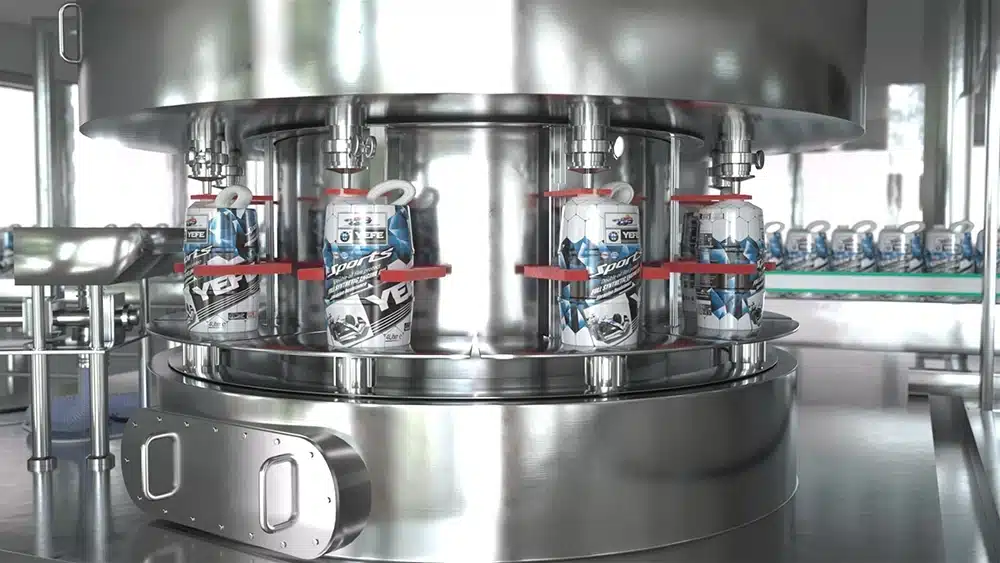
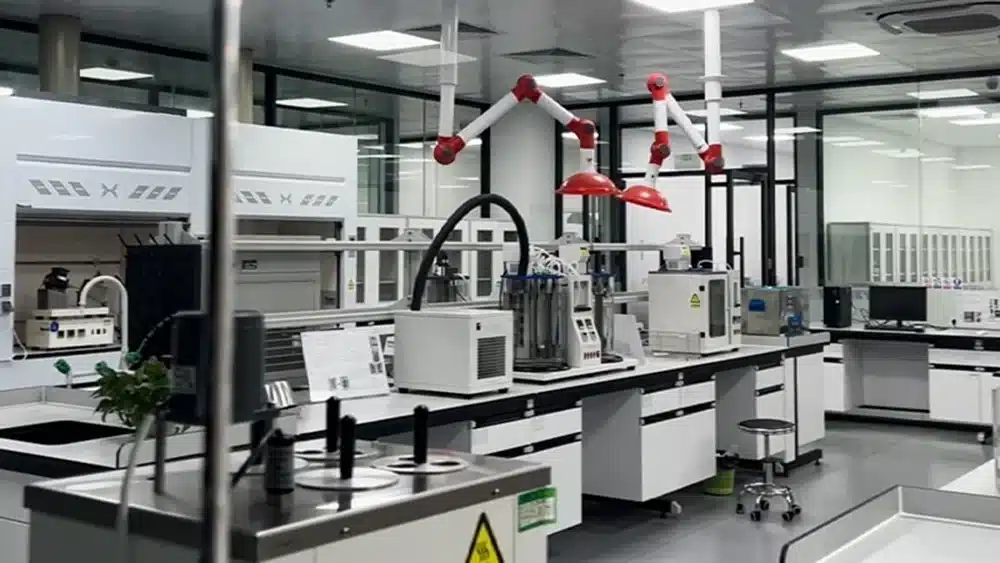
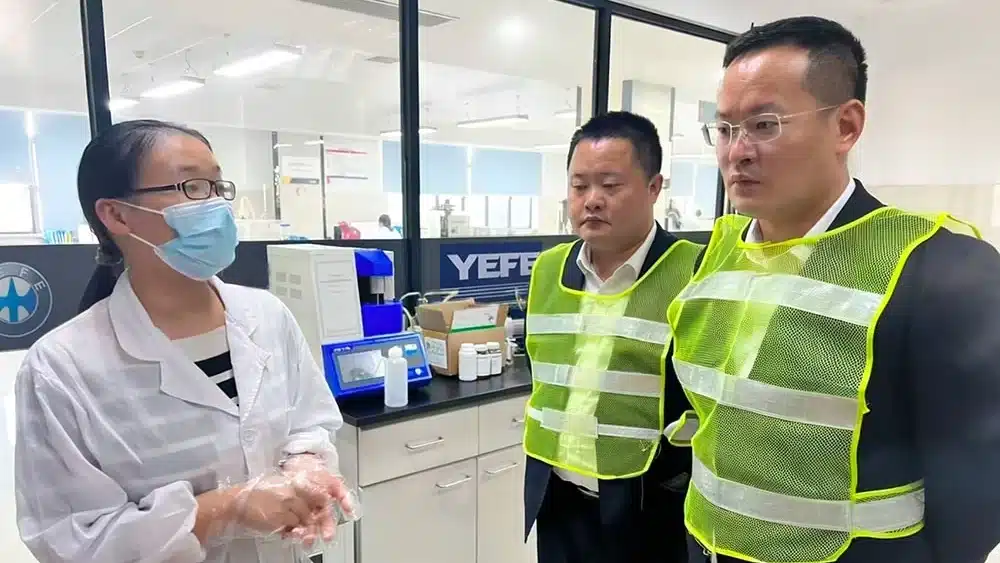
YEFE designs customized synthetic greases containing the base oil, thickeners and additives required for EV bearings and motors. We offer application engineering assistance, exchange application test data and develop specific application formulations. We have automated production, complete traceability for OEM and Aftermarket use.
Building Long-Term EV Lubrication Partnerships
EV technology continues to advance with increased speed, integrated e-axles and new materials. When you work with a manufacturer who responds, your lubrication strategy follows suit, from conception to field testing in various climates and duty cycles.
These technical details are crucial for choosing the appropriate grease for EV bearings and motors. Using synthetic formulations that utilize the correct base oils, thickeners, and superior performance in high speed, low noise applications, you can get the durability, efficiency and quiet operation required by today’s EVs. YEFE is ready to help you with your EV projects and offers you the expert guidance and high-performance lubricants.